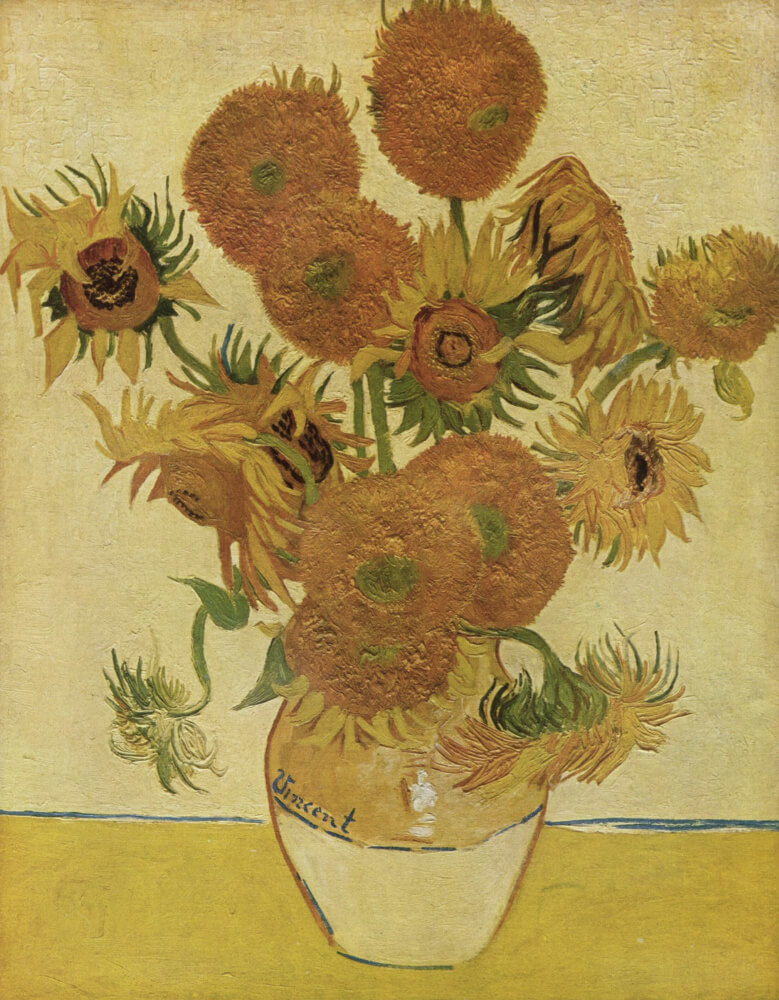
Sunflowers (Vase with Fifteen Sunflowers), 1888
Warm, glowing shades of yellow like Gold Ochre were a definitive feature of Vincent van Gogh’s art. He developed a love for yellow particularly after moving to Arles in February 1888, where he became dazzled by the ambient sunlight, and obsessed with how to infuse its temperate qualities in his art. He painted with golden yellows in many of his most celebrated paintings during this time, exploring how they could convey the heat of the French sun cascading across indoor scenes, baked onto dry exterior walls, or glinting on glossy strands of autumnal wheat. In a letter to his brother Theo, he wrote, “Sunshine, a light which, for want of a better word I can only call yellow — pale sulphur yellow, pale lemon, gold. How beautiful yellow is!”
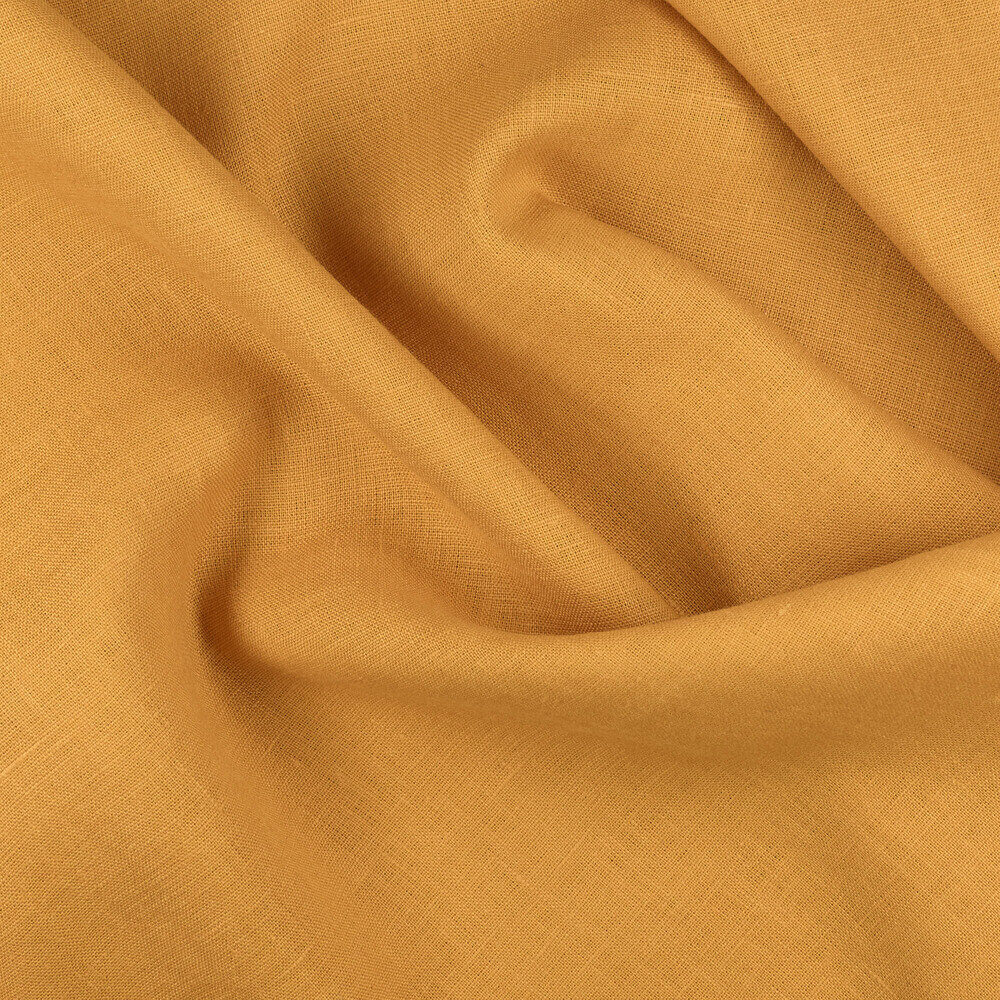
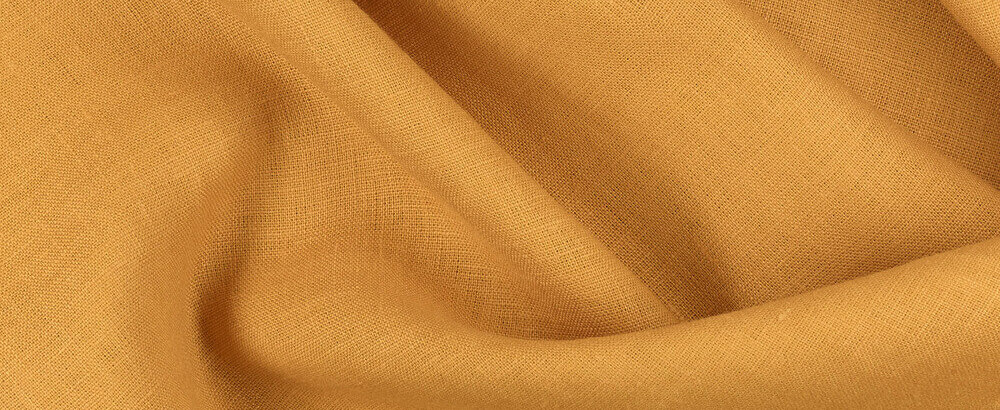
IL019 All-purpose Gold Ochre FS Signature Finish Linen
Van Gogh spent the early part of his career travelling throughout Europe and taking up various itinerant jobs, but by the time he had settled in Arles, he was dedicating all his time to making art. Dazzled by the bright light and vivid colours of Provence, Van Gogh entered the most prolific period of his career yet, making more than 200 paintings and 100 drawings with a frenzied, restless energy captured in each and every one of these artworks. He remained here for around 15 months, and was eventually joined by his friend, fellow Post-Impressionist painter Paul Gauguin. Van Gogh told his brother in a letter, “I am painting with the gusto of a Marseillais eating bouillabaisse.”
In May 1888 Van Gogh moved into the famed Yellow House, where he lived and set up a studio to paint from. The Yellow House, 1888, one of the artist’s best-known paintings, depicts the place he came to call home for the most definitive year of his life. Painted with an array of intermingling yellow shades against a blazing blue sky, the artist explores how these comforting hues could convey both the heat of Provence in the afternoon, and the affection he came to have for the place which played such a pivotal role in his artistic development. Van Gogh wrote to his brother of this beloved abode: “It’s painted yellow outside, whitewashed inside — in the full sunshine.”

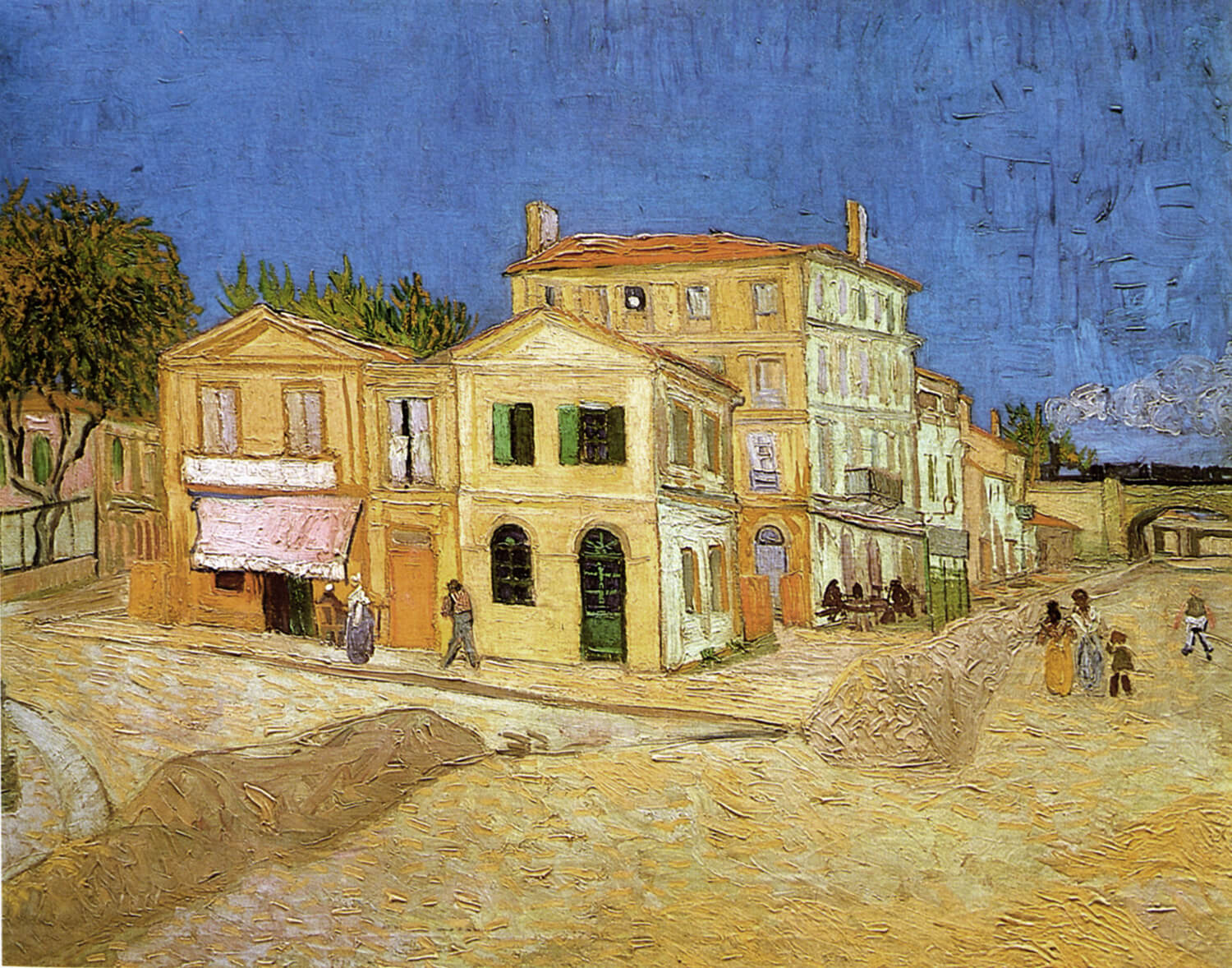
The Yellow House, 1888
Sunflowers (Vase with Fifteen Sunflowers), 1888 was painted in the same year, a tribute to the sunflowers he would paint over and over, paying tribute to their glowing, golden radiance, and seemingly endless qualities of optimism. The artist asked his brother to send him at least 66 tubes of yellow paint from Paris to aid his paintings during this time, meaning each one of his Arles artworks would most likely have contained a significant amount of yellow. “How wonderful yellow is”, he wrote to his brother. “It stands for the sun.” In this painting Van Gogh conveys the sunflowers blending in harmoniously with the surrounding space, depicting the whole scene in a wide array of yellow hues. In doing so, this interior view seems basked in the hot, dry sun of Arles, showcasing the “high yellow note”, that Van Gogh became restlessly obsessed by.
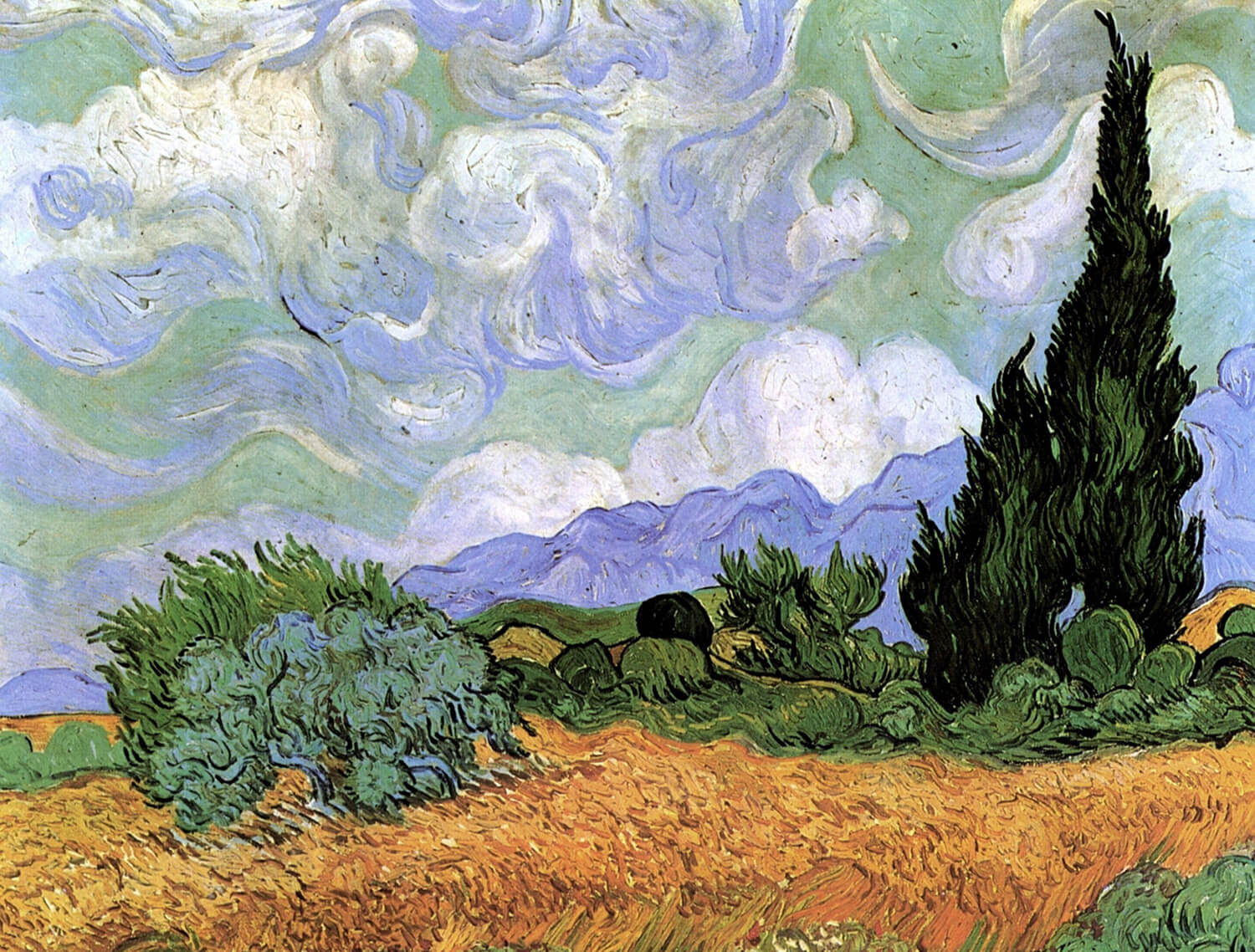
Wheat Field with Cypresses, 1889
Painted just a year later, Van Gogh’s famous Wheat Field with Cypresses, 1889, one of the artist’s many wheat field paintings, captures the dry, autumnal wheat turning this way and that in the breeze, made all the more golden against contrasting shades of green and blue that swirl with ardent tempestuousness, suggesting the seasonal shift from summer to autumn. The painting exemplifies Van Gogh’s enduring fascination with golden shades of yellow, and the way such colours could infuse an entire scene with rich, comforting, and ambient light.