
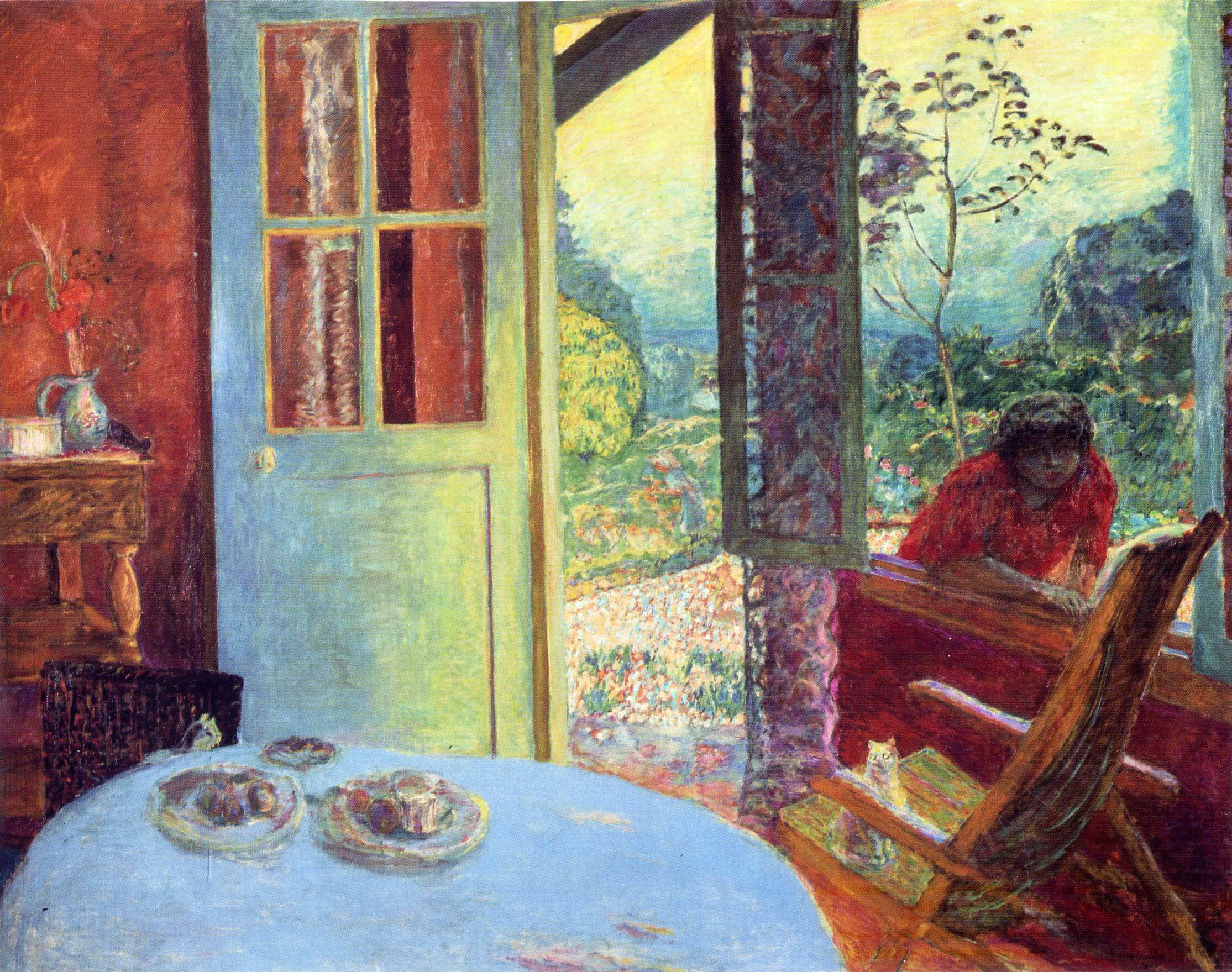
The Dining Room in the Country, 1913
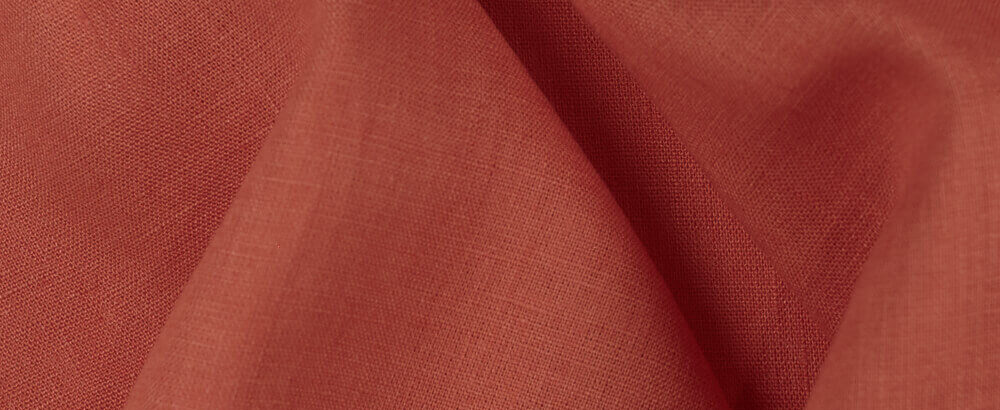
Throughout his long and prolific career, French Post-Impressionist, Nabis painter Pierre Bonnard brought rich, red browns like Burnt Sienna Linen into his art, exploring the ways the colour could carry the warmth of the French sunlight into interior spaces. He drenched shadowy walls with this deep colour, or speckled it across patterned fabrics and ripening fruit, enhancing the intense, ember-like heat of summer-soaked spaces, which often spilled out through open doors or windows into lush, cool gardens beyond. Each of these paintings became in essence a miniature, imaginary, and emotive place, as he explained in his notes, “the artist… creates an eclosed world… the picture… which, like a book, has the same interest no matter where it happens to be.”
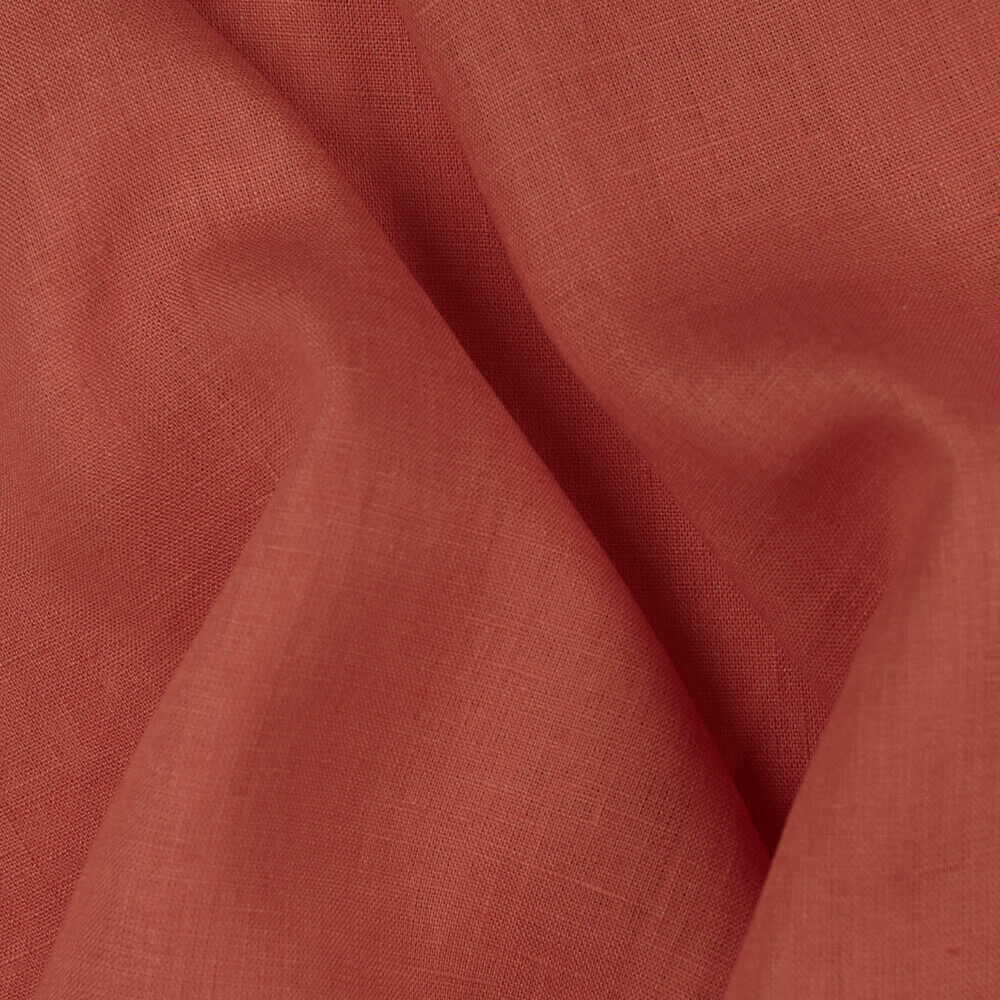
FS Burnt Sienna Midweight Linen
Bonnard’s obsession with the quiet intimacy and mysterious magic of domestic interiors began early in his career, as a member of the Nabi Brotherhood during the 1880s in Paris alongside Edouard Vuillard, Paul Serusier, Maurice Denis and Theodore Roussel. Together, these painters developed an enduring preoccupation with elevating everyday scenes through raw, expressive brush marks and potent, exaggerated colours. In the years that followed, Bonnard’s enduring fascination with the subject remained, and his paintings became increasingly more playful, ephemeral, and infused with warm, golden light.
In 1912, Bonnard purchased a house in Vernonnet, a small town on the Seine, called Ma Roulotte (My Caravan), and while living here he made many of his most celebrated paintings. This includes The Dining Room in the Country, 1913, which depicts the artist’s two cats, and his wife, Marthe de Melingy, sharing a moment of peaceful respite on a warm and sunny day. Indoor and outdoor spaces are united by the open door, and he contrasts the comforting, inviting interior with the crisp and fresh outdoors by depicting indoors in hot, shades of sienna, crimson, and brown, which seem to glow like the dwindling embers of a fire, while outdoor light cuts through it like shards of ice, spilling pale blue and green light across the tabletop and door.

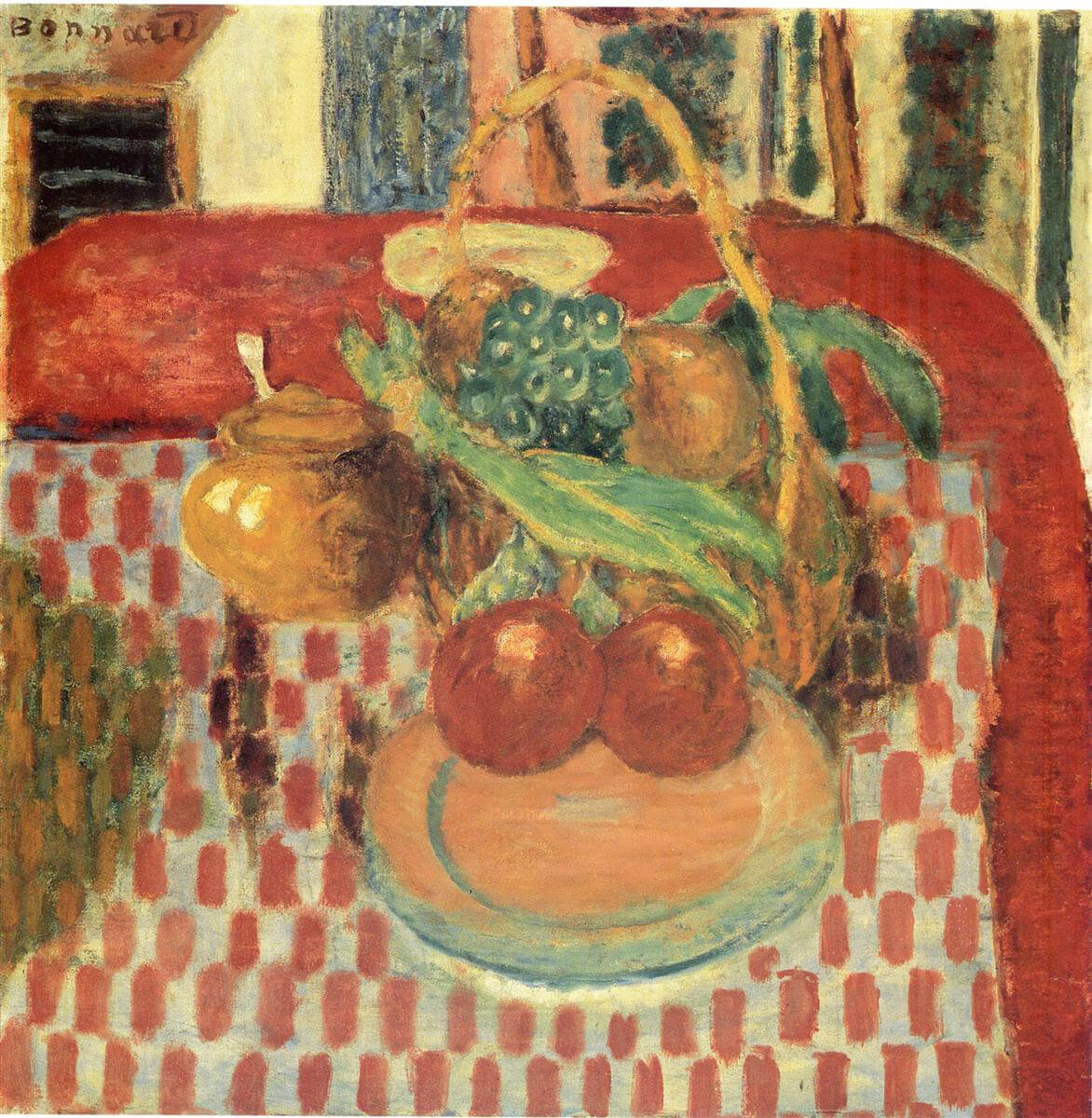
Basket and Plate of Fruit on a Red Checkered Tablecloth, 1939
Made just four years later, Bonnard’s painting Interior with Flowers, 1919 shows another peaceful domestic scene, brought alive through frenzied brush marks and emboldened passages of vibrant colour. We see in this work how his art became increasingly experimental and abstract as his career matured, with scattered showers of brush strokes that seem to dissolve real objects into dispersed passages of immaterial light. Flowers splay out across much of the scene, painted in a frenzied flurry of crisp greens, purples and pinks. Behind them, vertical bands of russet brown break apart their cool hues, conveying the inviting warmth of the room behind them with the subtlest of means.
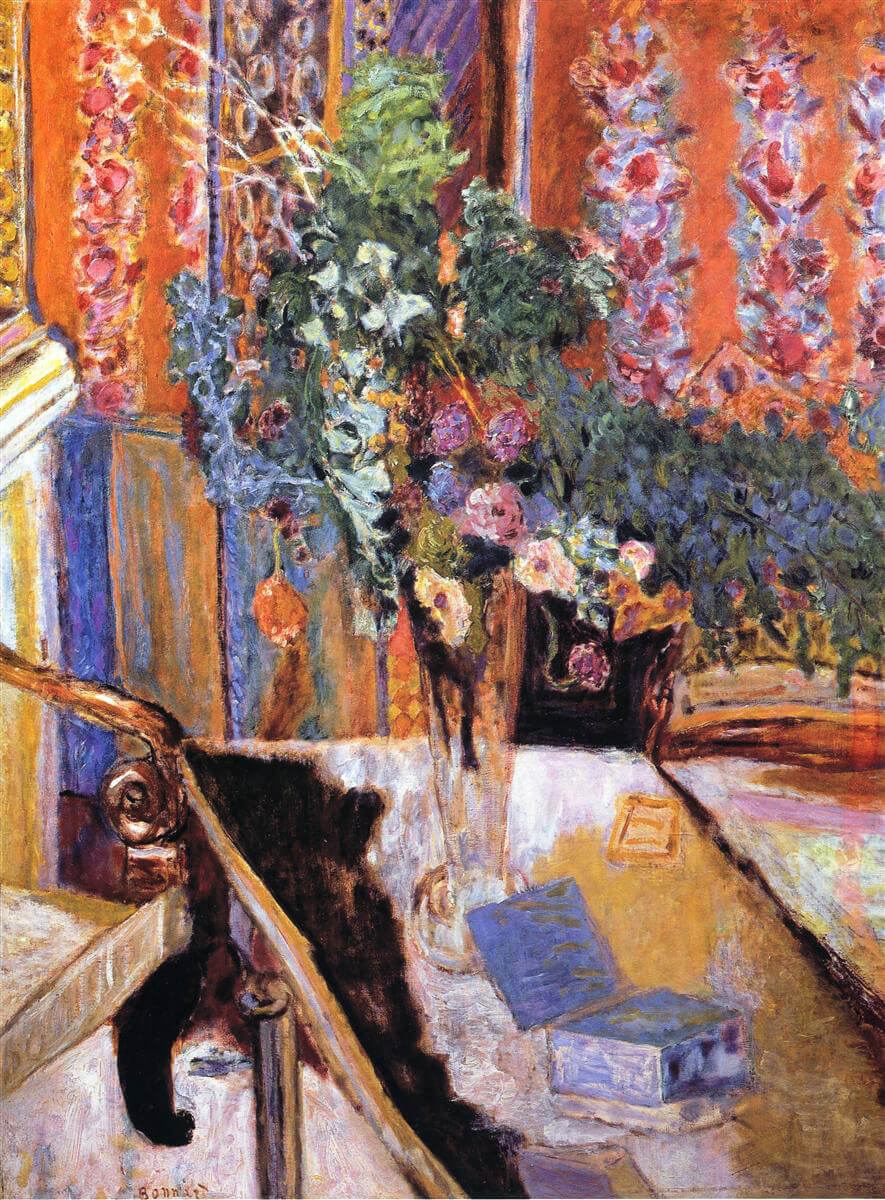
Interior with Flowers, 1919
In many of his later interiors Bonnard toyed with flattened perspective, and tilted up tabletops scattered with miscellaneous objects were an ideal way for him to experiment with abstracted space. Basket and Plate of Fruit on a Red Checkered Tablecloth, 1939, is one such work, depicting the intimate arrangement of fruit on his familiar and often painted checkered tablecloth. The deep red brown of the tablecloth pattern is mirrored in the two glossy pieces of fruit that seem to glisten softly with a quiet, mysterious sheen, and this red shade is complemented by glowing accents of golden yellow ochre. Crisp shades of apple green cut through the warm reds and yellows with a leafy freshness that seems to convey the lush vitality of the outdoors, capturing the same indoor, outdoor contrast that defined so much of Bonnard’s work.




1 Comment
I love these stories of the artists and their use of color as inspiration. Gives context to the fabric palette. Thank you