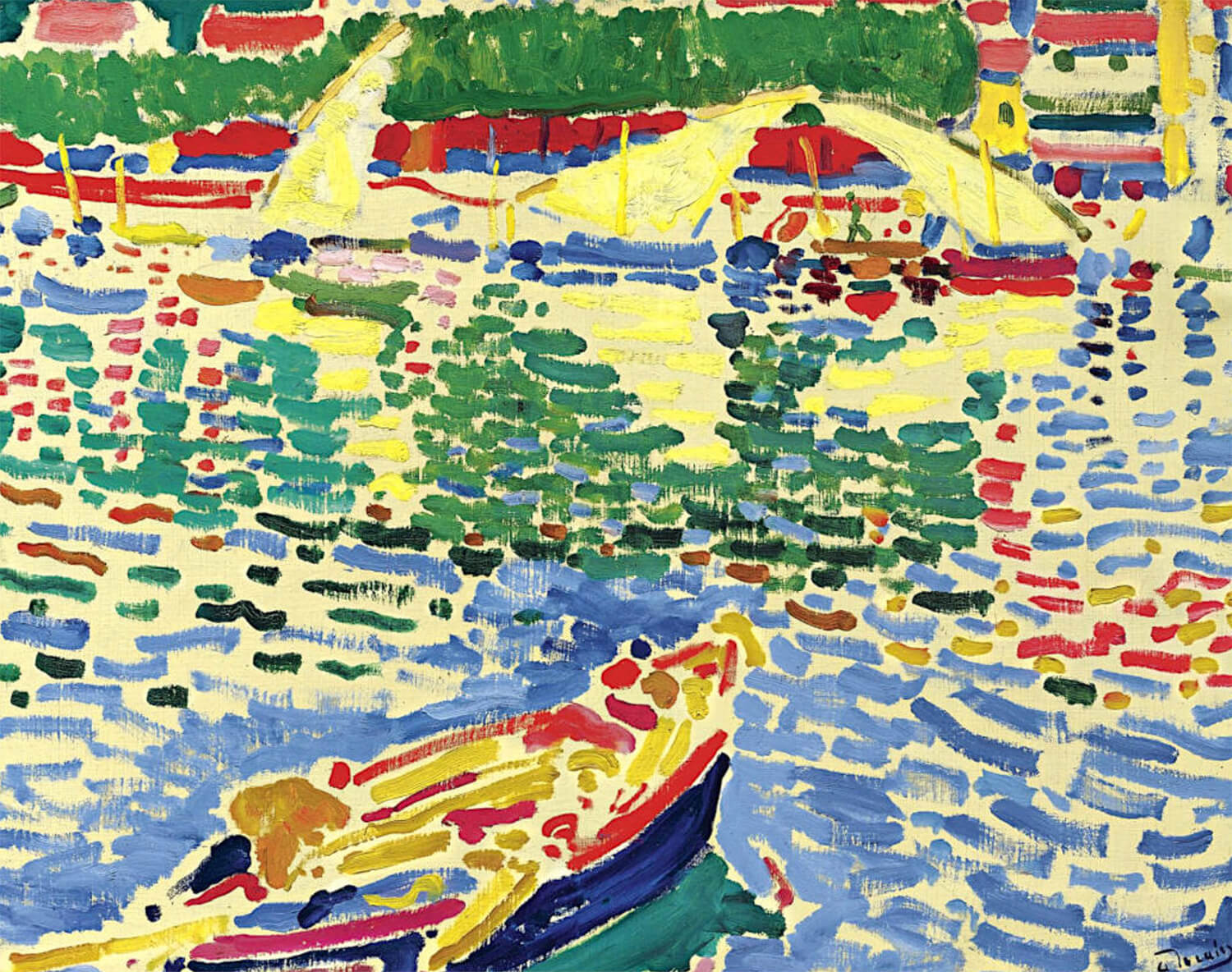
Barques au port de Collioure, 1905
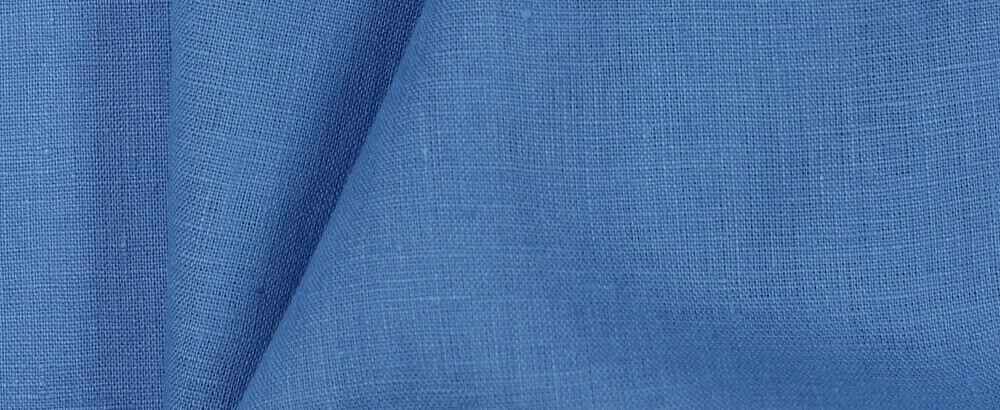
Situated on the French Mediterranean coast, the calm and quiet village of Collioure was an artists’ mecca during the late 19th and early 20th century, attracting creatives with its unpretentious, rustic charm, and offering an escape from the bustling metropolis of Paris. The place had particularly special significance for French Fauvist painter André Derain, for it was where he and his close friend Henri Matisse embarked on a creative journey together to explore a new and unparallelled language of wild expressionism. When they exhibited the work they made at Collioure at the Salon d’Automne in Paris, French art critic Louis Vauxcelles dubbed them the ‘Fauve’, or the ‘Wild Beasts’. Derain painted the Collioure sea and mountains with daring, dramatic shades of blue like Marina Linen, which seemed to encapsulate the fresh and crisp vitality of summer in this unspoilt coastal town.
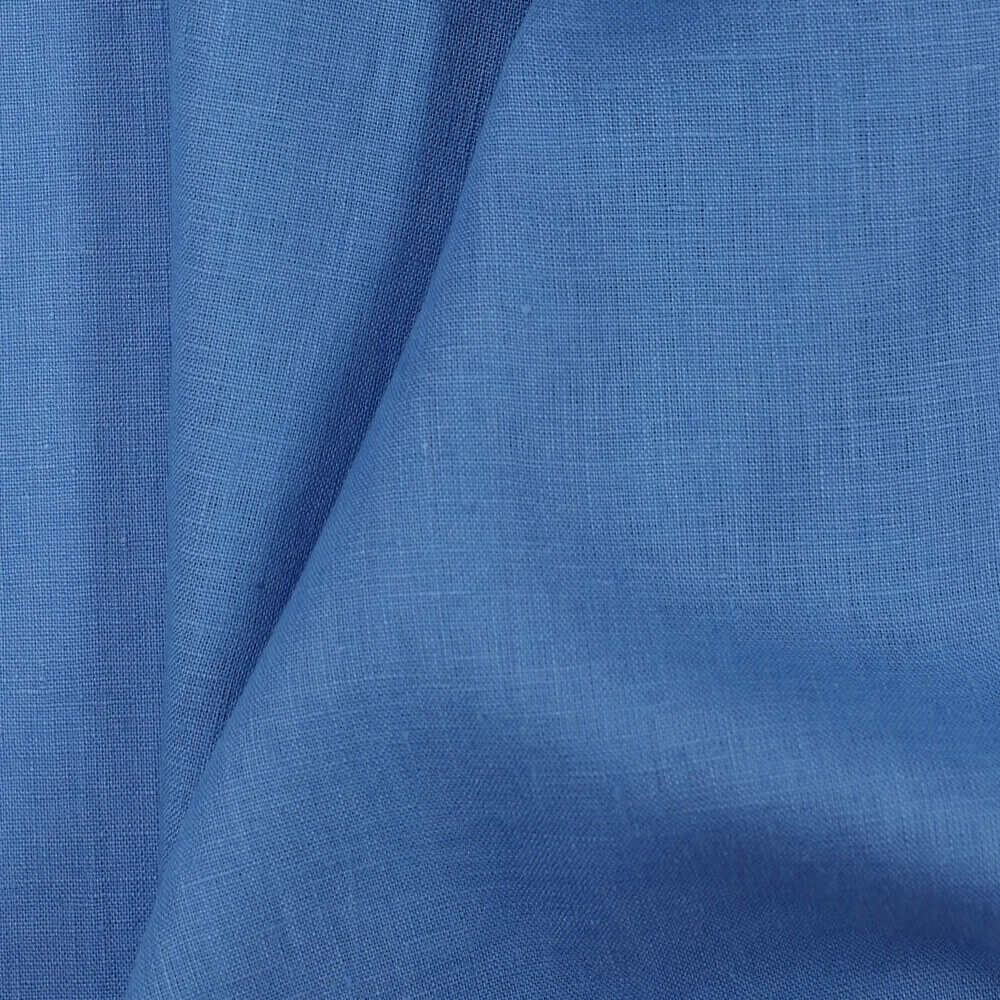
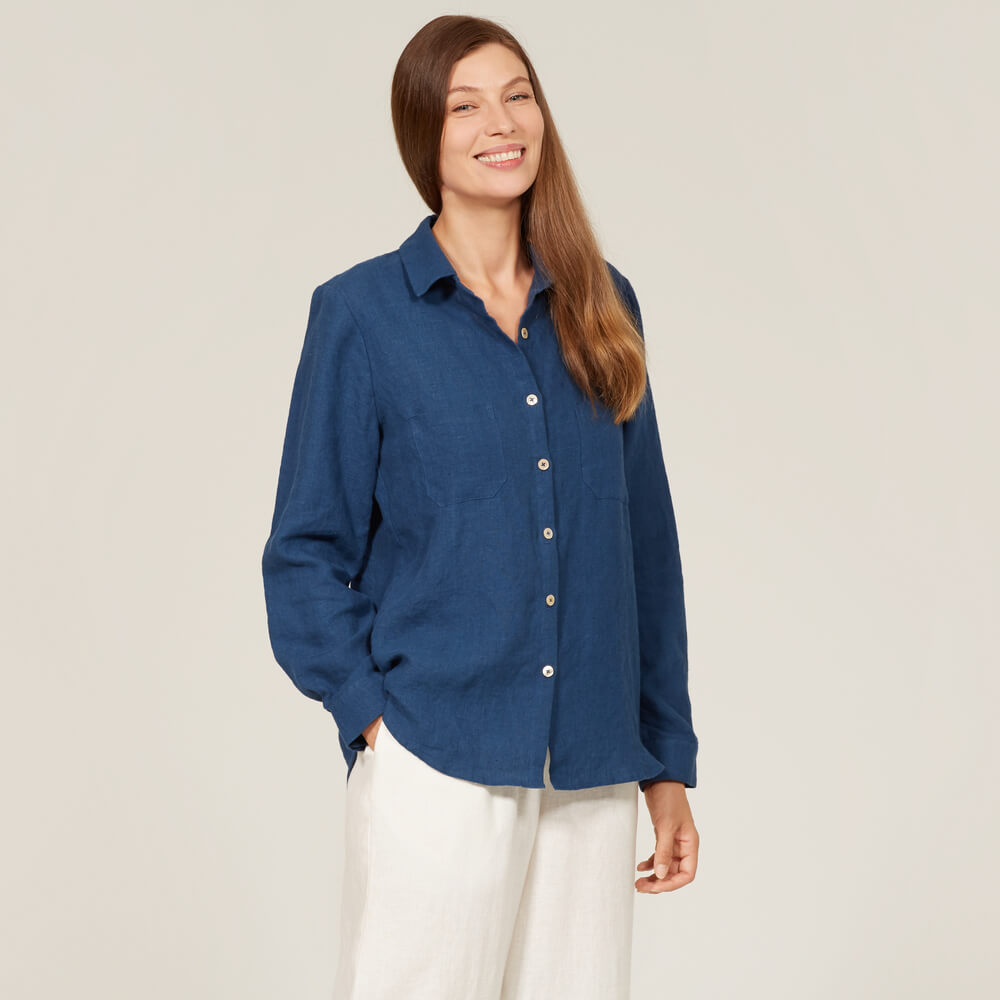
FS Marina Signature Finish Linen
Derain joined Matisse in Collioure during the summer of 1905, and together, the two artists went on exploratory trips around the French village looking for the ideal places to stop and make paintings on location. As the work they produced reveals, they painted scenes throughout the village, including mountain scenes, coastal views, and studies of the local fishermen. Spurred on by encouragement from one another, they expanded into new territory, painting with wild, expressive colours, and swift daubs of thick paint, heightening the sensory experiences they felt while being out in nature. Derain, in particular, wrote in his notebooks of Collioure’s ‘blonde’ light, with “… a golden hue that suppresses the shadows”.
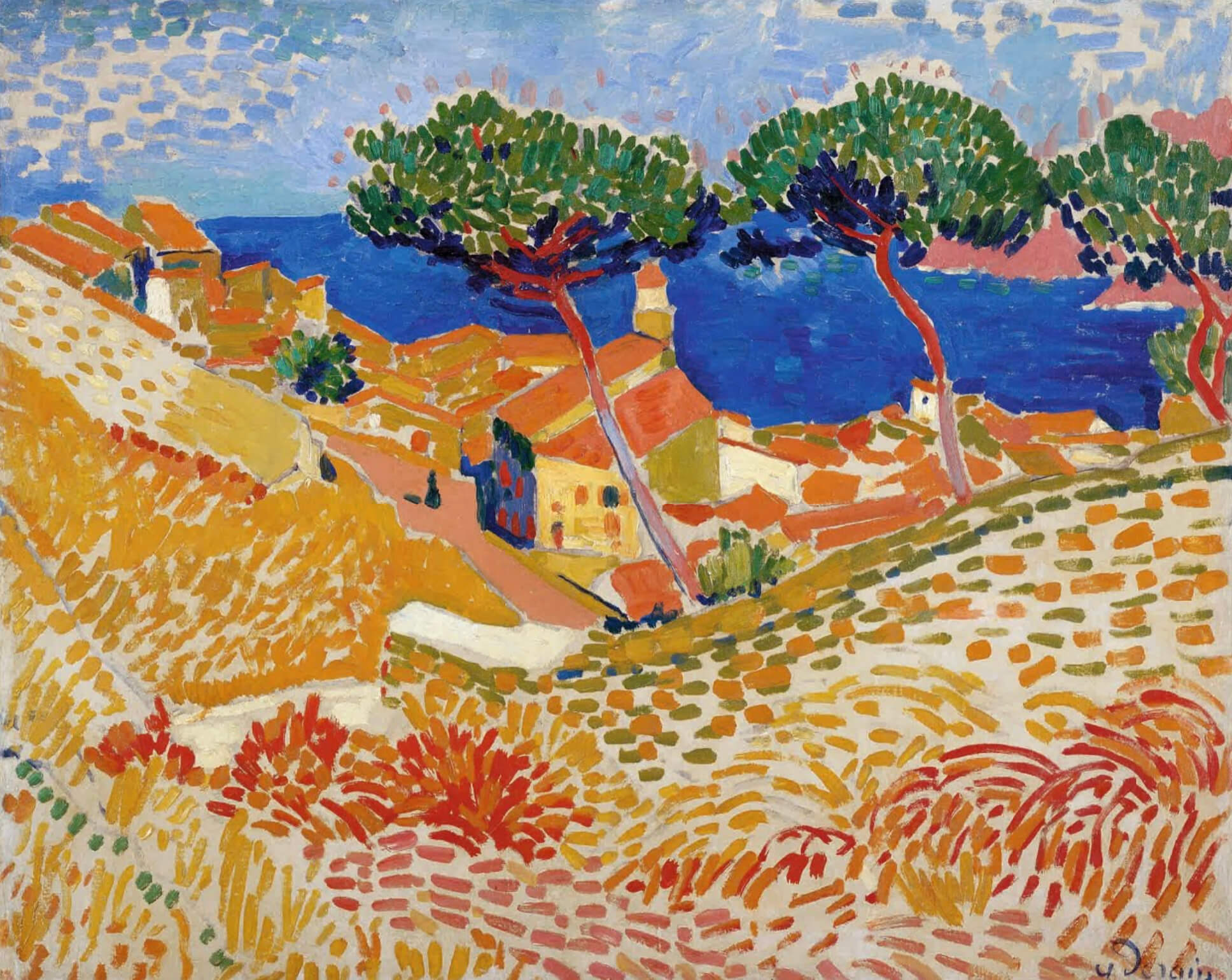
Vue de Collioure (View of Collioure), 1905
Moving beyond direct representations of the visual world, Derain’s colours became increasingly exaggerated and electrifyingly bright. He summed this up in one of his many sketchbooks: “Art is not what you see, but what you make others see.” In Collioure, 1905, Derain shows the view out to sea from a high vantage point, contrasting the intense heat of bright orange rooftops and hillsides with the startlingly vivid blue water, painting its rippling surface with a series of rapid, expressive brush marks to convey the sensations of energy and movement, and continuing the colour into a faraway hillside beyond.
Made during the same summer holiday, Mountains at Collioure, 1905, has a fresher, lighter colour palette, with varying densities of paint application. In this work Derain flattens out the picture plane into a pattern-like design, creating feathered marks that fan out across the mid and foreground of the painting to form the suggestions of textured grass and gnarling trees, while the background mountains and sky are smoother, painted as a series of flowing and meandering cut-out shapes. The same wild blue we see in so many of his Collioure paintings is scattered throughout the tree branches to suggest areas of shade, and it continues into the background, where distant mountains seem to hold within them watery pools of shadow. Derain observed through making these vividly hues paintings, “Colour is an instrument that allows us to abstract from nature; the more we use it, the more abstract our art becomes.”
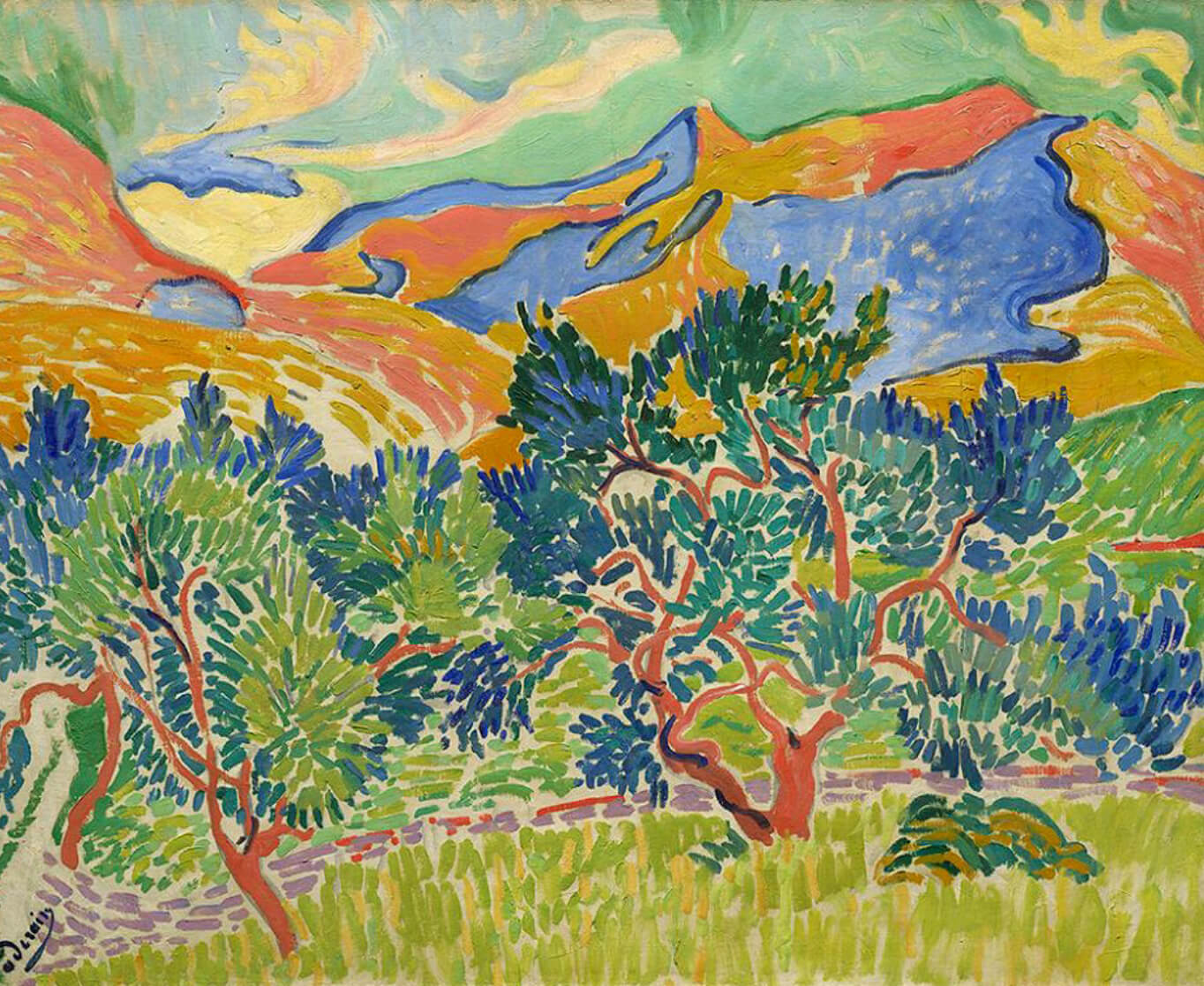
Mountains at Collioure, 1905
Collioure: The Fishing Port, 1905 is brighter still, showing Derain’s free, untrammelled experimentation with the ways pure, unmixed colours placed side-by-side could create startling and jarring optical effects. The brightest, eye-popping shade of yellow spans out across the harbour walkways, carrying within it the searing heat of the French sunshine, with no need for a sky to be painted in at all. Meanwhile the oceanic water is a sharp contrast, painted in a series of blazing shades of electric blue that seem to ripple in and out of the light, suggesting the ever-shifting passage of time.



1 Comment
Your blog is a testament to your dedication to your craft. Your commitment to excellence is evident in every aspect of your writing. Thank you for being such a positive influence in the online community.