With a distinctively graphic, colourful style, Colombian artist Beatriz González (1932-2026) made art as a powerful commentary on the political and social turmoil of Colombia. Much of her art was made in response to the violence that defined her childhood during the 10-year period known as La Violencia (1948–58), and the ongoing struggles that plagued her native Colombia. Her hugely varied practice spanned decades, and stretched across painting, drawing, installation and sculpture. She often incorporated fabric, textiles, and furniture into her oeuvre, transforming familiar household items into stirring and atmospheric works of art to explore its socio-political ramifications. She said, “Representing violence is complex. I do it as a way to preserve memory.”
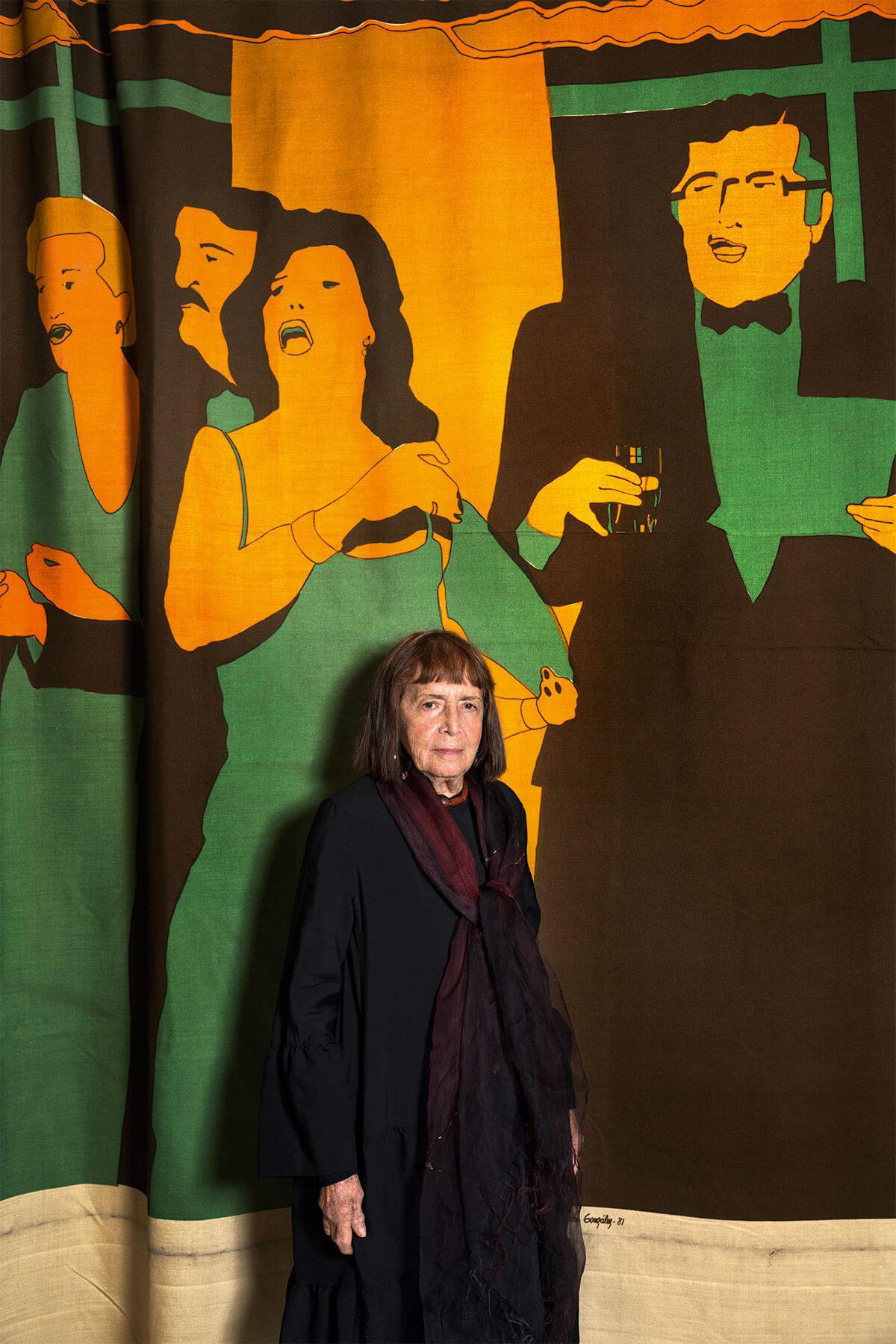
González was born in 1938 in Bucaramanga, Colombia. Despite showing an early aptitude for art, she initially set out to be an architect. “My family, teachers and classmates in primary school saw talent in me,” she said, “… however, when choosing a profession, I didn’t initially think of art but rather architecture, maths or photography.” She studied art at the University of Los Andes in Bogotá, but still continued to question her choices. “Even when I started going to art school at Universidad de Los Andes in Bogotá, I thought of switching to philosophy. In fact, in parallel to fine art, I also studied metaphysics for six semesters. It was only during my third year, when they gave me, alongside three other students, an atelier, that I felt the will to become an artist. It had to do with the competition.”
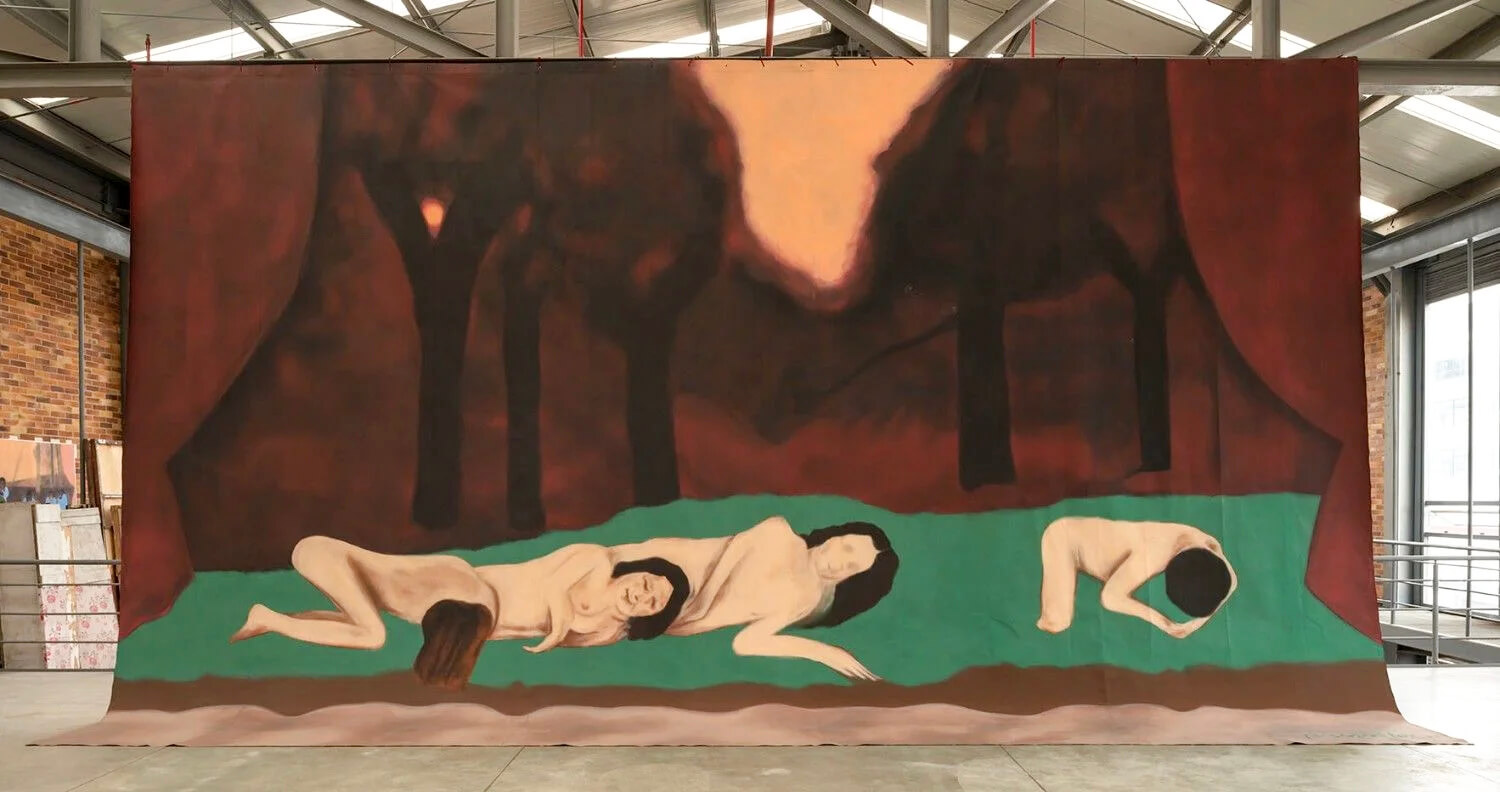
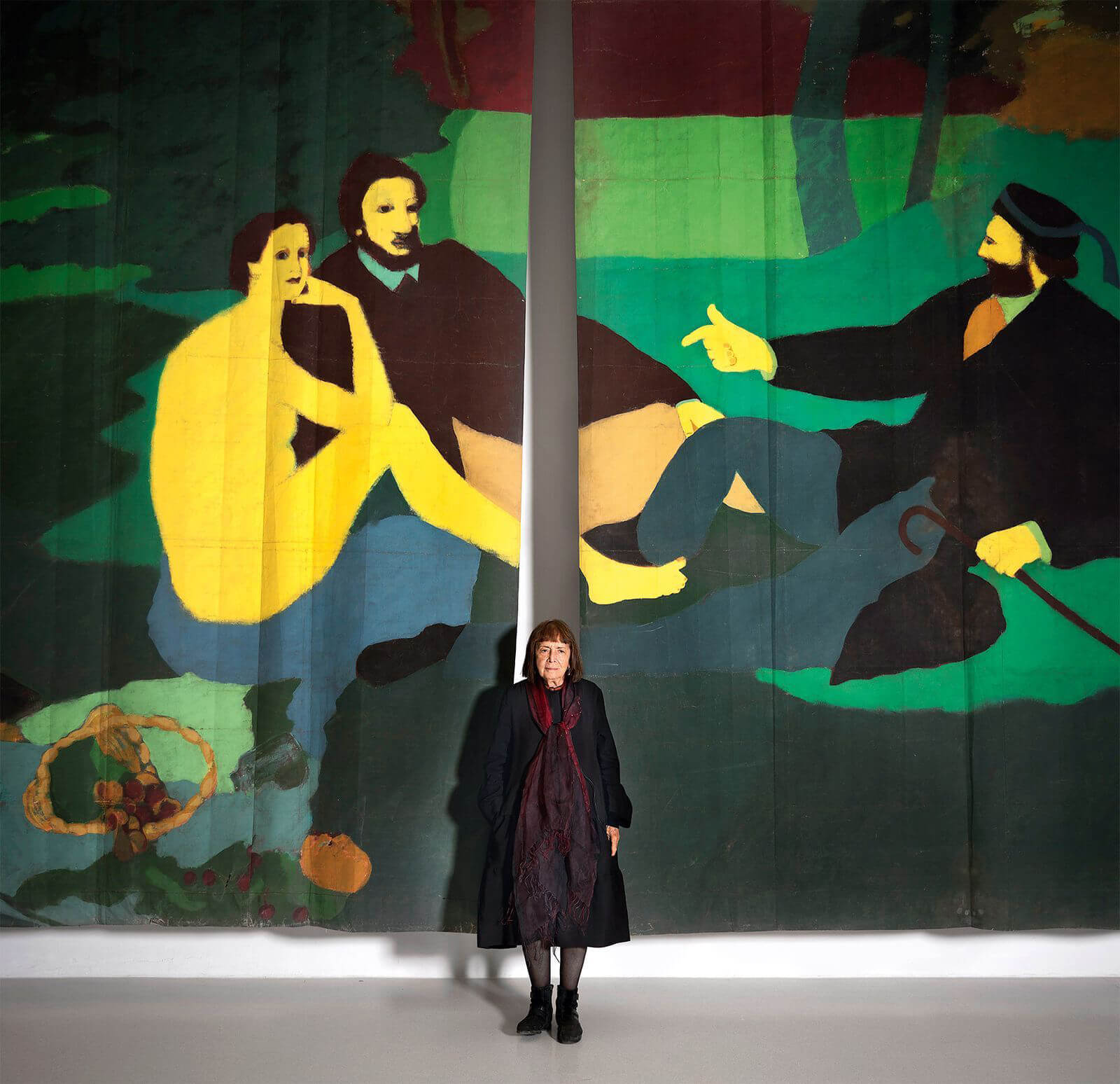
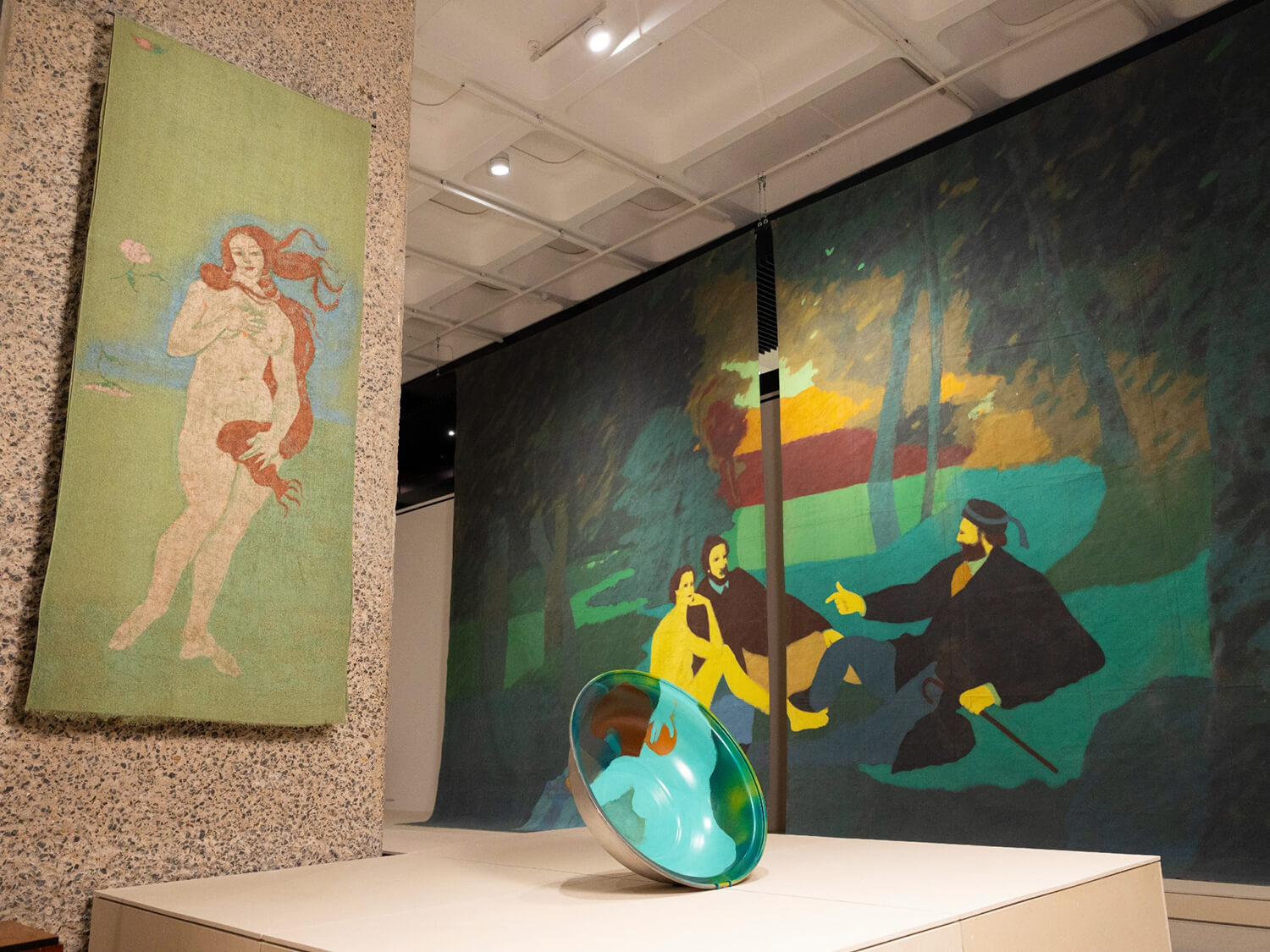
Influences on her early career were varied: “At the beginning of my career, Picasso and Degas. In college, it was my painting professor, Juan Antonio Roda, and Fernando Botero, who was just rising up in the early 1960s.” During the mid-1960s, González earned a reputation for creating flat, kitsch painted transcriptions of Old Master paintings (“representation of representations”) and art history icons, before moving on to paint imagery lifted from newspaper articles and magazine clippings related to the ethical and political turmoil of Colombian life. In her bold, graphic, colourful and tactile style, grand themes of tragedy, death, violence and grief come together with flashes of joy and humour, showcasing the varied complexities of contemporary Colombia, and creating what she called, “underdeveloped painting for underdeveloped countries.” While sometimes referred to as a Pop artist, her art was edgier, tinged with qualities of turmoil, dissent, unease, and pain.

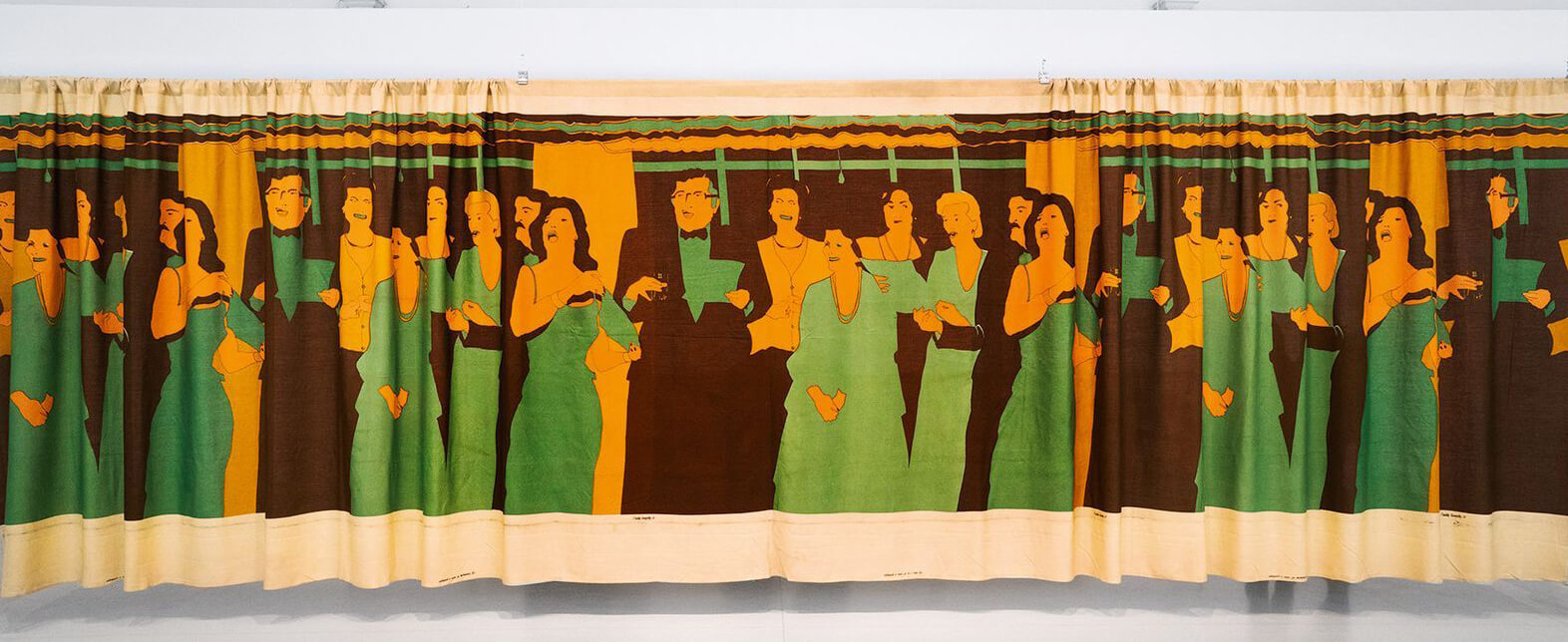
“The colour palette and the theme of the paintings were shocking and out of tune,” she said of her work. “I deliberately wanted them to be out of tune—these were the colours that I saw in shop windows, in re-interpretations of universal images that were made in the Third World.” These colourful depictions of celebrities, politicians, and people from all walks of life often spilled out onto furniture and fabric, whether painted onto cheap, found pieces of printed textiles, or produced as expansive, pleated curtains that bridge the gap between installation and painting. She even explored fabric’s egalitarian properties by selling off the curtained textile of Interior Decoration 1981, printed with a publicity photograph of President Julio Cesar Turbay Ayala, by the metre, to be cut in the gallery space, thereby breaking down the elitism of the art market and making her work accessible to a wider public.
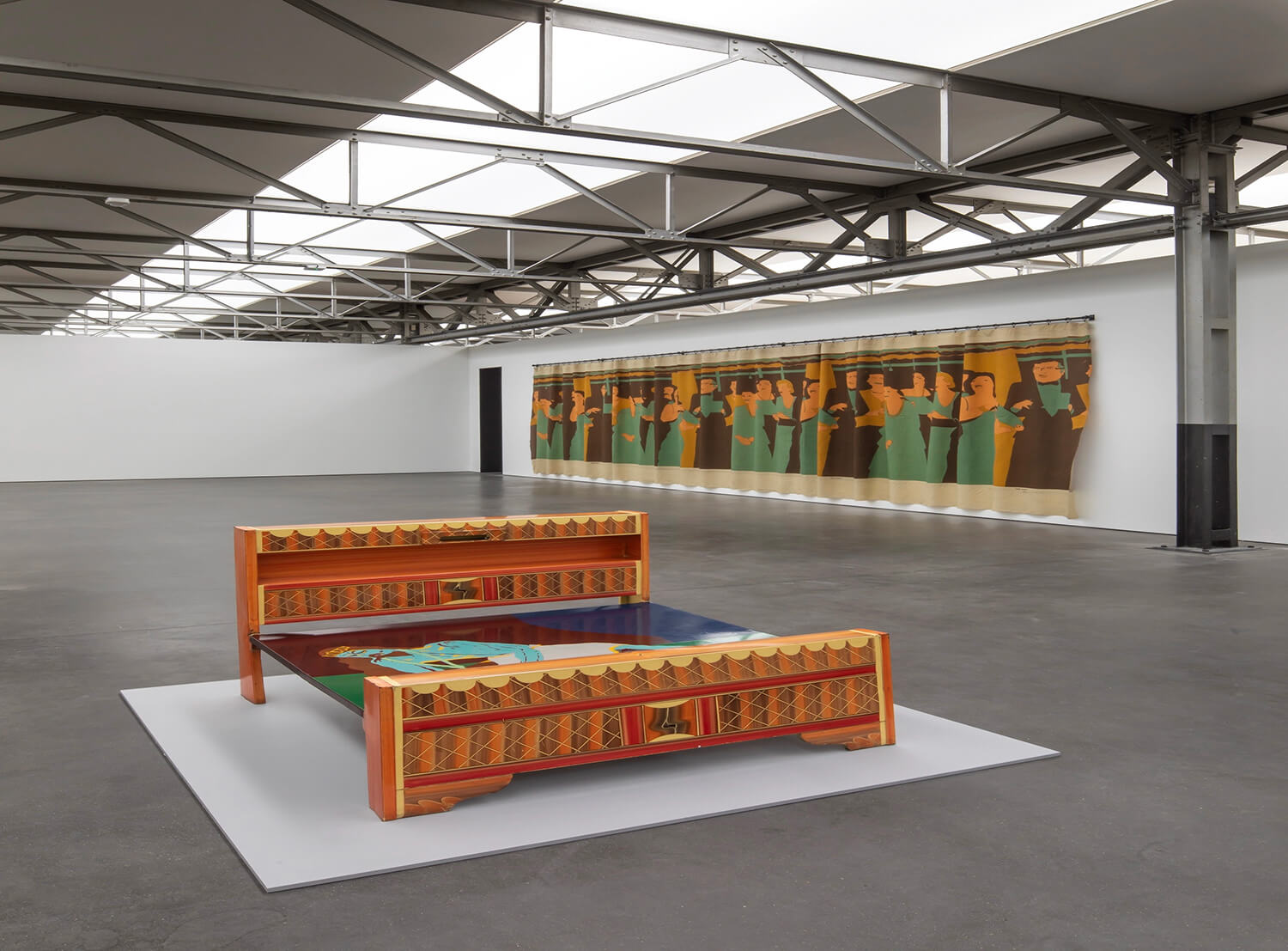
González also produced a series of bedspreads featuring depictions of violence in amongst floral patterns, showcasing how the brutality of Colombia’s sociopolitical turmoil has infiltrated the homes, and very fabric, of ordinary people’s everyday lives. Throughout her career, the complexity of her work reflected the troubling times within which she grew up and continued to live, providing a painful, yet significantly important message about the impact of violence on ordinary people’s lives. She said, simply, “Art says things that history cannot.”