
Behind the Scenes With: Solveig Knutsen of Indigo Indigo

Tell us a little about yourself and what Indigo Indigo means to you.
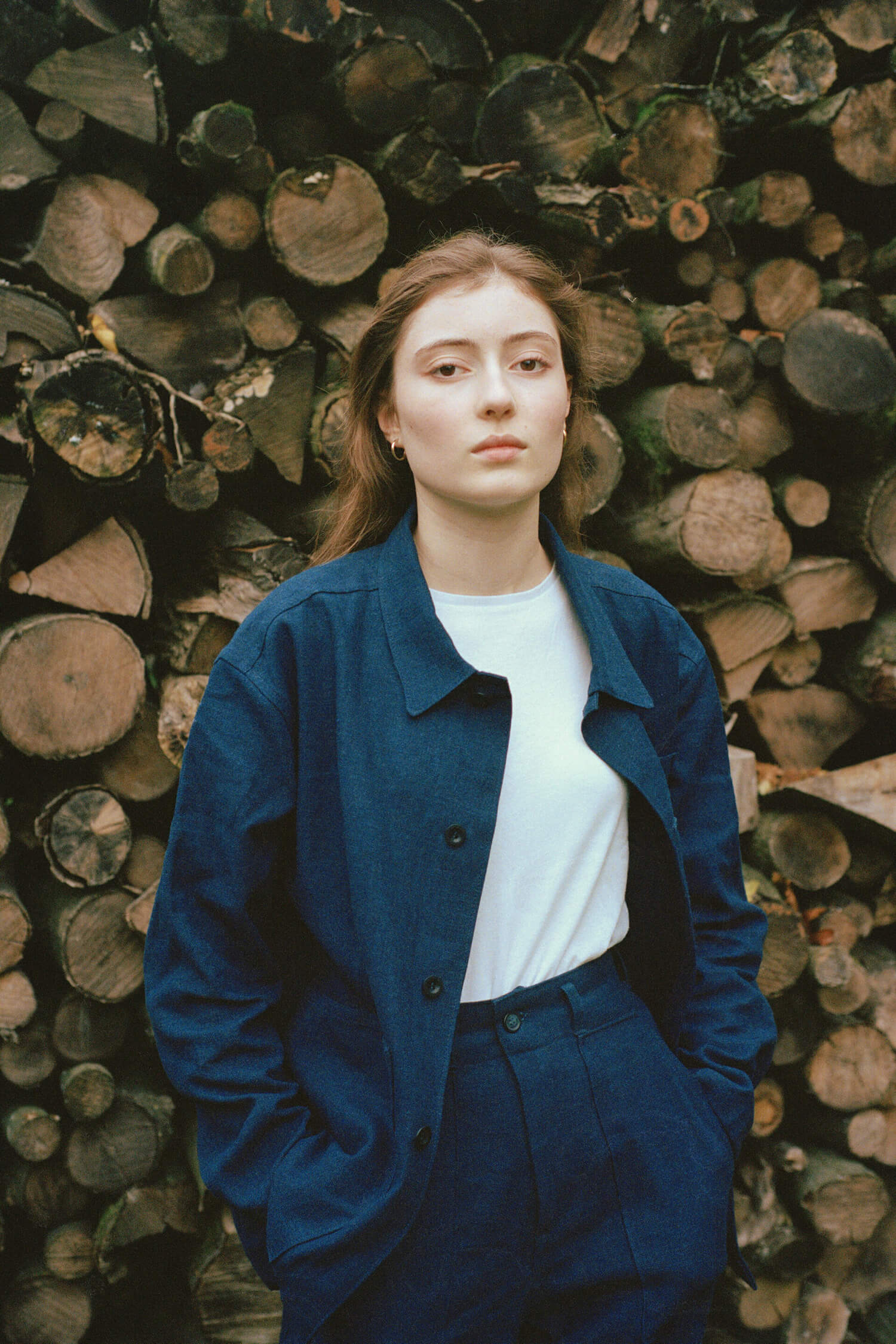
I’m a 35 year old fabric shop owner and designer living on the west coast of Norway, in a tiny town with mountains and fjords surrounding us. I’m a toddler mum, dog mum and wife of a fellow creative type designer. When starting Indigo Indigo three years ago, I had no ambition or expectation it would turn into my sole livelihood. It was supposed to be a small side gig selling a limited, curated selection of fabrics by the meter from my clothing brand Aoi sourcing. But we’ve grown together, and I’ve felt like I finally found the right path to my future life’s work with Indigo Indigo. Indigo Indigo makes it possible for me to be able to live off my own business while doing something I’m very passionate about!
What is the Aoi Project and how does it tie into your story?
Aoi Project was actually initiated as a brand identity project for me and my husband to work on while setting up our design studio, as in graphic design/web design studio. We wanted to make something in house to use in our portfolio, and it was never meant to turn into anything permanent. It started out as a home goods brand, with hand crafted soaps, candles, organic cotton tea towels and hand brew coffee filters. But I got carried away, Aoi got a life of it’s own as a clothing brand and the design studio is no more! When Aoi was first founded, I was still in school, studying Front end development, and had just inherited a sewing machine. I started sewing some of my own clothes and it just spurred on from there. I had been working in the fashion industry in Oslo the years leading up to my studies, as an agency photographer and as an assistant to one of the leading stylists and magazine editors in Norway. It was a huge learning experience for me, always being interested in fashion, to get to work hands on in that industry. I got to have a foot inside the door of Norwegian fashion brands, shoot some amazing projects and work backstage of fashion week and be a part of that whole circus. I ran Aoi for a few years during my bachelors degree in programming and through moving from Oslo to Stavanger and working in IT there. It was a great creative outlet for me. Unfortunately it stole my entire focus, and I decided to quit my job in 2021 to try doing it full time. Running a fashion label is not easy, especially doing it independently, from a small town and with no real name to back you. So I had the idea of selling some of my fabrics by the meter, to earn some money that would hopefully help support me while running my brand. And Indigo Indigo was born!
Norway has deep roots in hand crafts and self-sufficient sustainable living, is your vision as a company a product of your heritage or a response to the state of the fashion world today? Or perhaps both?
Definitely both! Growing up in Norway in the 90’s I had a lot of crafting around me – sewing, knitting, weaving, woodwork, baking and preserving etc. I was always in home made wool sweaters and rag socks, there was a lot of mountain hikes and berry picking, and for my confirmation my mum embroidered a traditional Bunad for me which I still wear on our constitution day every year. Crafting for me is both a part of my heritage, a creative outlet, and also a privilege. I’ve always been an environmentalist, joining the environmental youth party at 15, always trying to make the most sustainable choices throughout my life. Working in the fashion industry didn’t quite sit right with me. Making my own clothes felt natural, being able to choose my own materials from the start and make things more considered. When starting Aoi Project it was all about the fibre and origin, and everything was made to order, by me. It was a sort of resistance against the conventional fashion industry, a way of showing that things could be done differently.
Describe your normal working day.
Well, I’m a woman of many hats. Most days have a structure of sorts, but are very different depending on what I’m working on. At the moment it usually goes down like this;? After seeing my toddler off to daycare, I start my working day at around 7.30 in me and my husbands shared home office space. I answer emails and do any admin and accounting. I usually spend some time looking at fabric or working on a pattern. Then we have lunch at 10.30, which I would probably consistently skip if it wasn’t for my husbands love of rutines. After lunch I usually go up to my sewing studio if I haven’t already. I’ve usually got a project or pattern I’m working on, so there will most likely be some sewing involved. And by 14.00 I’m realising I’ve got orders to pack before it’s time to pick up our daughter. After packing orders and picker her up, we do a post run together at 15.30, she’s currently enjoying carrying the small packages to the till for me which is adorable. And when her bedtime rolls around I often weave in an extra hour of work, either some pattern work or show a sign of life over on Instagram.
How does it feel to be doing what you love?
It’s a true privilege! I’ve been hustling a business my whole „adult“ life, starting as a freelance photographer straight out of high school. I know what it’s like to try your best and not succeed, admit defeat, pick yourself up and try again. And while I’m not sure when you can truly say you’ve succeeded, for me it’s down to making a living, not having to worry too much about making ends meet and seeing there is a future in what you’re doing. Even though there’s always a lot of worry, being able to get up in the morning and work in my own creative universe is worth all the worry for me. It’s the freedom and it’s the passion it’s all about.
What are the hardest aspects of owning your own business?
Worry. And time-management. As mentioned, running an independent business means a lot of worry, a lot of daily stress factors, and a huge amount of responsibility. The hardest is when you feel alone with all of that. The feeling that everything is on you, and if you don’t put in the effort, no-one else will for you. This is something I’m working on tackling in the new year, as I’ve been hunting for a partner in crime for a while! But finding co-workers means moving from a home studio to a rented space, and finding both a space and a person is proving difficult from a tiny mountain town. Fingers crossed both will appear next year!
What do you enjoy the most?
The variation I think, and of course the freedom! There are so many aspects to running this business, no week is the same. And I’m not a creature of habit, I thrive on change, evolving, new ideas and possibilities. Being in the creative bubble is my me-time, and being able to do that during a working day is amazing. The freedom of structuring your own days, choosing what project to work on next, and taking a half day to make room for exercise and being in nature, which I should do more often.
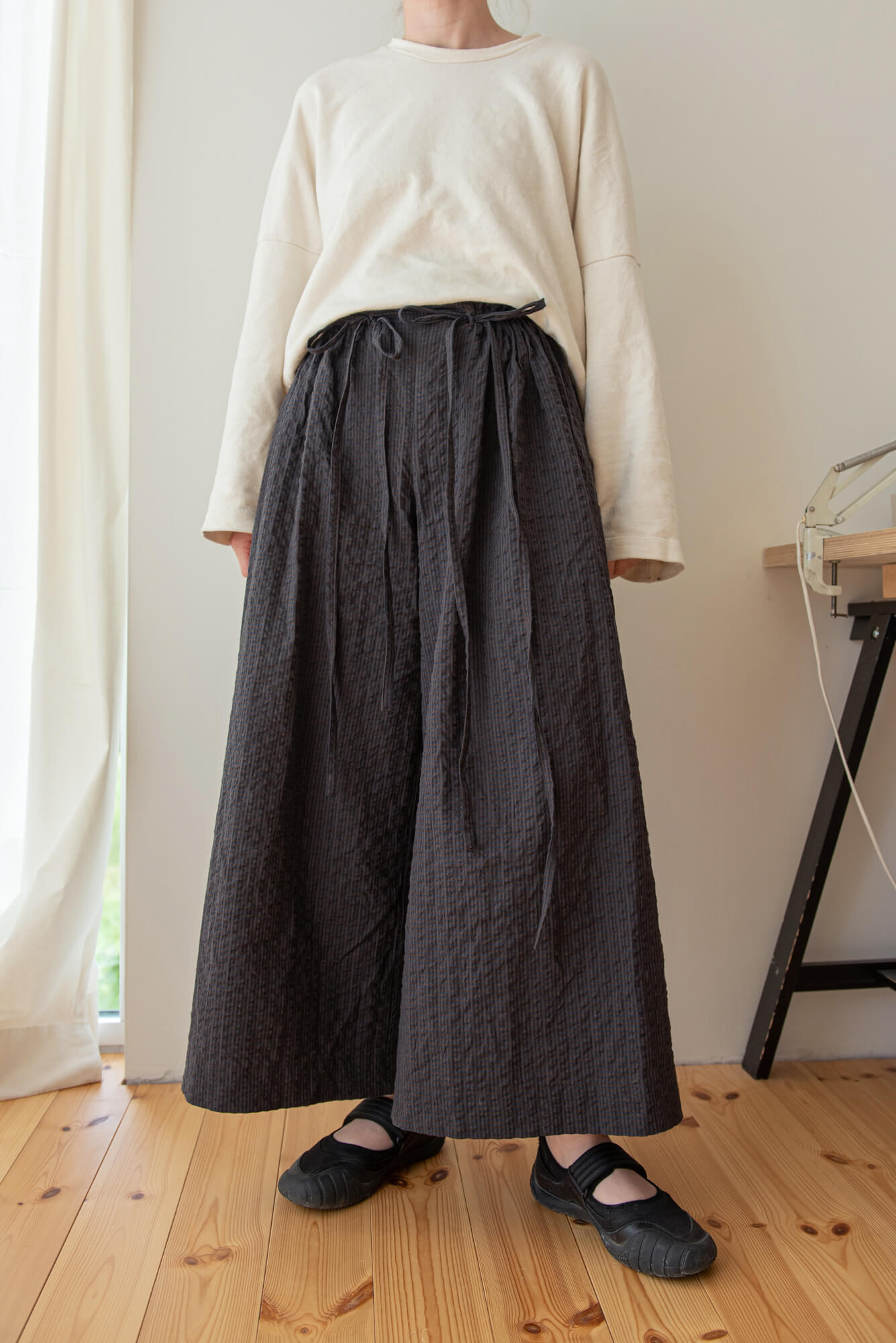
We love the Helios Trouser. Tell us about your process, from idea to pattern.
Thank you! The Helios Trouser was a design initiated back in 2018 when I started making garments for Aoi Project. I had started exploring possibilities of releasing a pair of trousers for my brand, but found size restrictions difficult. I wanted to make a pair of trousers that would fit different body types, sizes and genders. At first I drafted a pair of pleated trousers with a tapered, loose fit, with slider adjustments at the hips, very classical looking, yet very unconventional. With the waist being super adjustable and the pleats variable. The concept for Aoi was heavily inspired by Japan, and the garments would reflect this. The sliders got swapped out for a belt, and the „Hakama“ was born. I ran this trouser design through Aoi for a couple years before evolving into the Helios Trouser for a collection I made called Helios, with the Helios top, skirt and „Haori“ jacket. Helios was wide legged, with a double tie oppose to single belt and belt loops. I found these more unique and practical, with the same adjustable concept for the waist. Aoi got put on hold while I was on maternity leave, and when I was pregnant I wore the Helios Trousers A LOT! When getting back to work again I knew I wanted to release the Helios Trouser as a sewing pattern. I wanted them to be available for more people to make. A very beginner friendly and adaptable trouser. So for the sewing pattern I made the Helios Trouser a wide leg which was easily crop-able, and four different views for the waistline, the belted „Hakama“ version, the Helios tie version, and two elastic waist options. During maternity leave, we moved house to the rural area we live in now, and I got more into hiking, camping and all things trail – and this is where the Helios trouser evolved into the elastic toggle version, it just felt even more „me“ at the time.
Your fabrics are from a handful of countries, this feels curated with intent. How do you choose your fabric suppliers?
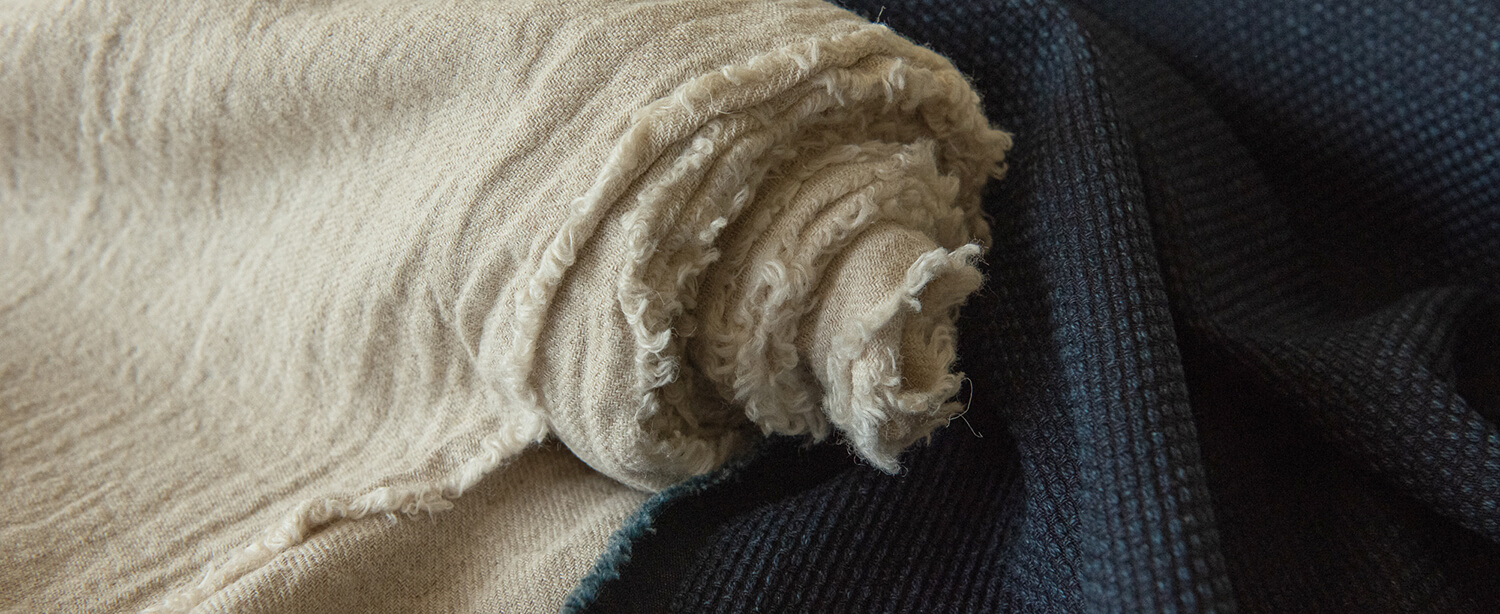
I choose fabric suppliers based on quality, production ethics and fiber sourcing. I try to stock fabrics that are traceable down to fibre, this way I can feel confident they’re made in an ethical environment and with consideration to the planet. I try to keep fabric sourcing as close to the mill as possible, to avoid a lot of unnecessary logistics – Fabrics travel across the globe and back again from fiber to garment, so trying to keep this to a minimum is important to me. It’s also important to me to support smaller heritage factories that have been doing what they do for generations, this is where the truly unique fabric come from.
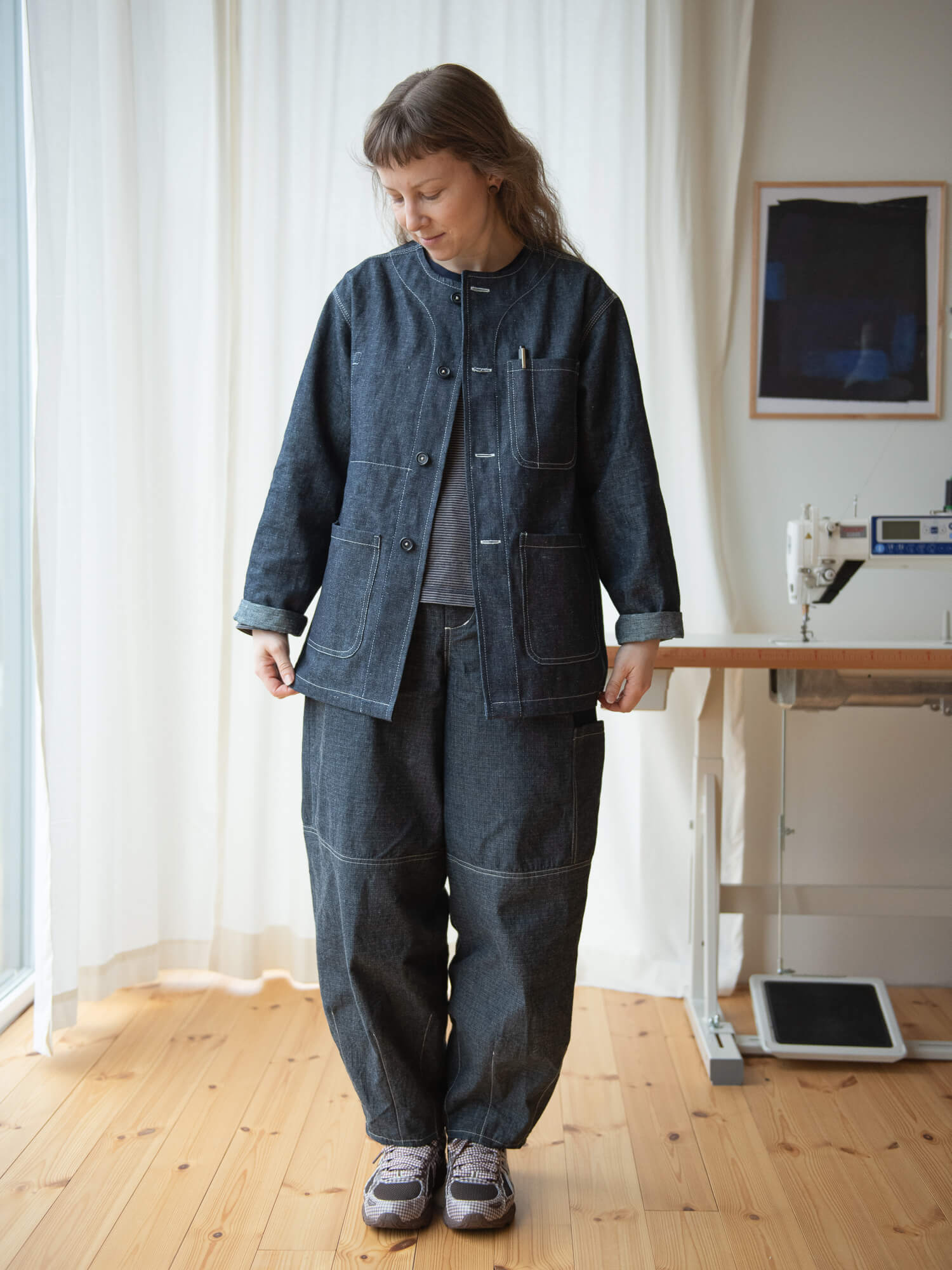
Your stock of Japanese fabrics and notions is quite extensive, tell us a little about this.
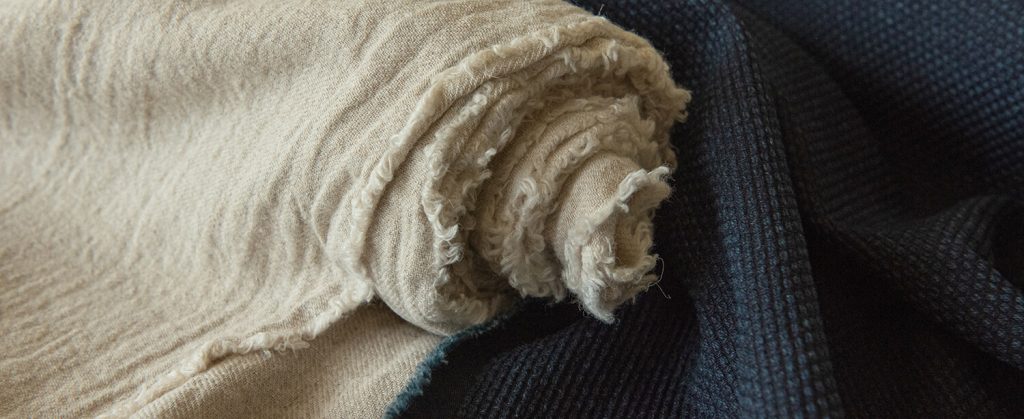
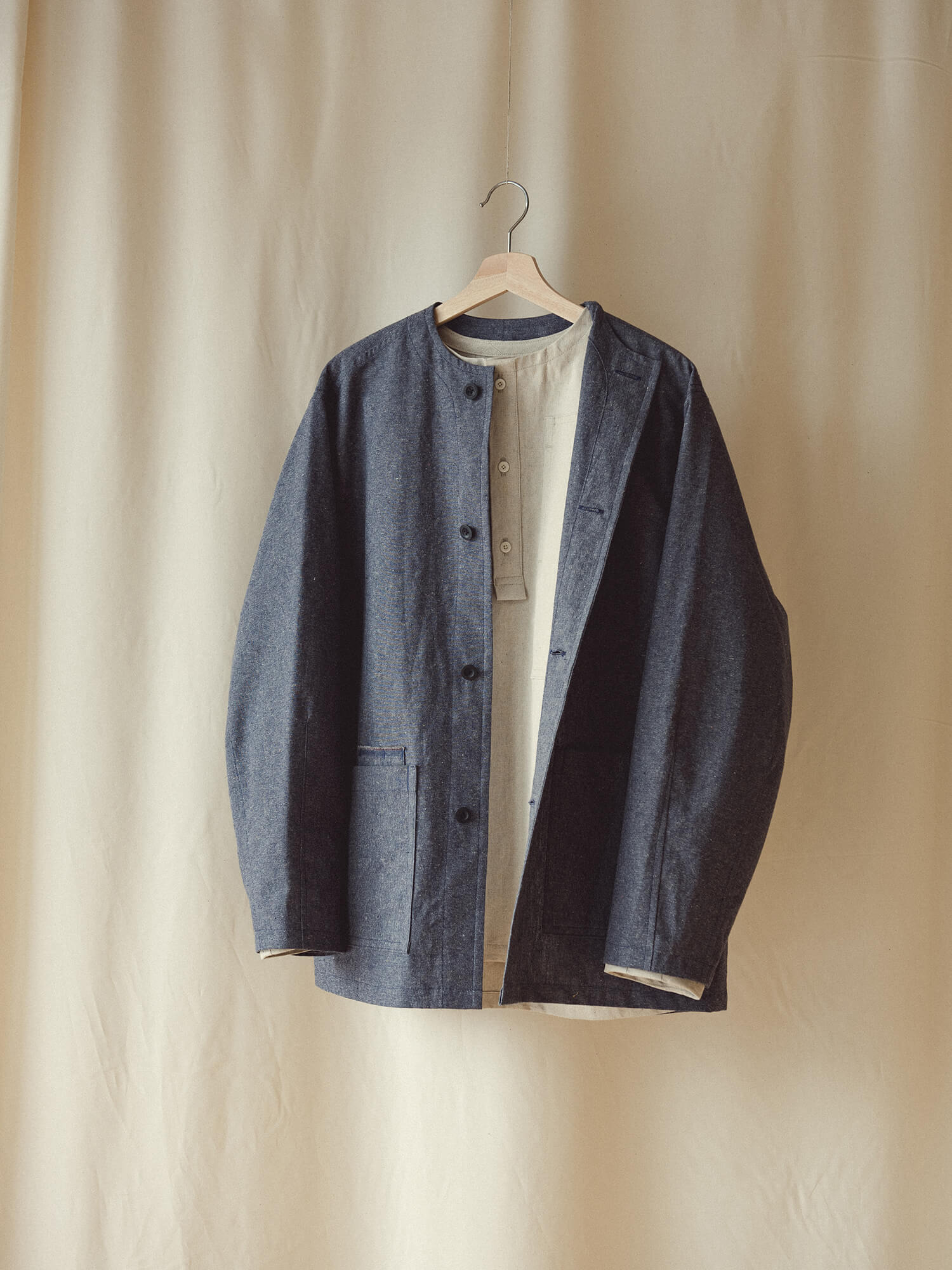
I’ve always loved Japanese fabric, from the first Japanese indigo dyed garment I purchased, I fell in love. Indigo has a life of it’s own with the way it develops patina over time, it really highlights the life it’s had. Aoi Project was heavily influenced by Japanese style, and I went on a quest to source Japanese fabric. They have a lot of heritage in textile making, and are experts in dying and finishing. I find the best textures in Japanese fabric, and being a lover of all things texture and patina, they really resonate with me.
Who is your customer and how do they find you?
For the fabric shop, my customers are mainly Norwegian, from across the country. The pattern part of the business is global, which is amazing. Ages average from 25-55, mostly women, which I’m hoping to improve. I’ve reached most of my customer base via Instagram, where this year I had a big growth spurt and hit the American market as well as the Australian. It’s mind boggling to think about people sewing and wearing my patterns on the other side of the planet!
What are your plans for this year? Are you intuitive with where you are heading, or are you a rigid planner?
For the year ahead I’m aiming to release the last couple patterns from my brand Aoi Project to start. They’ve been a long time coming, and I’m excited to get them out to the sewing community. I’ve also started working on a couple other pattern additions, so I think 2026 will be a big year in terms of pattern publishing, fingers crossed! I’m also working on hopefully blowing some life into the clothing brand again this year. I really miss that part and feel like it’s time to give it another go. I’m really not a very thorough planner, I’m more of a go with the flow kind of person, and my business reflects that I think. I’ll do whatever I’m capable of at the time, and get wild ideas that shoot me off to the side every now and again. Even though I plan with the future in mind, it rarely turns out exactly as that initial idea portrayed!

Related posts
Curated By You: Jennifer Coombes Pairs a Zero Waste Pattern With FS Linen
Could you tell us a bit about yourself and how you got into sewing? I feel like it’s almost impossible to think of a time when I wasn’t doing some form of sewing or crafting. One of my earliest memories is riffling through my grandmother’s wicker sewing basket with the shell covered lid and believing…

Embracing Imperfection: Lessons from a Perfectionist Sewist
I’m what you would call a classic perfectionist. I’m detail-oriented and I can set ridiculously high standards for myself. I often obsess over the tiniest of details and naturally notice even the smallest of mistakes. Because of this, I can interpret mistakes as signs of imperfection or even failure. I can also have a pretty…
Vibrancy and Fun: The Playful Pattern Design of Ottoline
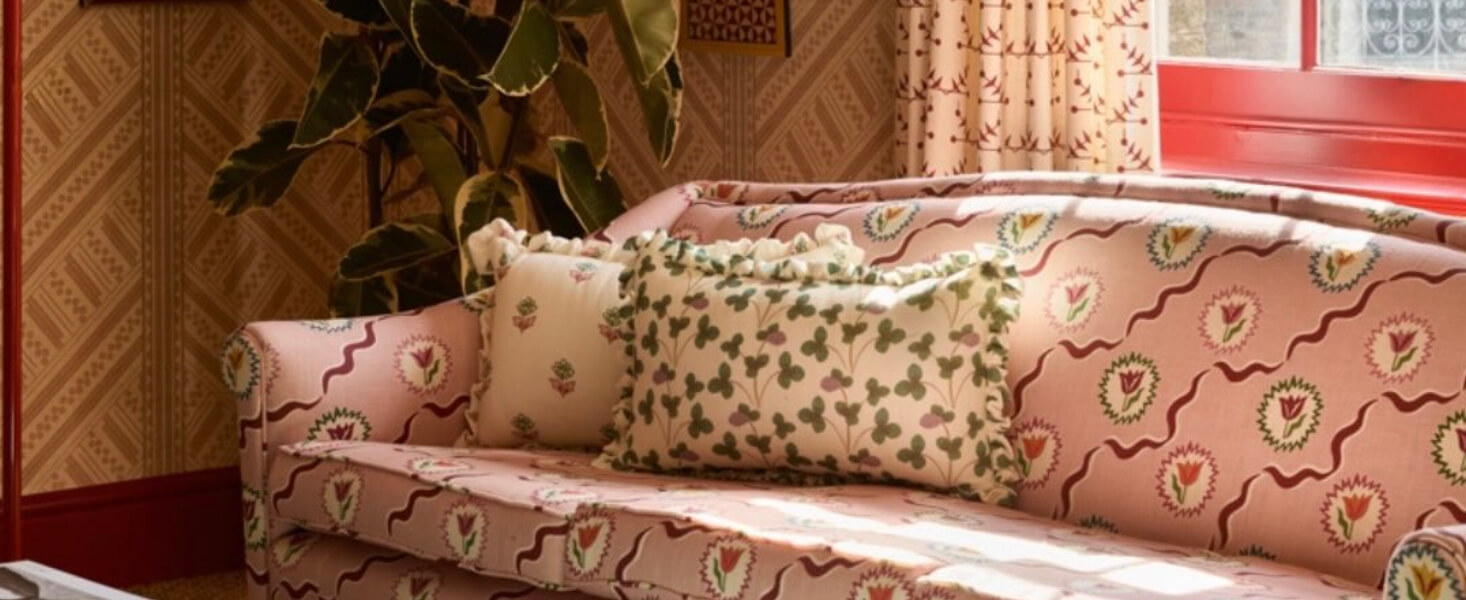
There is a spirited and playful quality to the textile and wallpaper designs of Dutch maker Ottoline de Vries, who established her eponymous company, simply called ‘Ottoline’, in 2011; since then her work has become an international success, gracing magazine spreads and interiors throughout the world. Ottoline, now based in London, is widely recognised for…
Curated By You: Madison Best Pairs Arlo Vest with Georgia Trousers
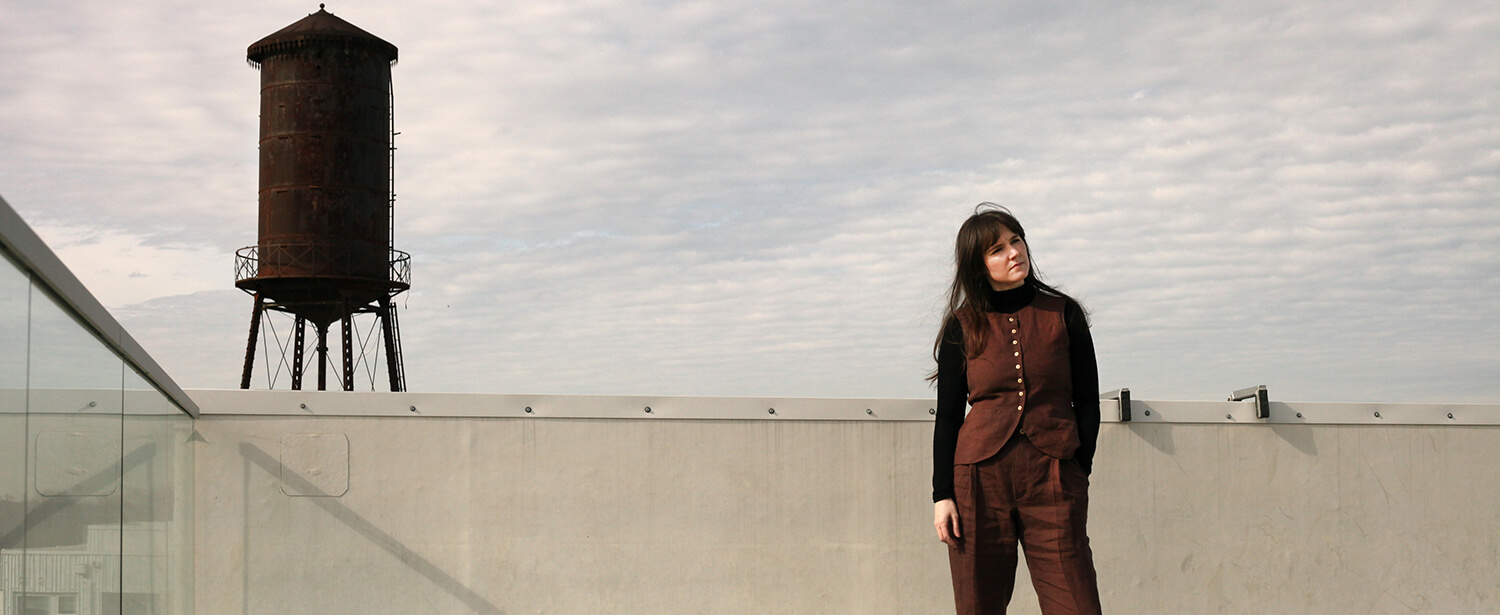
Could you tell us a bit about yourself and how you got into sewing? Hello, I’m Madison! I have been creative since I was really little, from drawing dress designs, to ballet, to film photography. The very first time I used a sewing machine, I was a Counselor-in-Training at an arts camp. They assigned me…

Behind the Scenes With: Natasha Kelly, Founder of Studio Wylder
What is Studio Wylder? Tell us a little about how it all started. Studio Wylder is a women’s clothing brand built on strong ethical and sustainable foundations. We create small-batch collections of thoughtfully curated, effortless pieces designed to blend beautifully into your existing wardrobe. I started Studio Wylder at my kitchen table in 2020, after…









SEW THIS LOOK

Latest Posts
Leave a comment