

Crafted by Hand: The Tactile Textiles of Tanya Aguiñiga
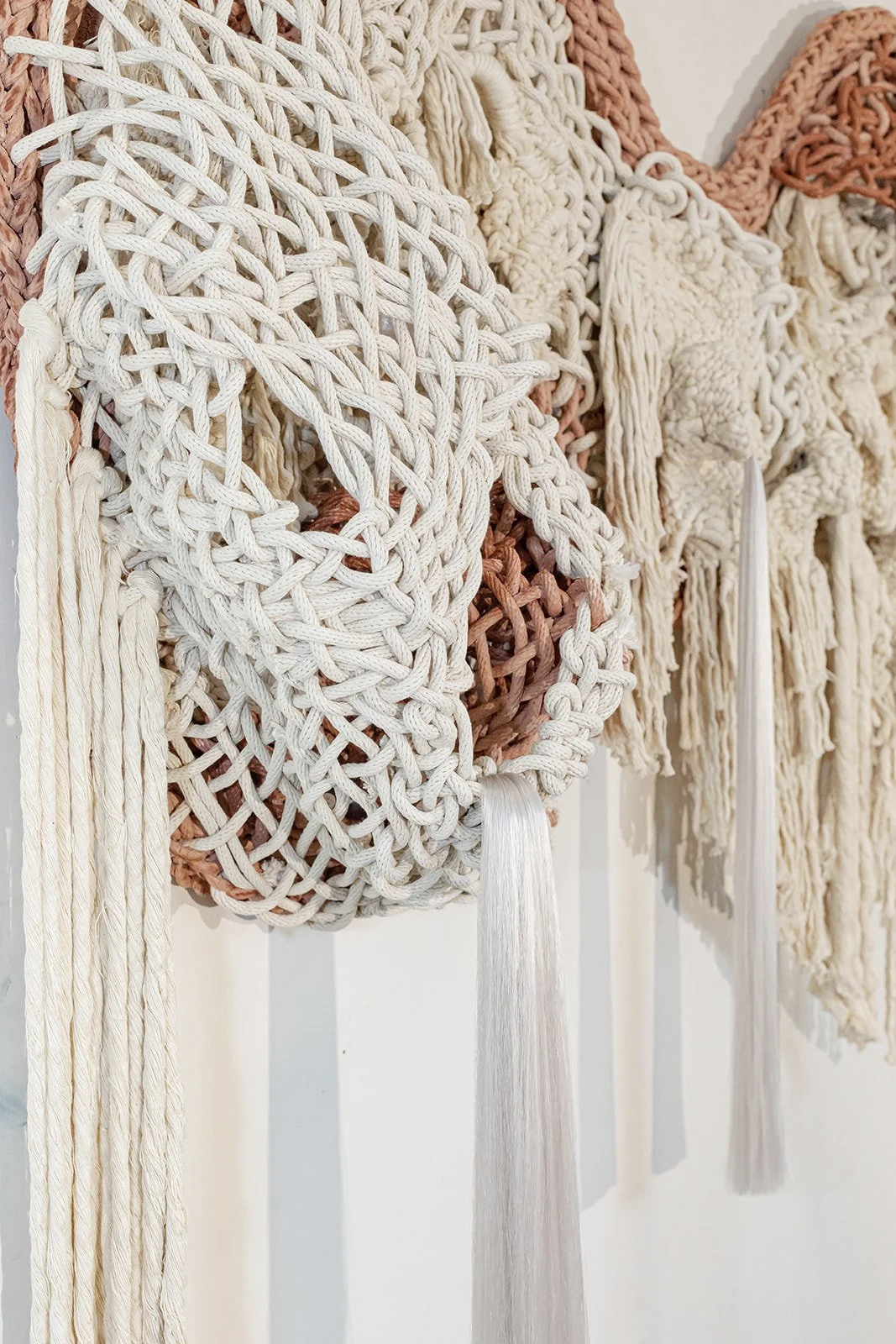
Matriarchal Womb, 2022 (detail)
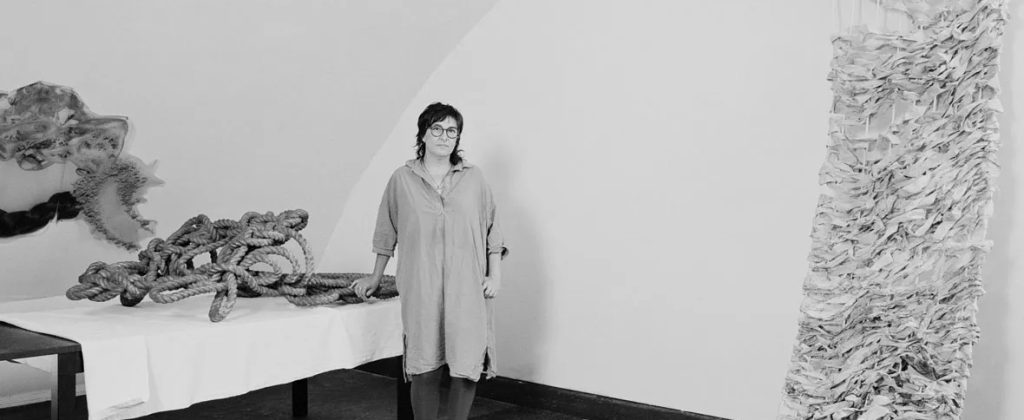
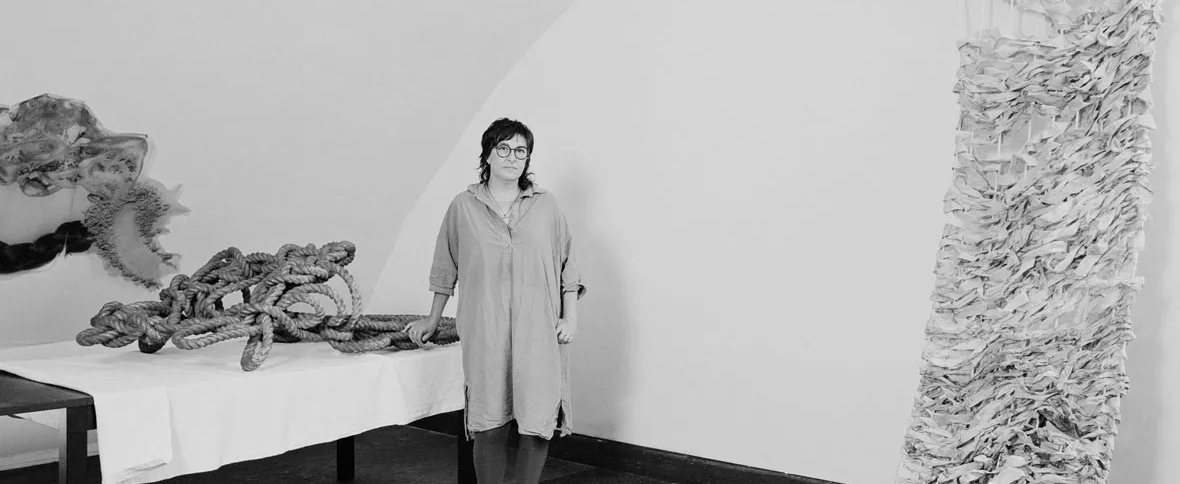
Los Angeles-based sculptor and fibre artist Tanya Aguiñiga has made a career out of working with traditional craft practices and materials to produce a wide range of sculptures, installations and performances with a bodily, hand-made feel, often engaging community groups with the process of making. She chooses materials with connotations to her Mexican ancestral past, such as cotton, flax, copper, stone, and clay, morphing these substances with techniques of making which are also a key part of her family history, observing, “The objects our ancestors made still have lessons within them.”
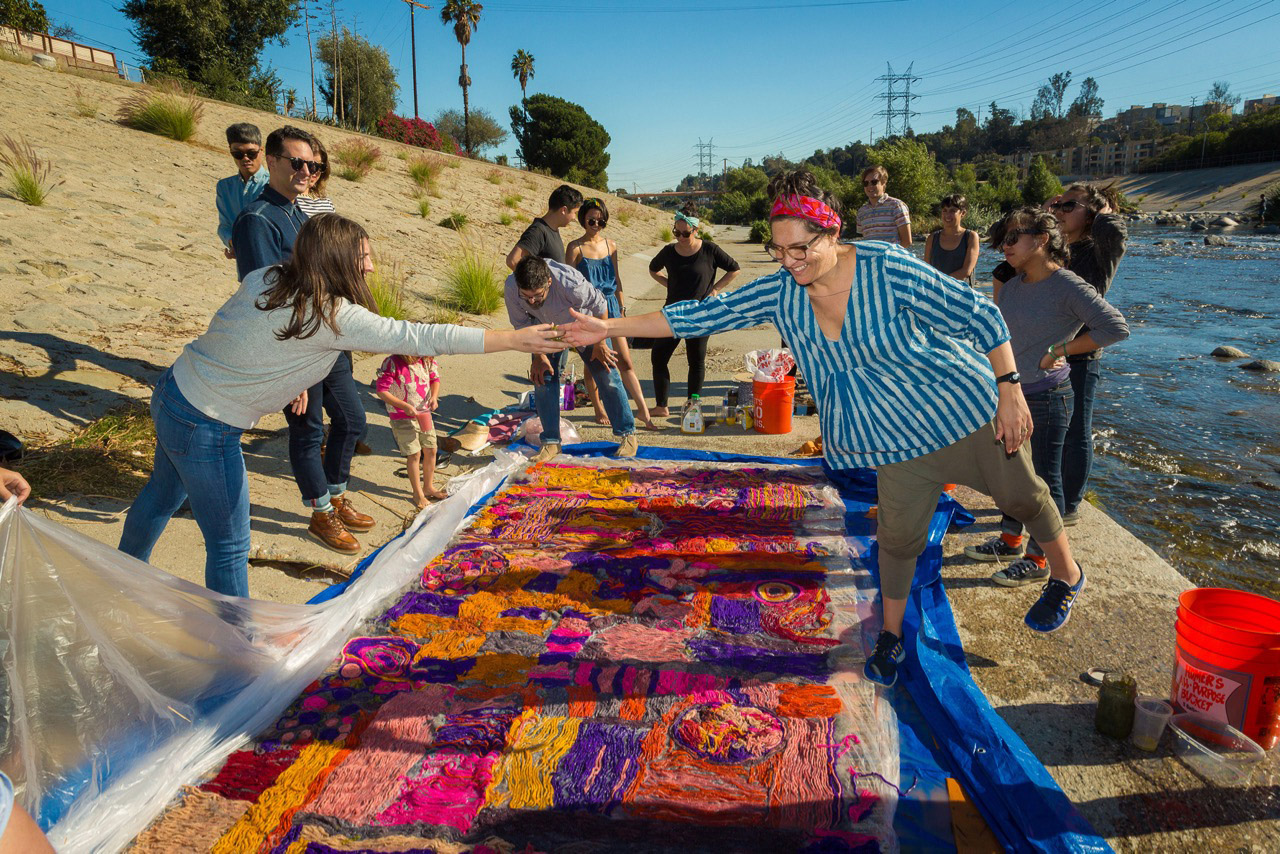
Community crafting with Tanya Aguiñiga.
Aguiñiga was born in 1978 in San Diego, California, and raised in Tijuana, Mexico. She earned an MFA in furniture design from Rhode Island School of Design and a BA from San Diego State University, before spending several years working as a furniture maker. However, she realised it wasn’t going to be her ultimate career of choice, noting, “I pretty much stopped making furniture as a primary source of making a living maybe 15 years ago. I moved more into working in textiles and fibre mostly because I didn’t like working in an industry that’s very male-dominated, that you need a lot of super technical classes so that you don’t cut off your arms, and a lot of really expensive equipment.”
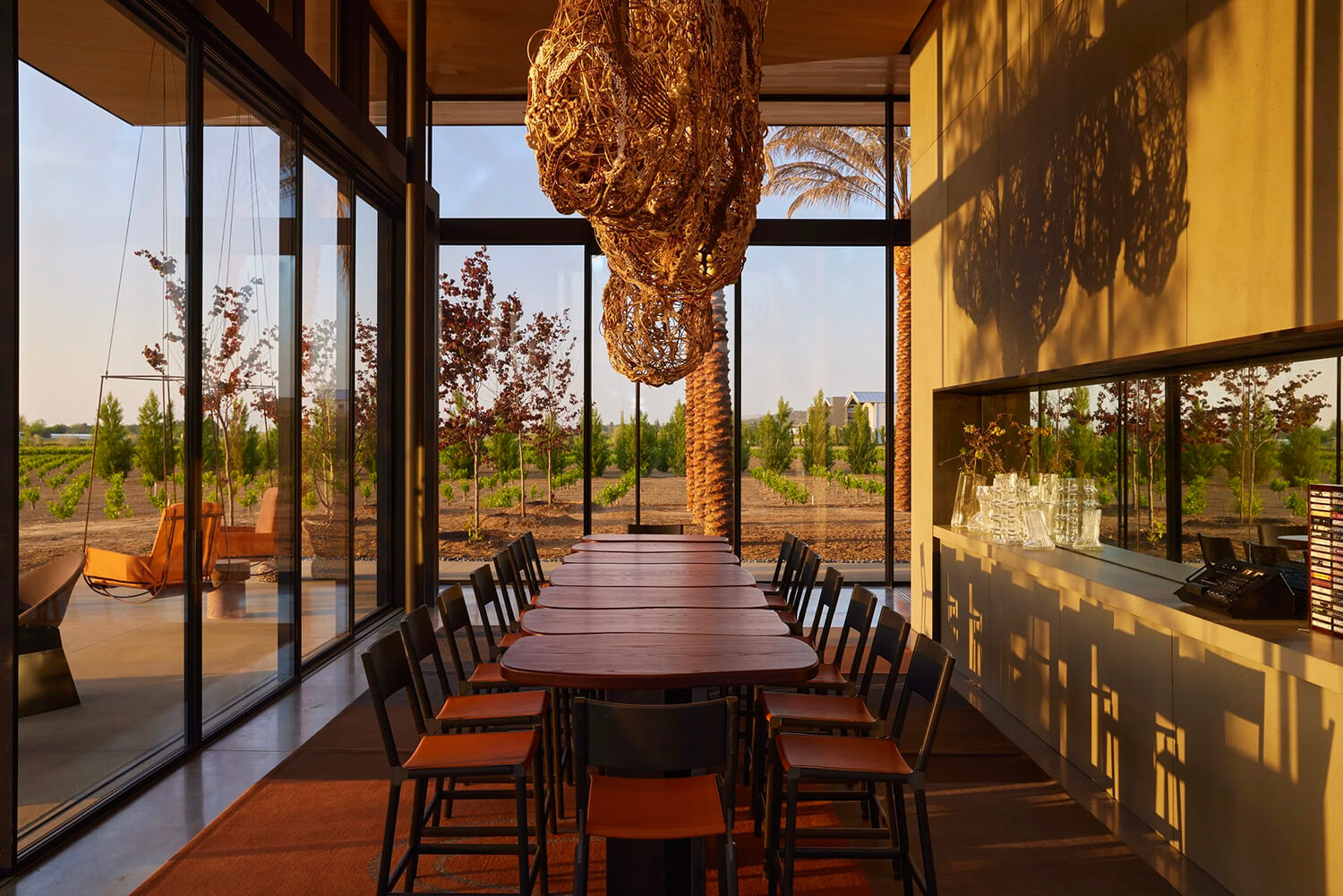
Private Commission
She subsequently found that hand-crafted forms of textile-making were not just easier, but a potent means of self-expression, observing, “I first realized craft could help translate my emotional experiences when I started paying attention to how materials could capture our body’s direct engagement with a material, like fingerprints on clay and tension in weave structures.” Reflecting on her use of naturalistic materials such as rope, clay, and cotton, which she could easily experiment with in her own space and time, she says, “Through developing my own techniques in ways that are non-hierarchical, that don’t require any tools, that don’t require any prior knowledge of working in textiles, I’m able to work with people from diverse backgrounds. It’s been a much better way of existing.”
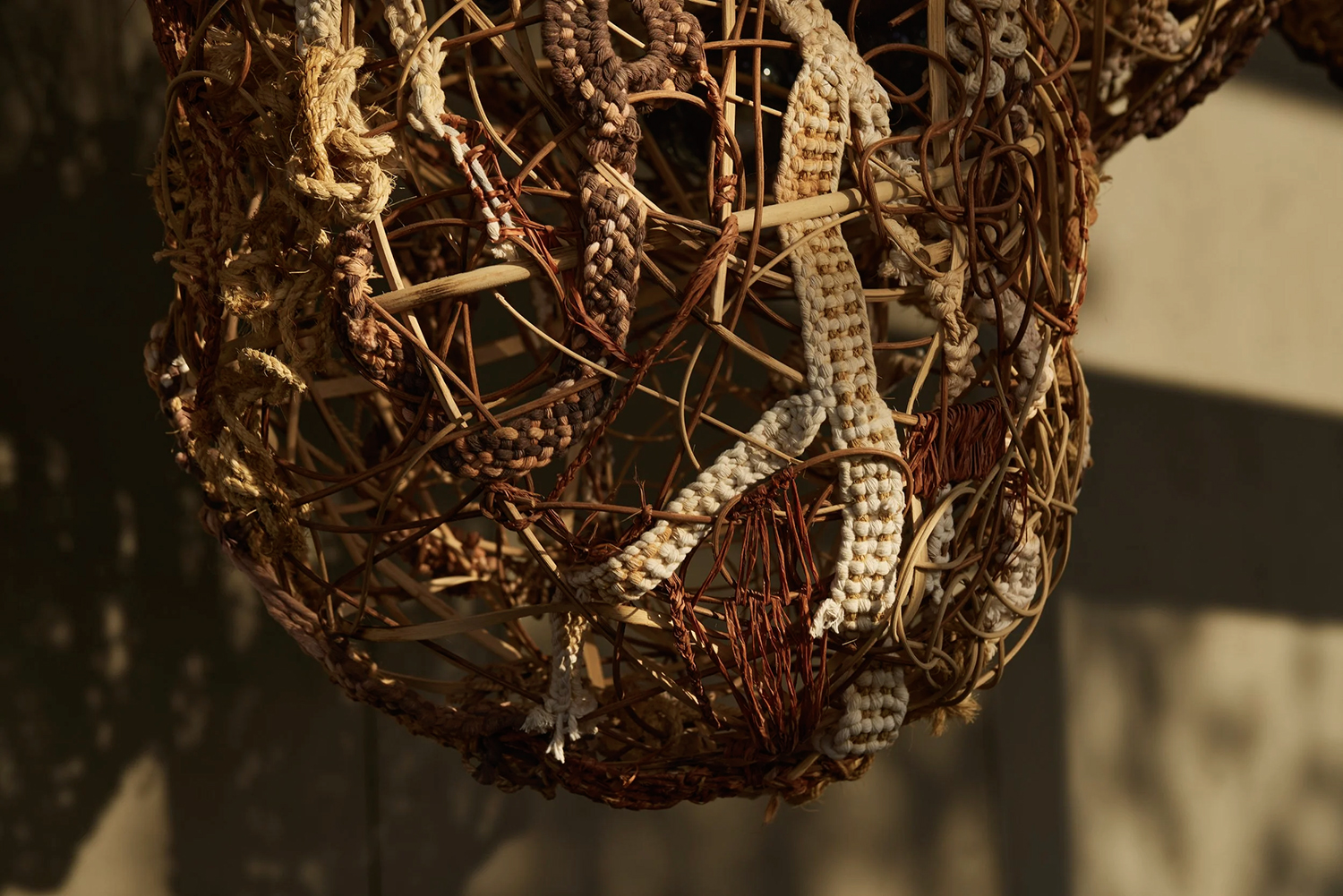
Private Commission
Rope, in particular, is one of her preferred materials, as she explains, “I love working with cotton rope, and collaborating with it to add dimension, texture and meaning while still referencing something that we as humans have had long histories with. The flax is for me, a stand-in for human and animal hair. I like the way that it tricks the mind and makes us uncomfortable even though it is a plant. It is what linen is made of, and this is how the structure looks before it is spun.”
“I like exposing our connections to the natural world,” she adds, “how we have worked with it in the past and current world, and thinking about unseen labour (and through this, issues of migration).”
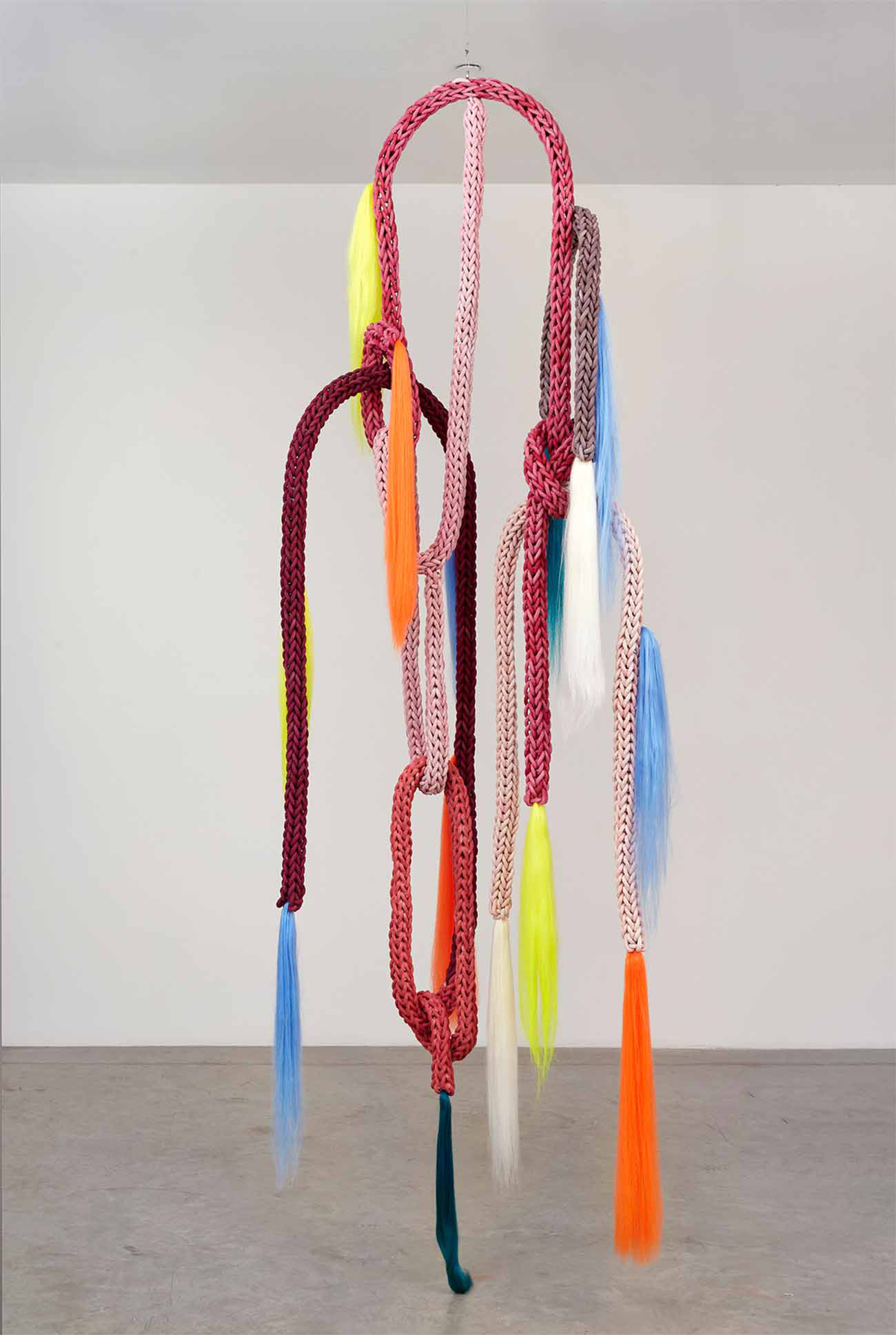
Fibre art from Tanya Aguiñiga.
Introducing elements of clay into her work is both tactile and conceptual, making reference to the struggles faced by Mexicans throughout history, as she explains, “The clay is a way for me to make skins and obscure, and also to pay homage to the use of terracotta and low fire clays in the Global South. Natural materials and things that grow inside and on top of the earth help me try to heal and reconnect in a society that looks to constantly uproot my loved ones.”
Working with tactile, sensorial materials in free, experimental ways is not always successful – “I tend to have a lot of failure, like every day,” says Aguiñiga, because, “I like to let materials have their own free will. And so sometimes they just don’t want to do the things that I’m asking of them.” But she also sees this process of accident as a key part of learning how to be a better artist. “I don’t see any of this stuff as failures,” she explains, “I just see it as different ways of learning.”

Related posts
Empowering Textiles: Joana Vasconcelos
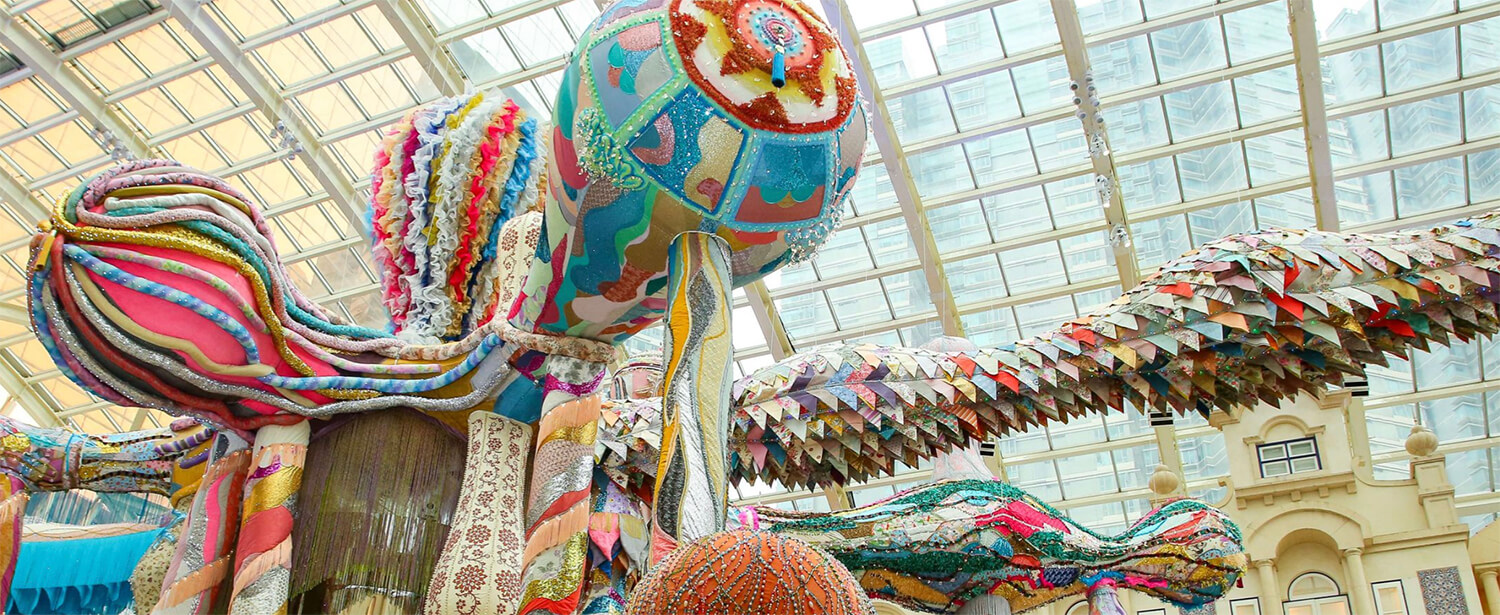
Portuguese artist Joana Vasconcelos makes vast, all-encompassing sculptural installations that embrace the wonder of textiles in all their glory, from crochet and embroidery to needlework and knitting, which she often incorporates with every day, found object including pianos, sinks, and computers, creating unlikely but strangely celebratory juxtapositions. She is now known worldwide for these vivid,…
Made with Love: Richie Wilde Lopez’s Intimate Textiles
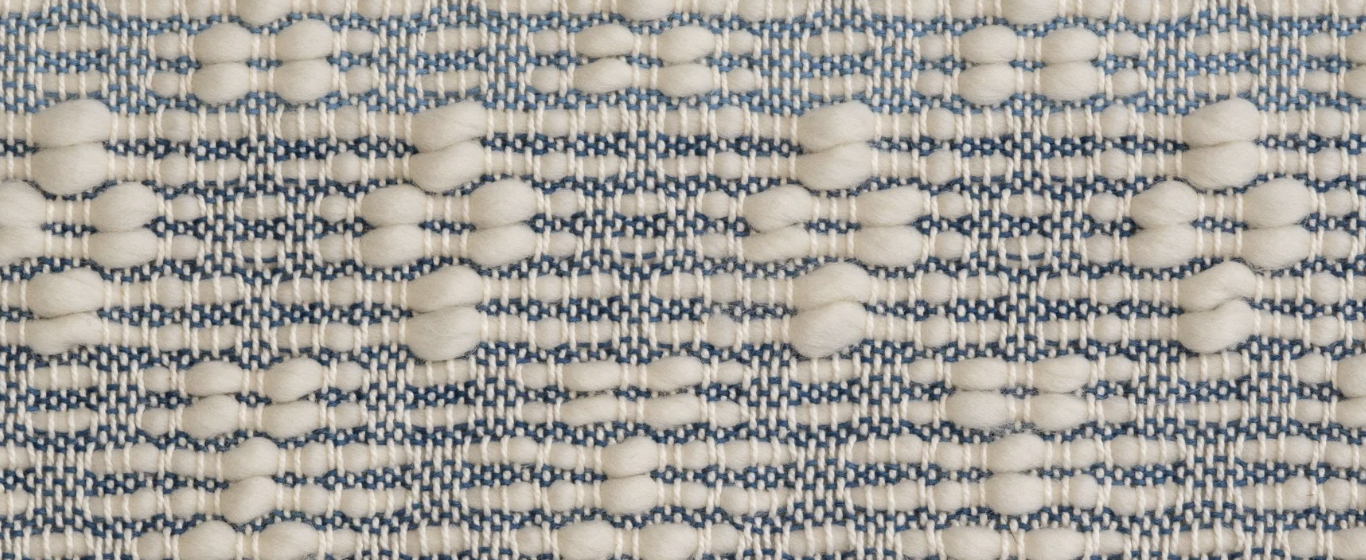
There is a familiar quality of warmth and intimacy bound into each thread of Puerto Rican artist Richie Wilde Lopez’s tactile textile art, which he produces in homage to his family heritage, and the women who passed traditions of weaving, embroidering, dyeing and creating down to him. He believes memories are stored deep within fabrics,…
Knitting and Knotting Together Joy in Katrina Sanchez’ Textile Art
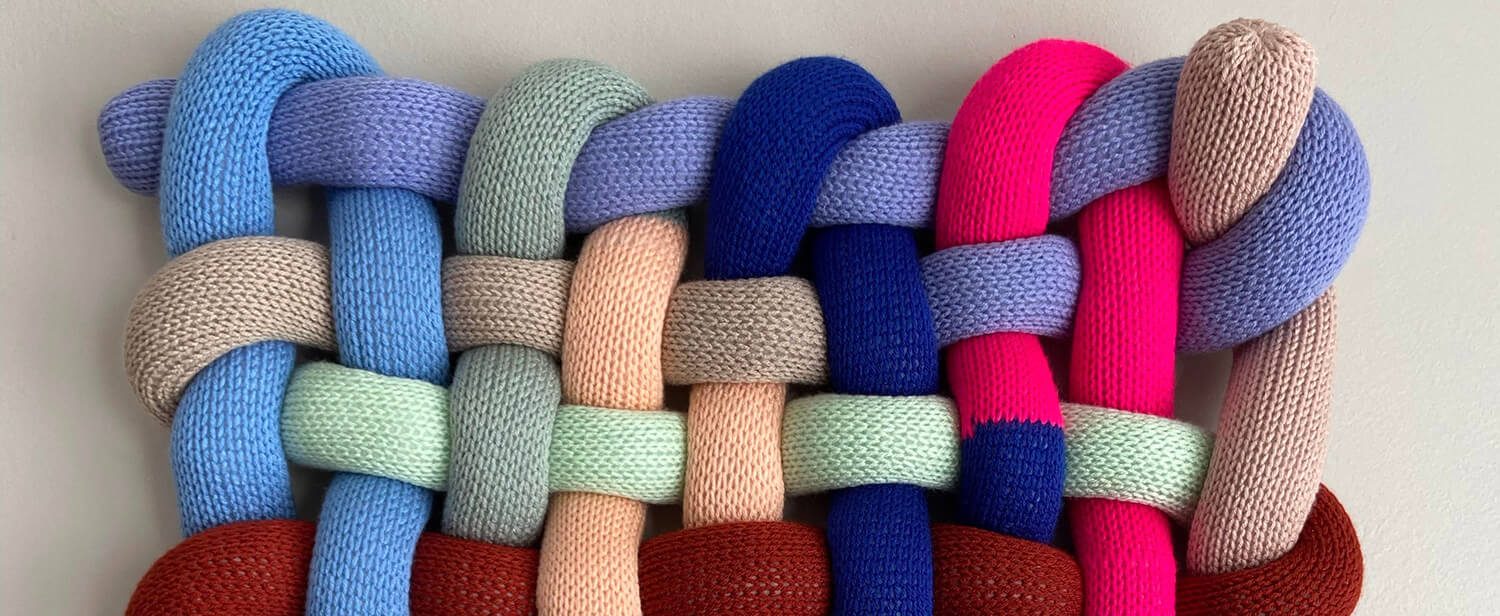
Fiber artist Katrina Sanchez makes deeply tactile and brilliantly bright knitted objects that speak of her sunny childhood in Panama, bringing a joyful and optimistic sensibility to the spaces they inhabit. The innocence of her soft, puffy creations makes them immediately appealing on a surface level, but they also form a potent means of fantasy,…
Milla Novo: Weaving New Worlds
From her busy studio in the Netherlands, textile artist Milla Novo has been making great waves in the realms of interior design since launching her career in 2017. Widely recognised today for injecting a lease of new life into the traditional macrame craft, she creates vast, all-encompassing wall-hangings and installations, in which vividly coloured and…
Breathing Landscapes: Inside Elise Peroi’s Intricate Textile World
Rising French textile artist Elise Peroi makes liminal artworks that hover between mediums; part tapestry, part painting, and part sculpture, her delicate and intricate work brings plant forms and subtle, naturalistic colours into semi-translucent constructions that act like doorways into another realm. Exploring the airy, breathable, and mutable properties of nature, she likens herself to…





SEW THIS LOOK

Latest Posts


Leave a comment