Tell us a bit about yourself.
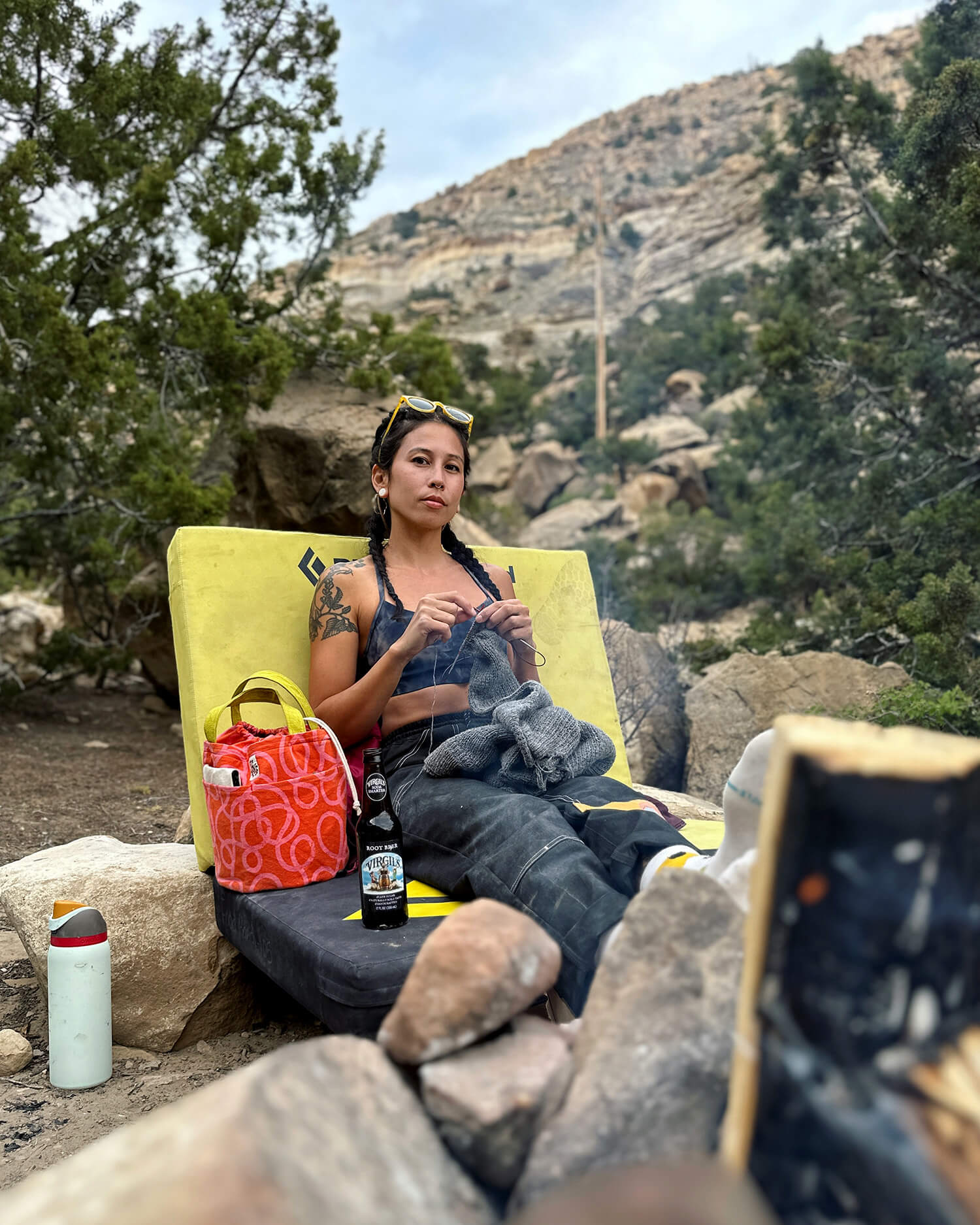
I was named after the song “Layla” by Eric Clapton, but my mother wanted to change up the spelling and I ended up as “Leila” 🙂 I currently reside in Salt Lake City, Utah but am always on the hunt for a new place to explore. I am professionally trained as a veterinarian with a bit of a winding path; I began in mixed animal general practice, moved over to non-profit shelter and wildlife rehabilitation medicine, then into wildlife disease research. Nowadays, I work a mix of all of it! I do a lot of freelance veterinary work, so with this flexible schedule, I have the great privilege of learning and growing my sewing and patternmaking knowledge at the same time.
What’s your path? How did you arrive at pattern making as a business?
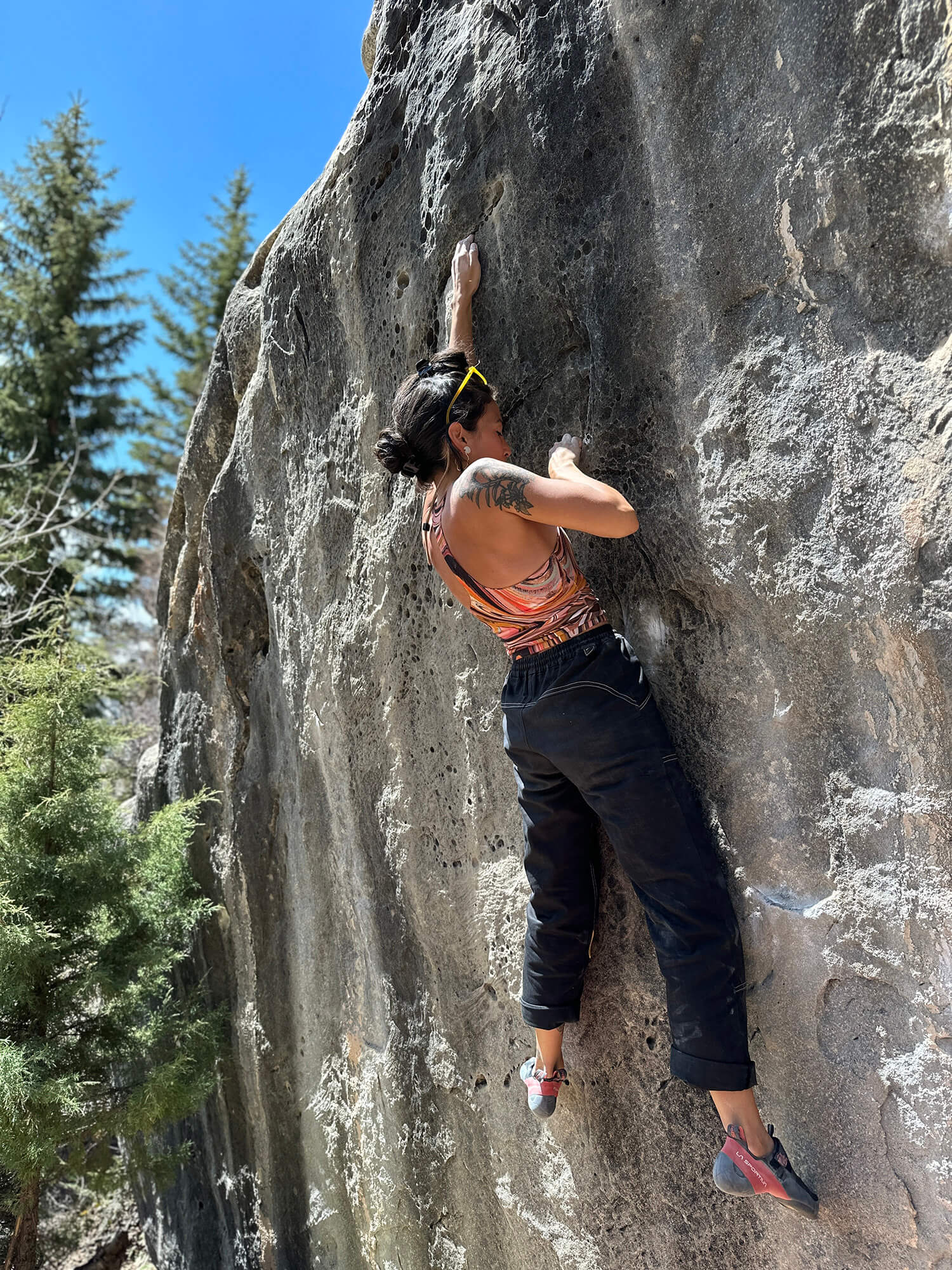
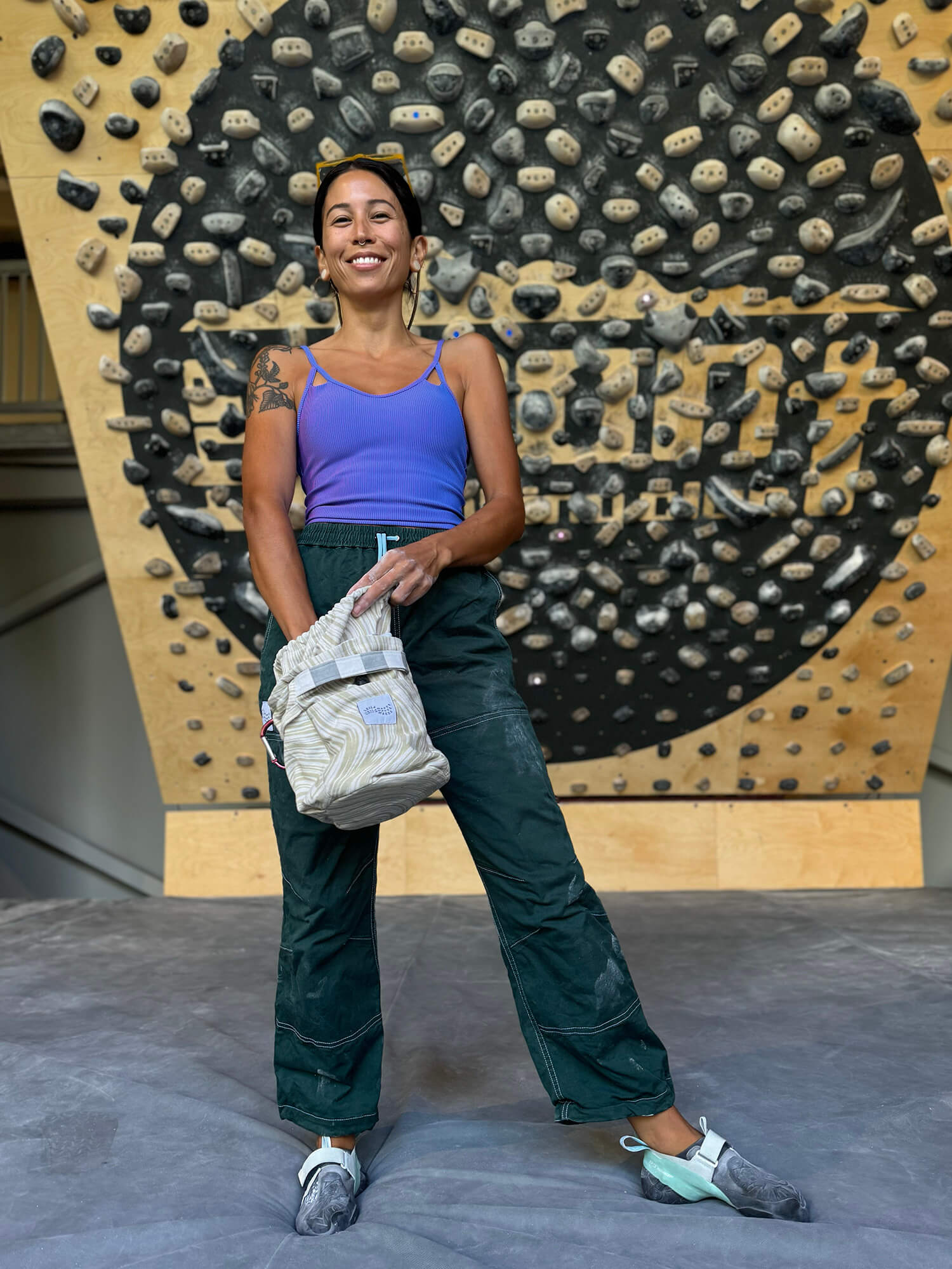
My patternmaking business was born out of good old peer pressure from the lovely online sewing community 🙂 As I transitioned from graduate school back to clinical medicine, I found myself in an online patternmaking course to help me refine what I was already learning on my own through books and online tutorials. When I realized there was a clear lack of sewing patterns at the intersection of function (e.g., climbing) and fashion (e.g., looks COOL).. I got to work! The Topo Pants sewing pattern was created and soon after, the Cedar Pants sewing pattern arrived on the scene just last year (May 2025). I am still building my patternmaking business very slowly and want to stay intentional in what I design and offer to the sewing community. So, my patternmaking “business” has the growth scale of a snail and I currently like it that way!
Looking back on our collaborations, you have often delved into drafting your own (often quite complex and utterly beautiful) patterns, has this practice helped in making the leap into releasing your own patterns?
Our collaborations have tremendously helped me in my patternmaking journey! I am a big time procrastinator and having collaboration projects helps me stay accountable and get into a fun creative project. With our projects, I’ve been able to have complete creative freedom with a fantastic medium (linen will always be my favorite textile to work with) and I love that I can set out to make something beautiful with very little regard for what might go wrong (linen can be so forgiving).
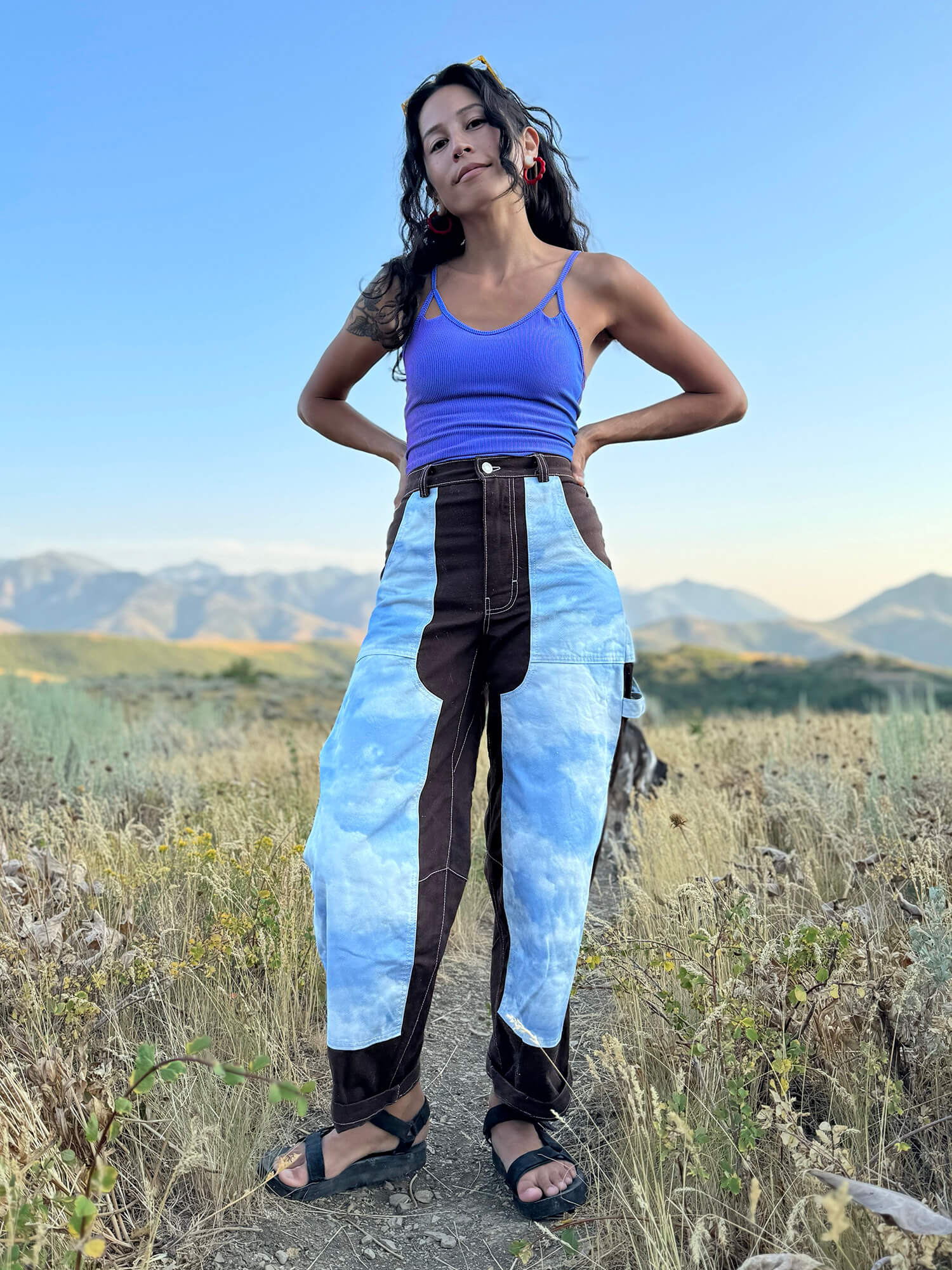
Cedar Pants pattern by Leila Makes
Do you have any formal training? And if so what/where did you study?
I started my patternmaking journey with classic textbooks like “Fashion Patternmaking Techniques by Antonio Donnanno and “Draping: The Complete Course” by Karolyn Kiisel. Then, I took an online course, formerly called “Erbaccia” that has since been revamped/reconstructed into “CPMG”. This course helped me learn more about digital patternmaking and applying what I did on paper to my computer (hello less paper waste!). I’m now working through an online course with IDES Studio to learn how to use Clo3D, which I think will help my patternmaking knowledge base even more.
Describe your normal working day.
I work several odd veterinary jobs throughout the year that range from filling in at a local shelter clinic, fulfilling a contract job with Navajo Nation Fish & Wildlife Department working on wildlife disease research, providing telehealth support for shelter organizations, and helping out animal rescue teams that focus their work on reservations and underserved communities that lack access to veterinary care. When I’m not working these veterinary jobs, I’m working on my patterns!
How does it feel to be doing what you love?
I feel incredibly lucky to be able to pursue my creative interests and maintain my working veterinary medical knowledge. I don’t know how long I can swing it or how sustainable this is for me, but I love where I am in this current space and I hope it only evolves into better opportunities as I move through this world.
What are the hardest aspects of owning your own business?
Self accountability has been a big challenge for me as well as self promotion. I feel like I’m in a unique position of starting out as someone who showcased a lot of other designer’s patterns and it’s very fun and natural for me to promote their work. I find it harder to promote my own designs and want to work on being more proactive in showing off all my hard work!
What is your proudest moment?
Seeing community makes with my patterns and receiving such kind messages on what my patterns have done for people. I started out with gender-neutral patterns and am so glad that I did. I hope to return to this concept with upcoming patterns because I want to accommodate as many bodies as possible to make sewing clothes for yourself as accessible as possible.
Tell us about your process, from idea to pattern.
I see a need/gap in the pattern world and start making prototypes for myself. Then, I make small changes and several versions until I’m happy with the garment and get into pattern development for others. Fit testing is my favorite part because it becomes more interactive with the sewing community and I essentially get to emerge from my patternmaking cave and see what my work looks like on someone else’s body, then get to refine it for a bigger fit test group and eventually release it to the world!
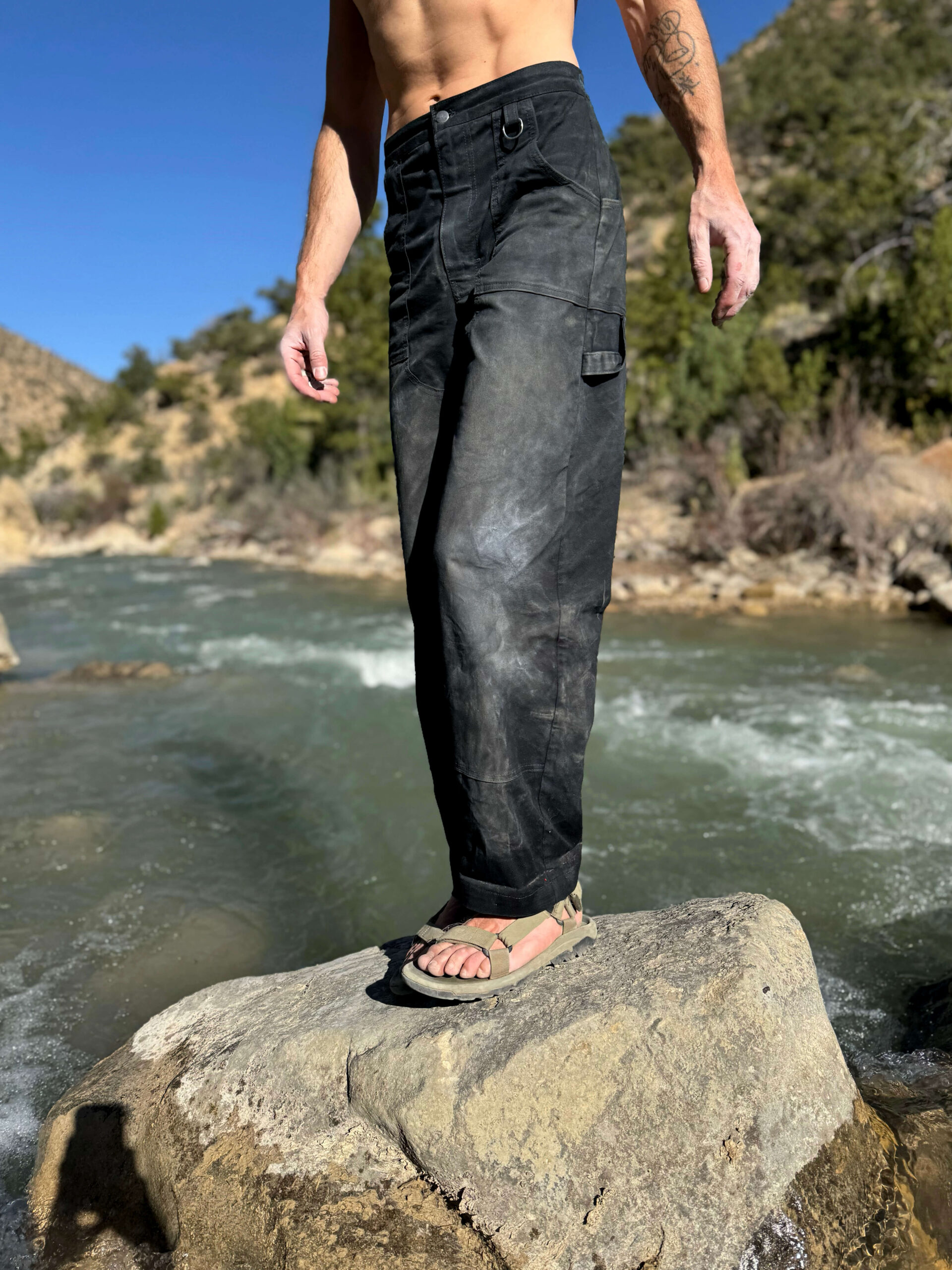
Topo Pants pattern by Leila Makes
Who is your customer and how do they find you?
My customer is anyone who wants to move and groove in me-made clothing. I feel so grateful to have met so many sewists in real life and virtually across the world that have discovered my patterns and share their makes with me andthe public!
Do you have a mentor who guides you?
I do not, it’s mostly me bouncing off ideas with my dog, Suge.
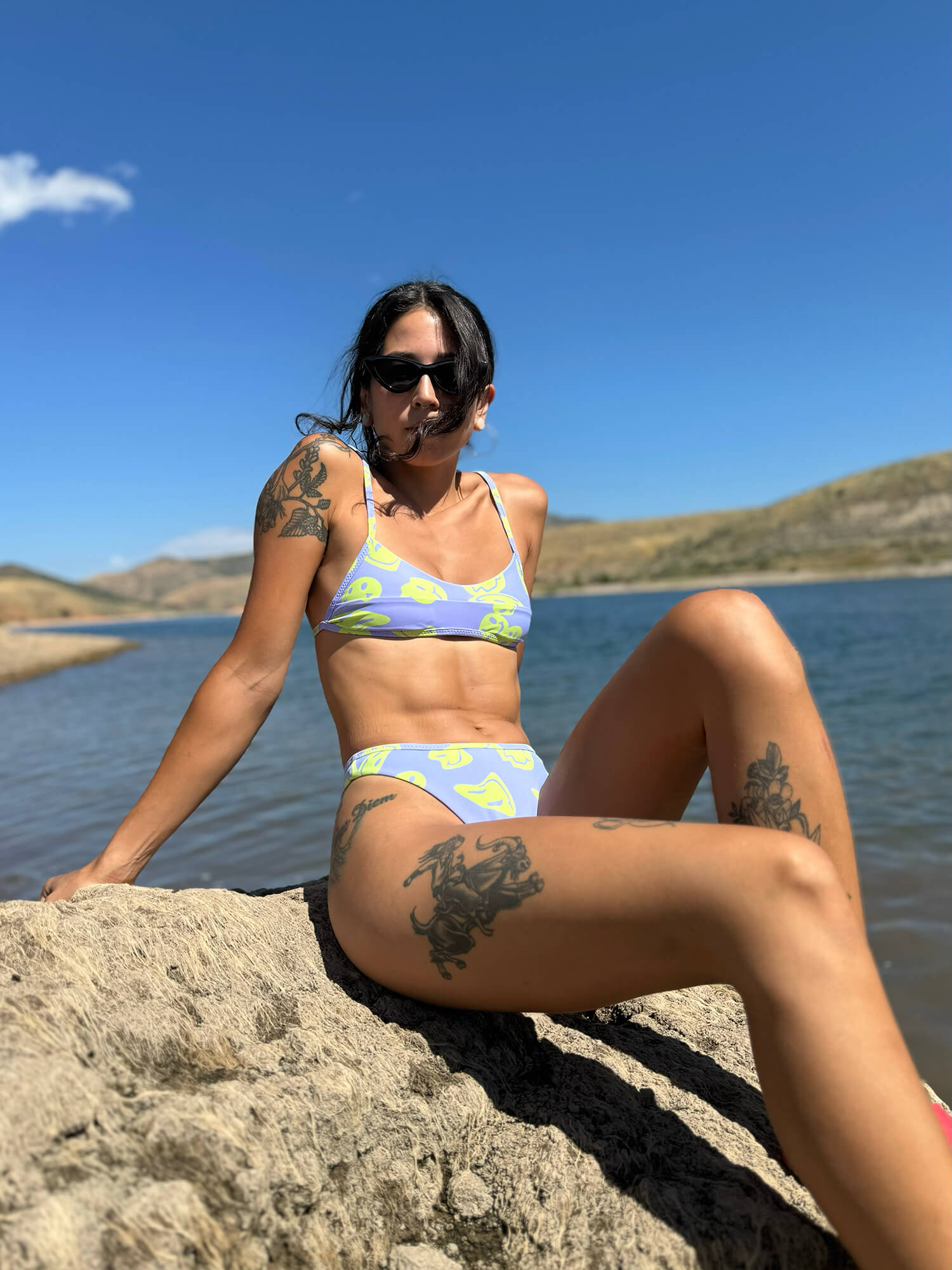
Juni Set pattern by Leila Makes
What are your plans for this year? Are you intuitive with where you are heading, or are you a rigid planner?
I keep my plans loose so that I never get disappointed if something doesn’t end up happening. I have a growing list of pattern ideas and would love to be a bit more efficient at churning them out for public consumption, but I’m also glad I can take my time with my patterns and really make something I’m proud of to share with the sewing community when the time is right.
What does success mean to you?
Success means doing something you love everyday – even if it’s a small action – sitting outside for an hour to meditate, setting aside time to draw or sew or create anything, setting out to do community service work with others, moving your body through climbing, dancing, walking, anything that gets you out of your head and into a grounding space.