

FS Colour Series: Caramel Inspired by Paul Sérusier’s Burnt Sienna
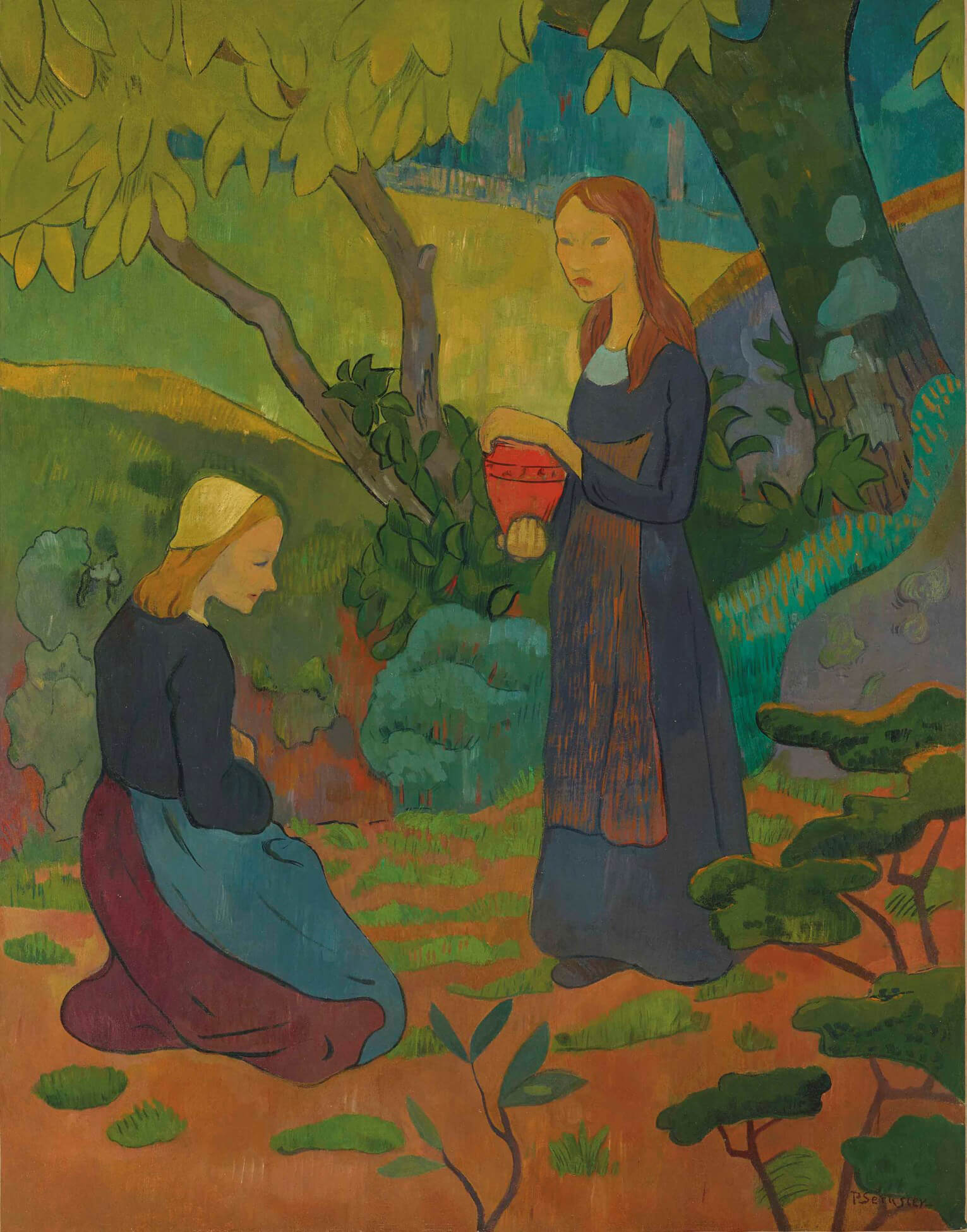
Young Breton Woman with a Vermillion Pot and a Kneeling Little Girl, 1892
Late 19th century French painter Paul Sérusier was a pioneering colourist, whose paintings broke free from the realism of the French Impressionists into the realms of the mystical, symbolic, and imaginary. He sought ways of communicating his innermost feelings through his colourful art, writing in his notebook, “Free form and colour from their traditional descriptive functions in order to express personal emotions and spiritual truths.” Warm shades of brown and burnt sienna like Caramel Linen often made their way into his paintings, conveying scorched earth, autumnal bracken, or glowing interiors lit by French sunlight.
Sérusier was born in Paris and trained as an artist at the Academie Julian, the experimental alternative to the more academic Ecole des Beaux Arts. As a student he spent time amongst the artist colony in Pont Aven, where he came into contact with Symbolist painters including Paul Gauguin and Pierre Bonnard. Through contact with these artists, he gradually moved beyond directly representational painting into imaginary interpretations of the world, with heightened colours painted in broad areas of flat paint.
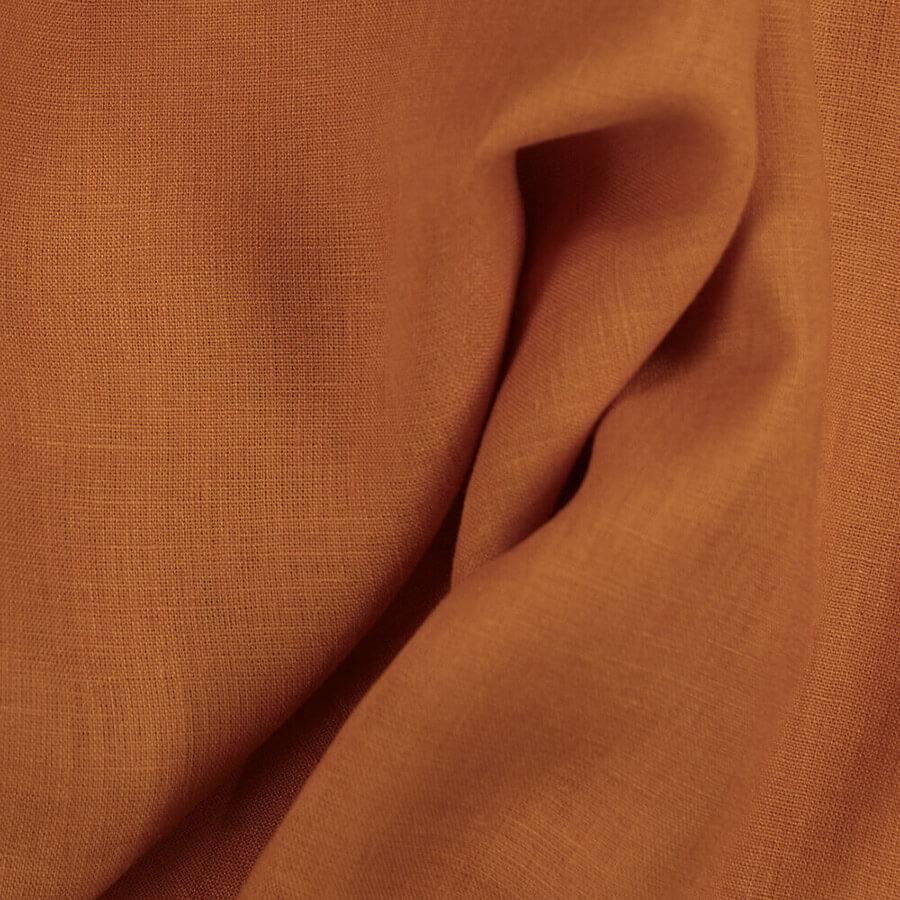
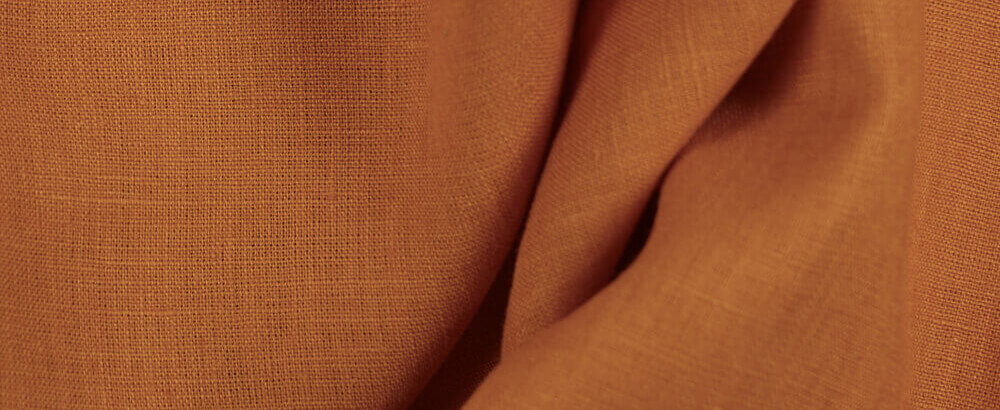
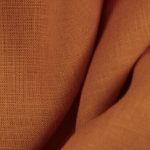
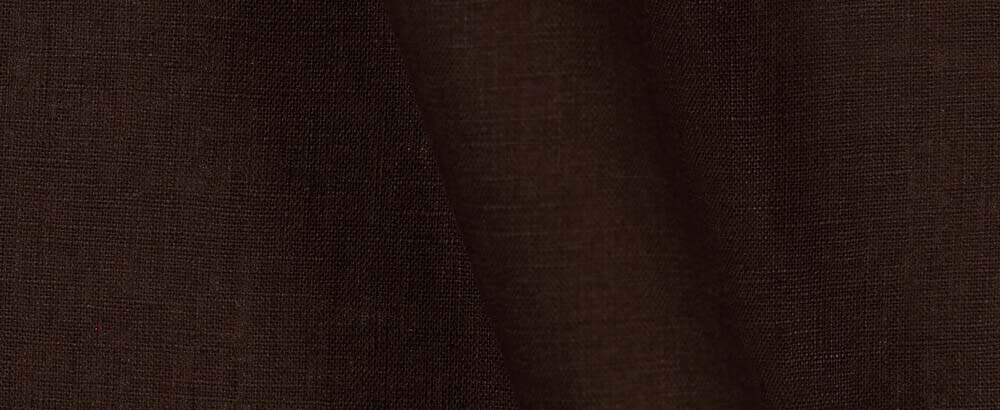
FS Caramel Signature Finish Midweight Fabric
From here, Sérusier founded the art group known as ‘Les Nabis’, a term taken from the Hebrew word meaning ‘prophet’, acting as a nod towards his desire for making art with deeply spiritual properties, achieved through the interplay of ambient light and colour. He famously said, “Art is a means of communication between souls.”
In the quiet, contemplative painting Young Breton Woman with a Vermillion Pot and a Kneeling Little Girl, 1892, we see the ways Sérusier balanced vivid hues with subdued tones to create vibrating colour sensations in the viewer’s eye. Two young women are situated within a shaded area of landscape – one standing, one kneeling – on the warm, golden-brown earth that seems baked in with the heat of a summer’s day. Around them ambient greens and blues in muted hues are rendered in broad, flat areas of colour, simplifying the scene into a thoughtful, dream-like reverie.
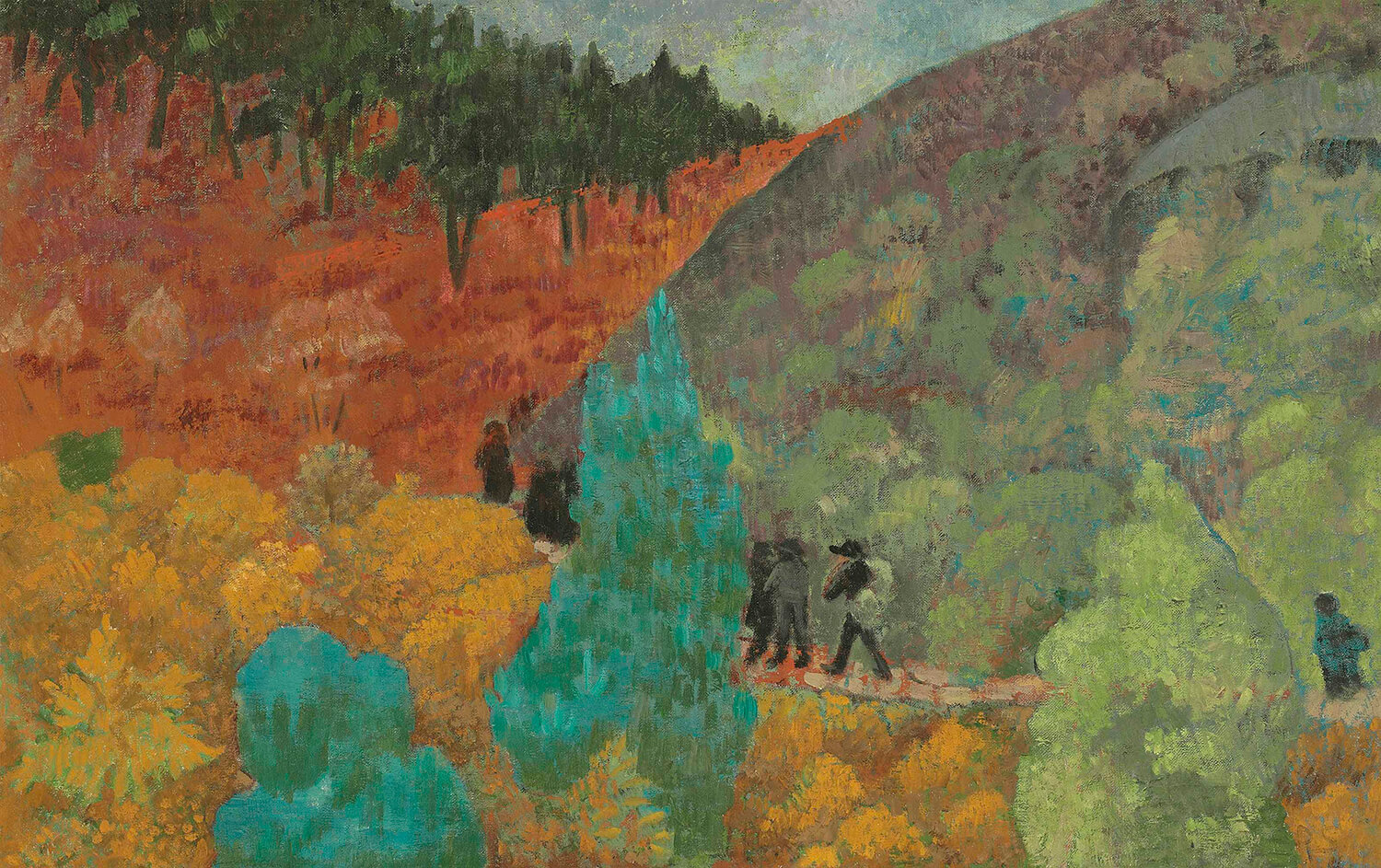
Bretons in the Landscape, 1919
Made some years later, The Times, 1919 is looser and more expressive, with paint applied in scattered, dappled marks to convey the dry, bristling texture of an autumnal landscape. Caramel and honey browns run in rivulets to form a meandering pathway in the near distance, and a group of ominous figures dressed in black amble up its steep slope. Beyond them, a cluster of young women run through the wild undergrowth with arms flailing, like lost souls searching for their way in amongst the wilderness.
Bretons in the Landscape, 1919 takes a similar approach, with scattered marks of colour layered over one another to form the sensations of depth, movement and space. In the foreground, the artist creates the rough, bushy texture of dry undergrowth with warm hues of burnt sienna scattered with tiny, flickering yellow dots, interspersed with searing streaks of turquoise blue that form tall trees emerging from its depths.
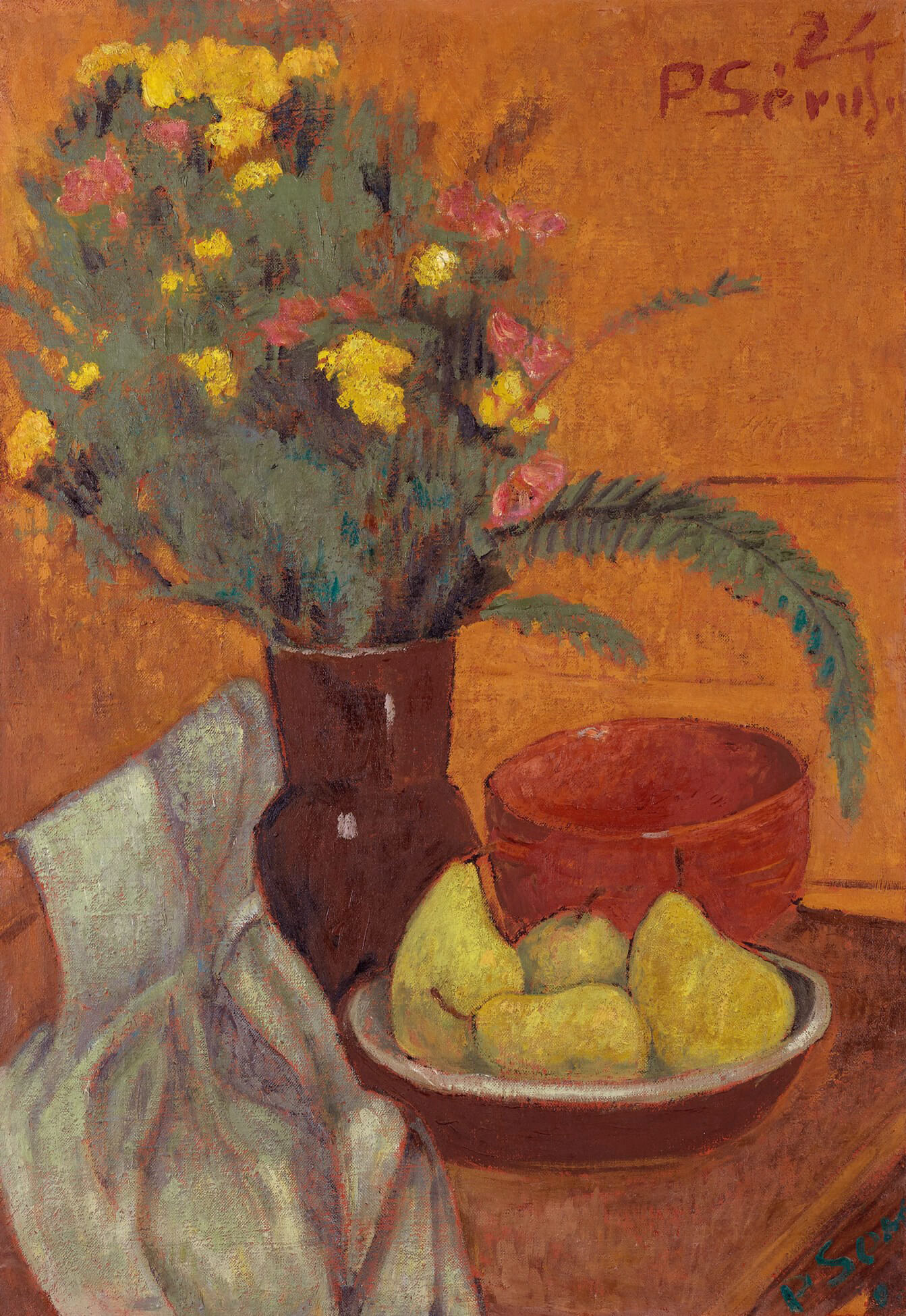
Still Life with a Bouquet of Flowers, 1924
In the later painting Still Life with a Bouquet of Flowers, 1924, Sérusier take us into a warm, sunlit interior, rendered in a more realistic style, where a simple still life arrangement features intimate domestic objects arranged into an informal grouping. A rich shade of warm caramel brown colours the entire background wall, setting a scene of comforting ease and tranquillity, a fittingly calm backdrop onto which the juicier shades of burnt orange, lime green, brown, dark turquoise and yellow spill out across its surface. As always with Sérusier’s art, these seemingly humble objects are merely a starting point, from which he can launch forth into the exploration of colour’s most transformative, emotionally resonant properties.

Related posts
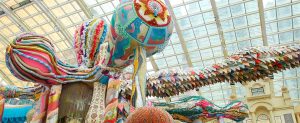
Empowering Textiles: Joana Vasconcelos
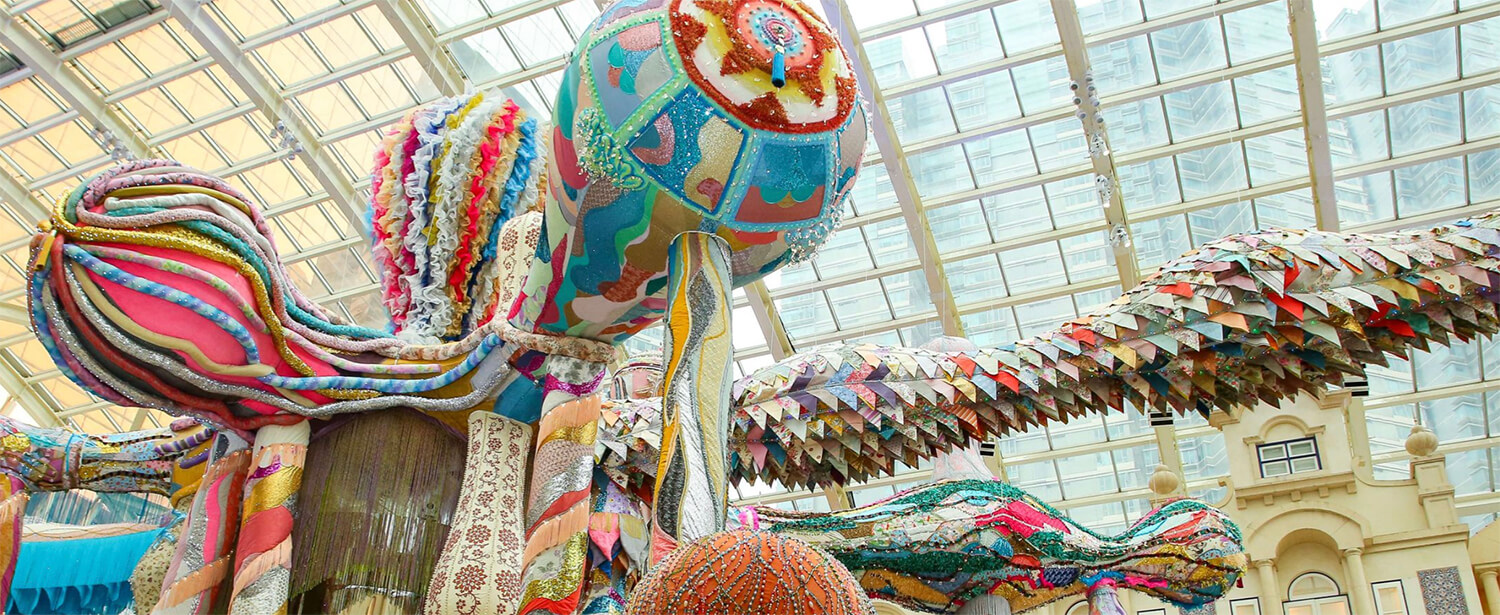
Portuguese artist Joana Vasconcelos makes vast, all-encompassing sculptural installations that embrace the wonder of textiles in all their glory, from crochet and embroidery to needlework and knitting, which she often incorporates with every day, found object including pianos, sinks, and computers, creating unlikely but strangely celebratory juxtapositions. She is now known worldwide for these vivid,…

FS Colour Series: Mellow Yellow Inspired by Agnes Martin’s Golden Glow
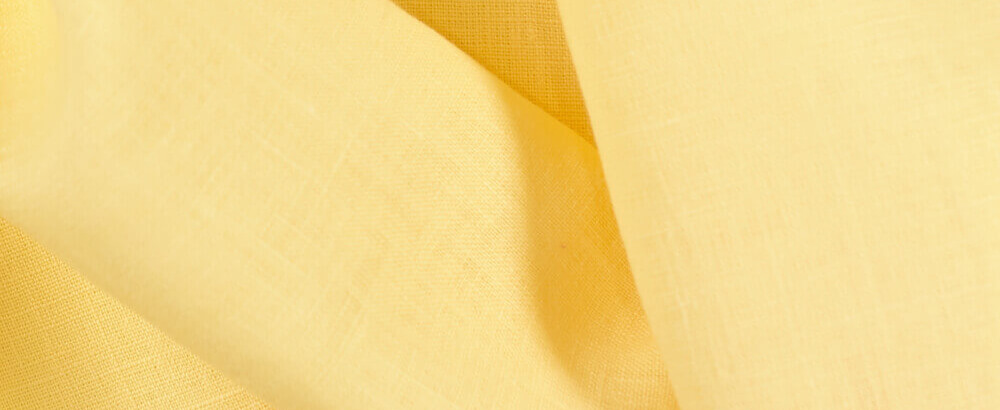
The great American minimalist painter Agnes Martin made her name with epic canvases washed with ghostly, trembling bands of pale pastel colour that speak of memory, love, and her intimate experiences in nature. Pale golden shades of yellow like Mellow Yellow made their way into her striped bands of shimmering colour, invoking the golden glow…
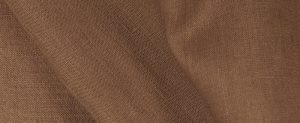
FS Colour Series: Shiitake Linen Inspired by Wilhelmina Barns-Graham’s Subtle Bronze
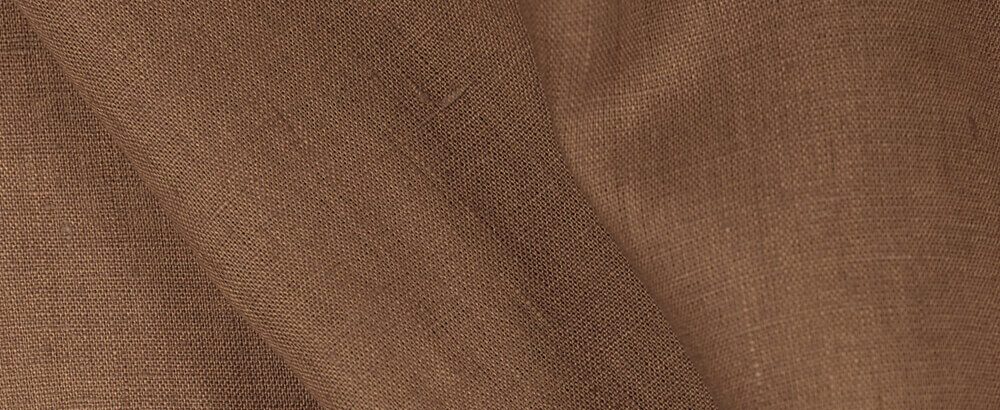
Renowned St Ives artist Wilhelmina Barns-Graham made work with astonishing subtlety, conveying the nuanced patina of rugged landscapes in an array of delicately shifting hues throughout her long and prolific career. Soft, subtle shades of bronzed brown like that of Shiitake Linen weaved through many of her most accomplished works of art, capturing the warm,…
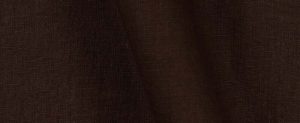
FS Colour Series: Coffee Bean Linen Inspired by Edvard Munch’s Deep Shadows
The early 20th century Norwegian Expressionist painter Edvard Munch saw art as a tool for expressing his innermost thoughts, feelings and desires, and the colours he worked with were a vital tool for expressing these intimate moments from his life. Deep shades of brown like Coffee Bean often played a key role, forming dark tree…
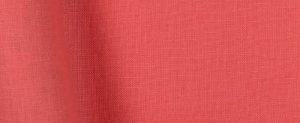
FS Colour Series: Tea Rose Inspired by Henri Matisse’s Indulgent Interiors
Interior views were one of Henri Matisse’s most enduring subjects throughout his career, a theme which allowed him to indulge in his great passion for decorative patterns, surfaces, textures, and colours. Tea Rose’s hot pink was one of the shades he returned to again and again, colouring anything from heavy curtains to lush carpets and…









SEW THIS LOOK

Latest Posts

Leave a comment