

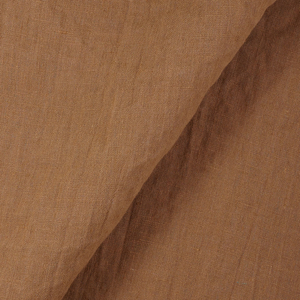
FS Colour Series: Shiitake Linen Inspired by Wilhelmina Barns-Graham’s Subtle Bronze
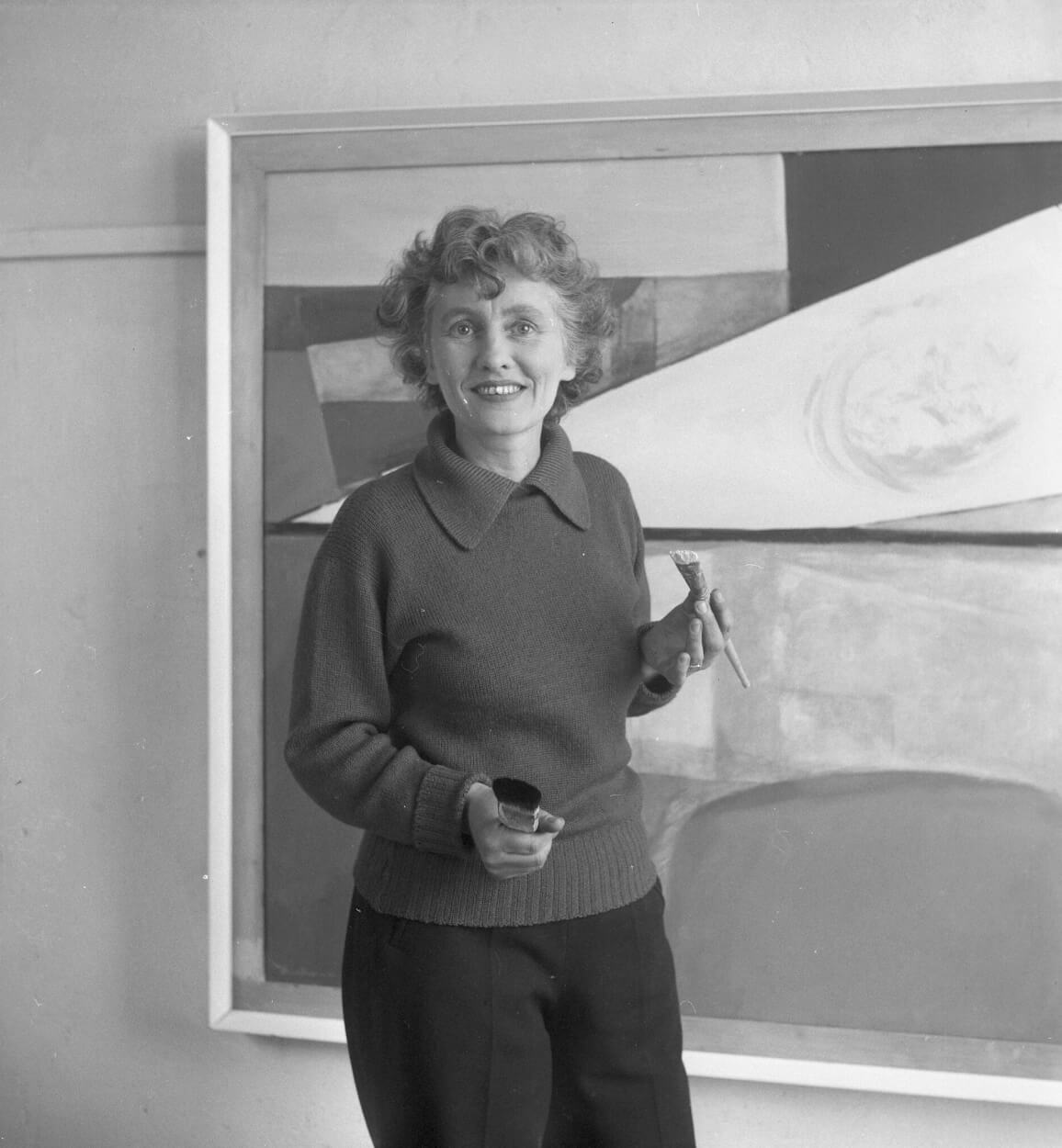
Renowned St Ives artist Wilhelmina Barns-Graham made work with astonishing subtlety, conveying the nuanced patina of rugged landscapes in an array of delicately shifting hues throughout her long and prolific career. Soft, subtle shades of bronzed brown like that of Shiitake Linen weaved through many of her most accomplished works of art, capturing the warm, enveloping and grounded earthiness of the many landscapes she immersed herself in, from the rugged coast lines of Cornwall to the cool sharpness of Switzerland glaciers. While she edged closer and closer to abstraction, at the root of her practice was a desire to convey the patterns, shapes, and rhythms of nature.
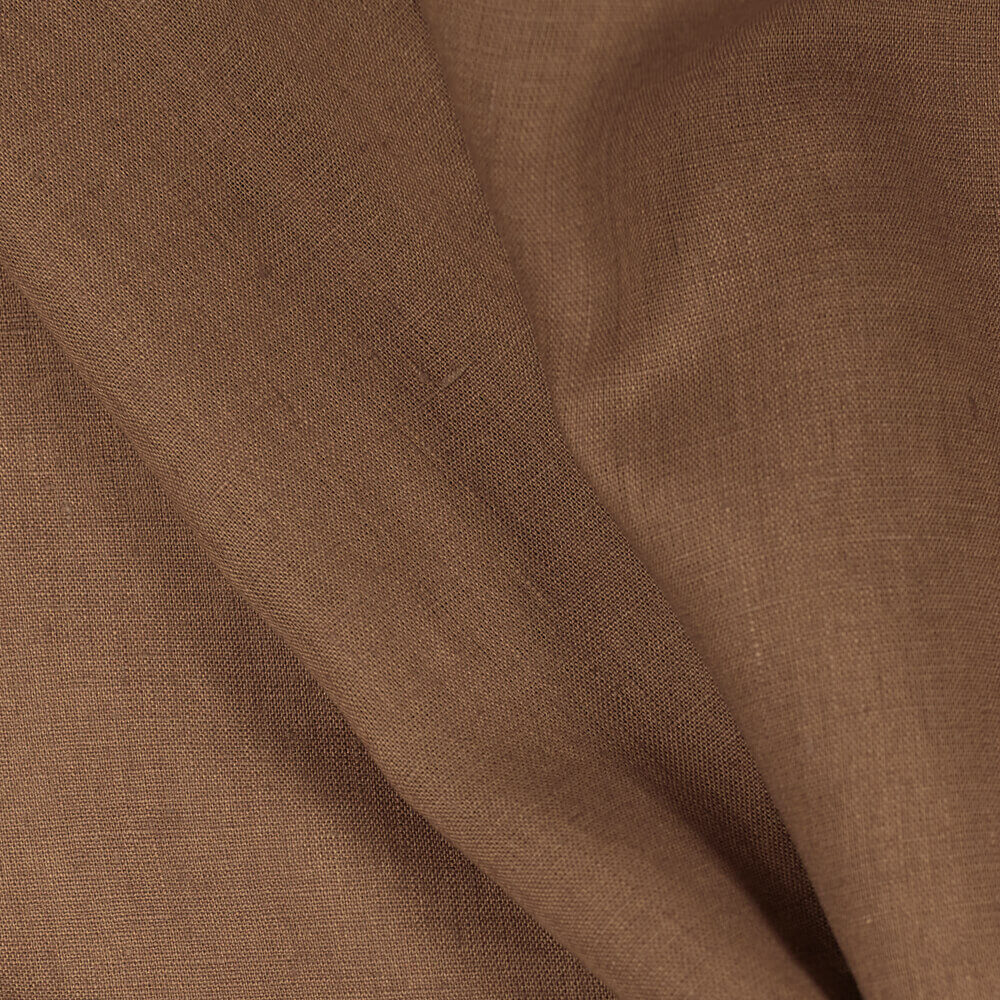
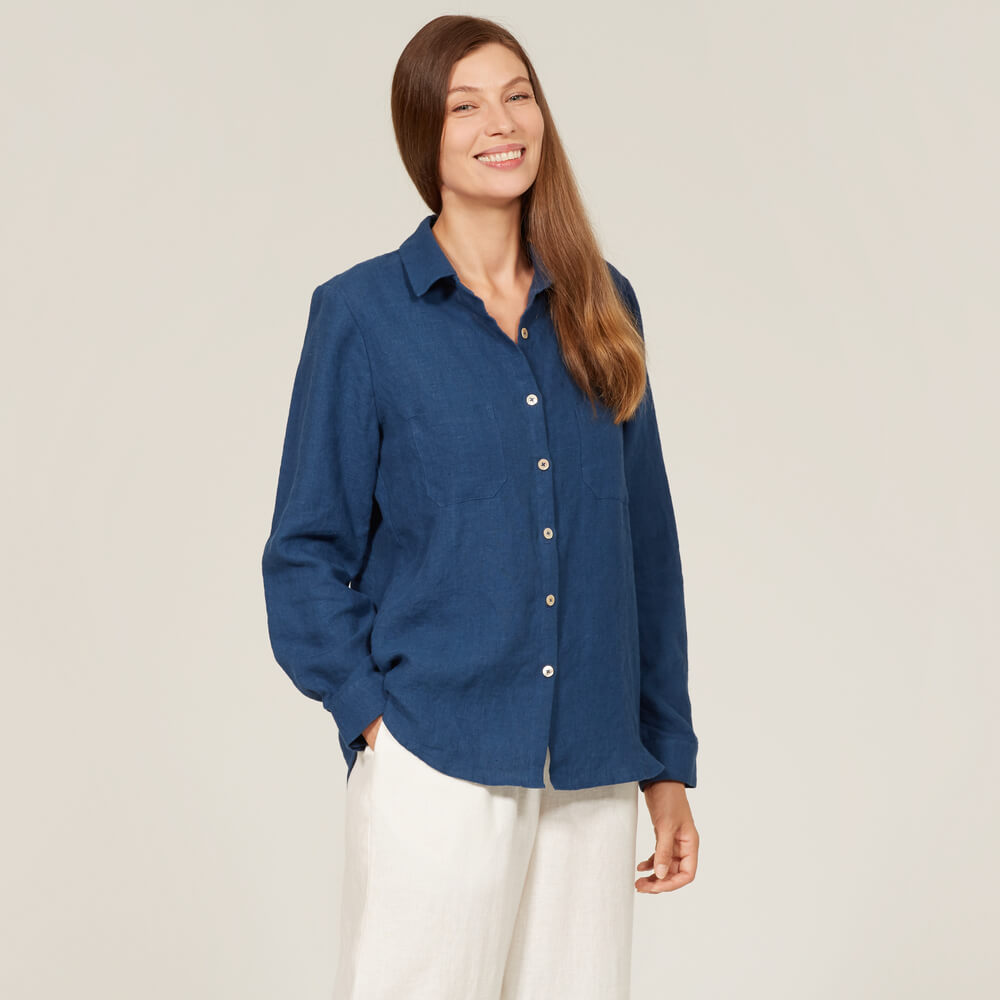
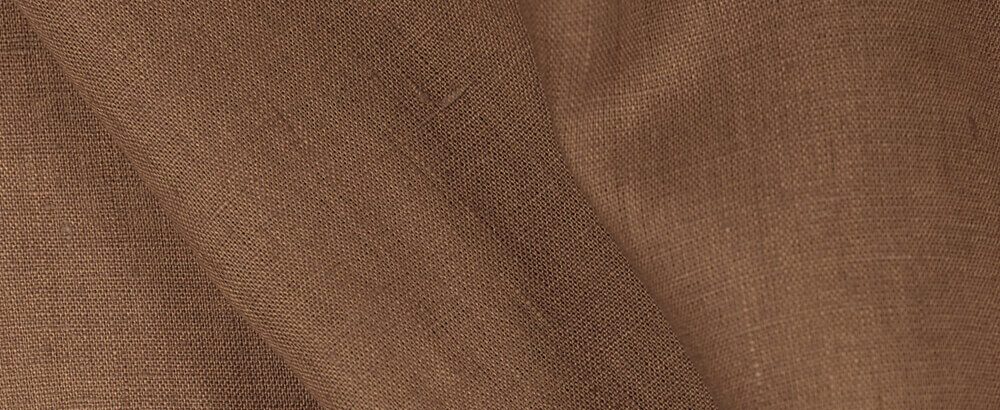
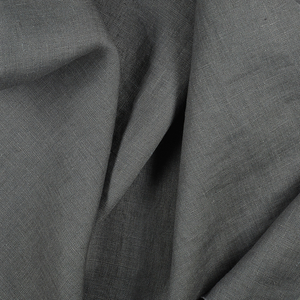
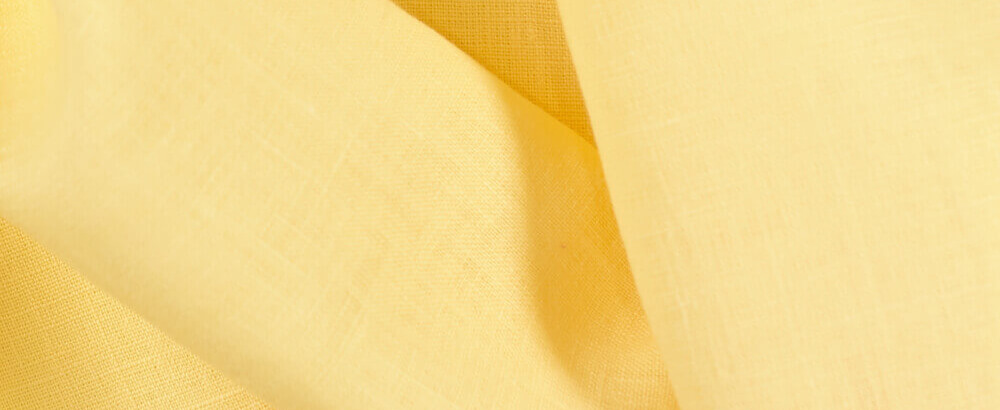
FS Shiitake Signature Finish Medium linen
Born in St Andrews, Fife, in 1912, Barns-Graham attended Edinburgh College of Art during the 1930s. On the advice of Hubert Wellington, Principal of the college, she relocated to St Ives in Cornwall in 1940, and she would maintain a base here for the rest of her career. While living here she befriended like minded artists including Ben Nicholson and Bernard Leach, with whom she shared a deep connection to the landscape.
 Over time, Barns-Graham developed a distinctive abstract vocabulary, using elements of line, texture, and subtle, shifting colour, to convey the emotional frequencies she experienced within the natural world. A pivotal moment in her career came in the late 1940s when she visited the Grindelwald Glacier in Switzerland, and her fascination with the glacier’s crude, jagged, and faceted forms became a recurring theme for decades to come.
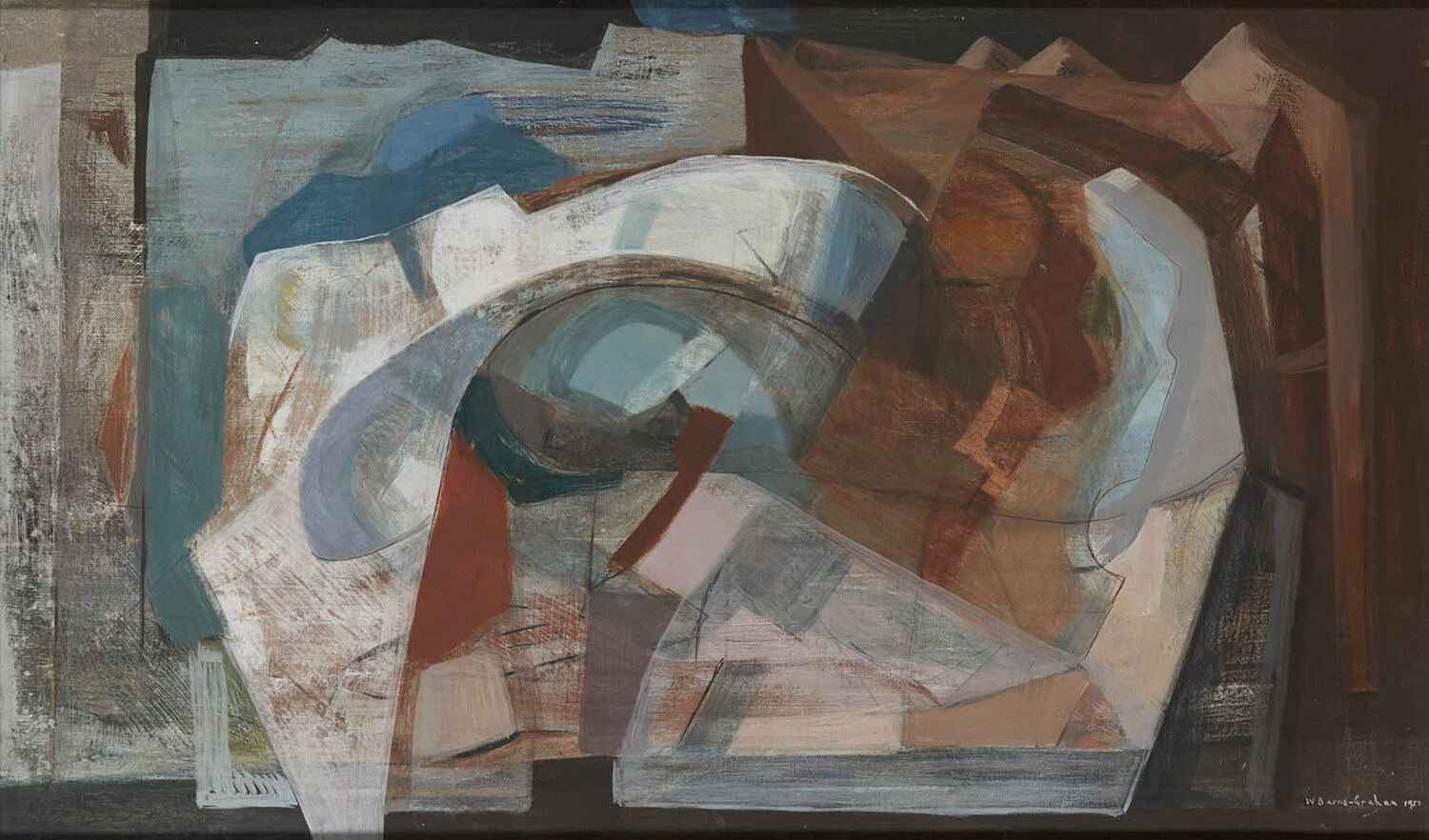
Ice Cavern, 1951 is one such work, an emotive response to the glacier made by the artist in her Cornish studio, which shows the icy, rocky form from a series of overlapping, collapsed angles. She took a Cubist approach to the concept of representation, showing the glacier, as she explained in a letter to Tate Gallery in 1965, “… from above, through, and all around, as a bird flies, a total experience.” Faceted, abstracted forms resembling the jagged and uneven texture of rock rendered in an array of earthy brown hues overlap one another on the right, building up intense layers of atmospheric depth and space, and forming a sharp contrast with passages of crisp white and icy blue.
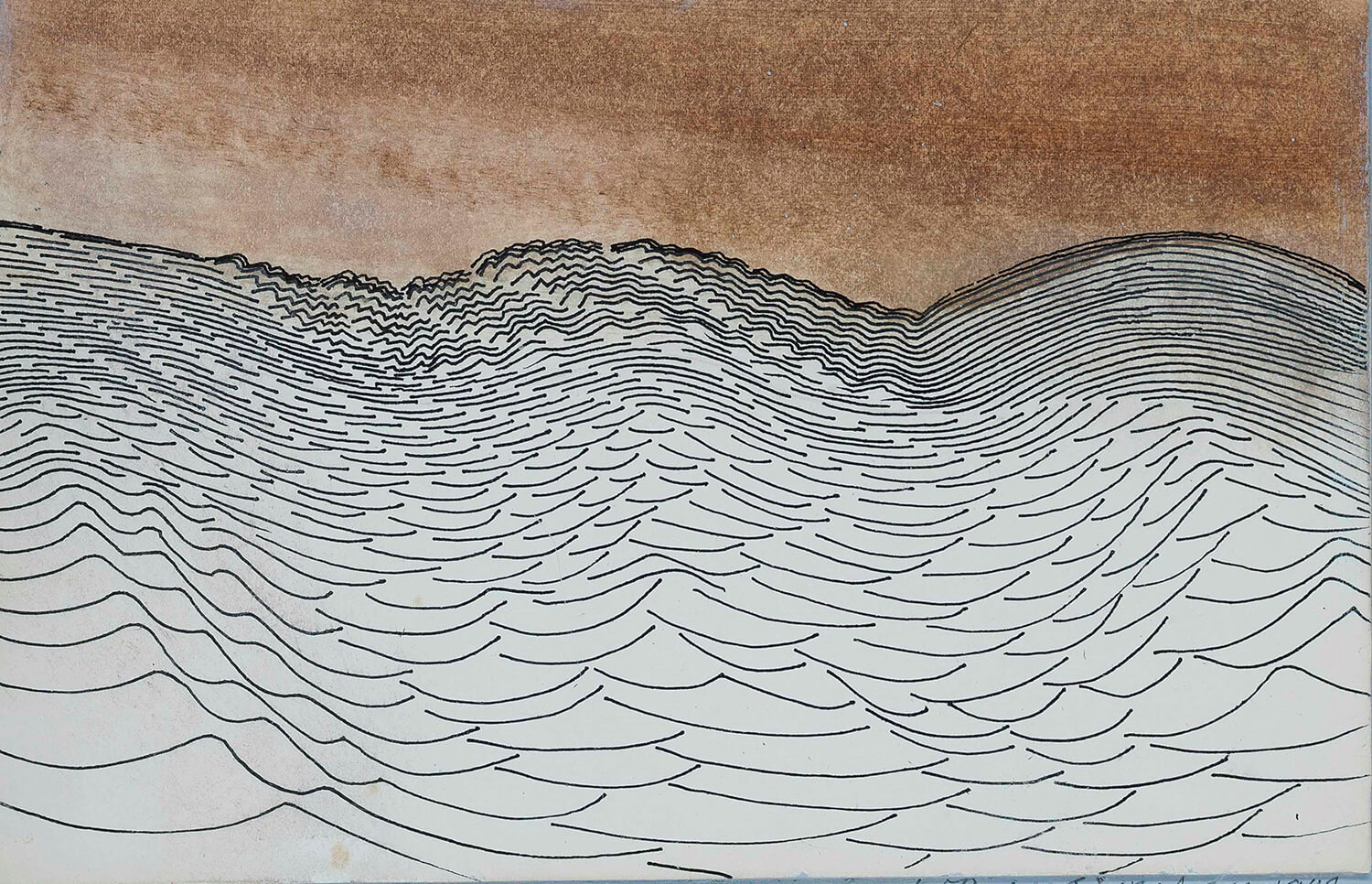
Linear Movement, 1982. Source: Christie’s
Ever the innovator, Barns-Graham continued to experiment with stylistic techniques, gradually evolving into a more linear, pared back and increasingly abstract style. Made many years later, the strikingly simple Linear Movement, 1982 is one of a series of line drawings exploring repetitive, undulating lines and minimal passages of colour, which she called her “small energy drawings”. Barns-Graham wrote about the series in a letter to a friend in 1981, “These rhythms suggest flowing forms, water, grass and wind movements, or lines for the pleasure of themselves.” This work plays with how the gradual dissipation of lines from the horizon into the water below conveys the rippling texture of water, forming peaks and ridges in a hypnotic, swaying pattern. Overhead, the sky is streaked from left to right in a soft, muted mushroom brown, darkening to the right to suggest the threat of an incoming storm.
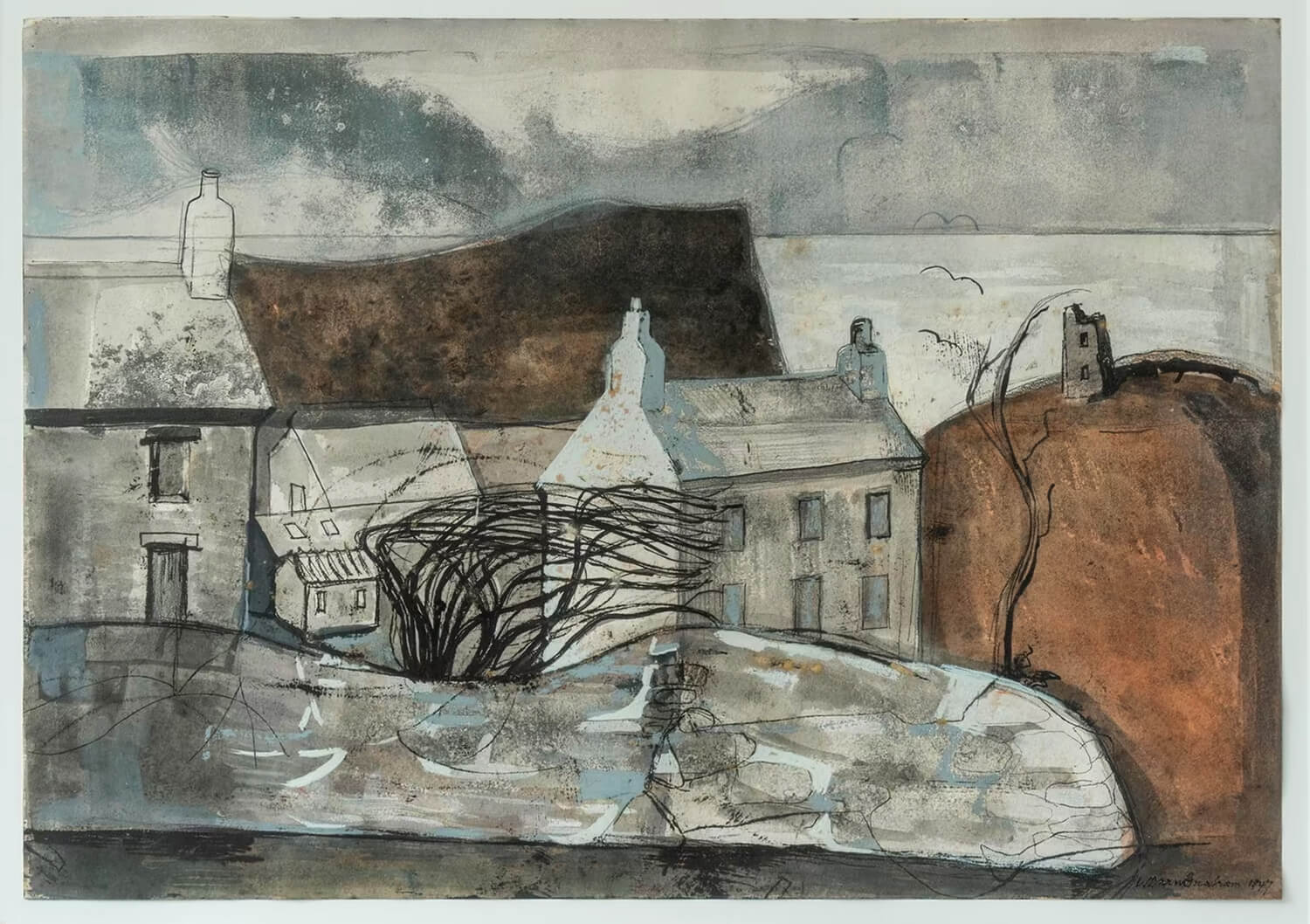
Gurnard’s Head No. 2, 1947
Made just two years later, Migration, 1984 showcases another stylistic shift. This work is one of a series of works made late in the artist’s career, which explore repetitious circles, stacked over one another to form rhythmic patterns suggesting energised, animated movement. In this work, a warm, bronze brown forms the suggestion of muddy ground across the image’s lower half, while on its surface, translucent white circles form a dense and richly layered network that breaks apart here and there, an abstracted indication of nature’s elemental forces, with the most minimal of means.

Related posts

FS Colour Series: Mellow Yellow Inspired by Agnes Martin’s Golden Glow
The great American minimalist painter Agnes Martin made her name with epic canvases washed with ghostly, trembling bands of pale pastel colour that speak of memory, love, and her intimate experiences in nature. Pale golden shades of yellow like Mellow Yellow made their way into her striped bands of shimmering colour, invoking the golden glow…

FS Colour Series: Coffee Bean Linen Inspired by Edvard Munch’s Deep Shadows
The early 20th century Norwegian Expressionist painter Edvard Munch saw art as a tool for expressing his innermost thoughts, feelings and desires, and the colours he worked with were a vital tool for expressing these intimate moments from his life. Deep shades of brown like Coffee Bean often played a key role, forming dark tree…
FS Colour Series: Tea Rose Inspired by Henri Matisse’s Indulgent Interiors
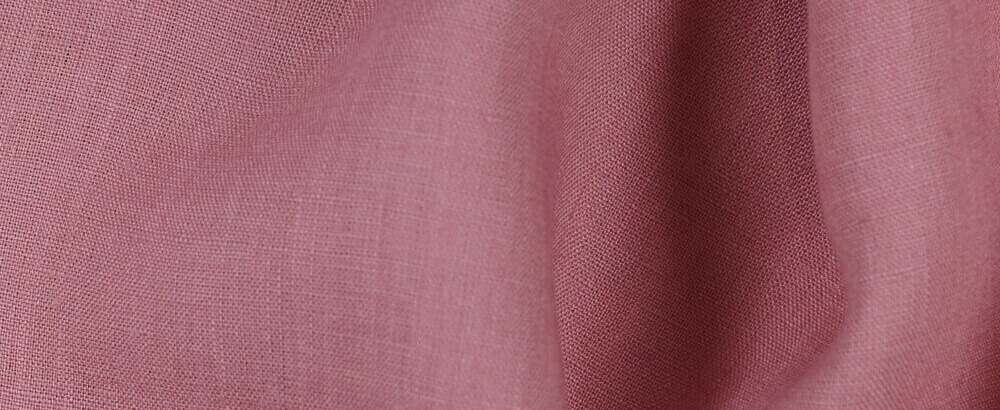
Interior views were one of Henri Matisse’s most enduring subjects throughout his career, a theme which allowed him to indulge in his great passion for decorative patterns, surfaces, textures, and colours. Tea Rose’s hot pink was one of the shades he returned to again and again, colouring anything from heavy curtains to lush carpets and…
FS Colour Series: Dusty Rose Inspired by Pierre Bonnard’s Mauve Haze
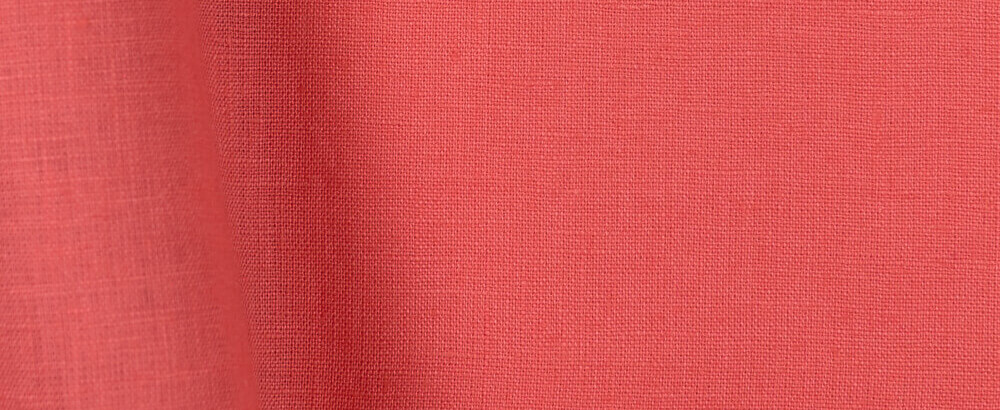
Dusty Rose Linen’s muted, pink hue was an enduring feature in Pierre Bonnard’s shimmering, intimiste paintings, conveying sunlight spreading across morning terraces, breezing through curtains, or flooding across tabletops through open windows. He had an uncanny ability to breathe wonder into life’s most ordinary moments – from intimate bathing scenes to eating breakfast in the…
FS Colour Series: Cherry Inspired by André Derain’s Dazzling Crimson
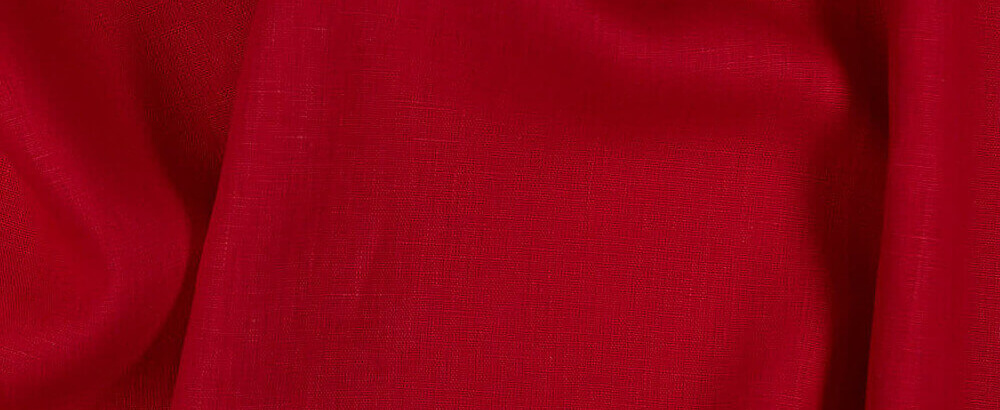
French Fauvist painter André Derain was a true pioneer in early 20th century painting, paving the way for abstraction with his dazzling, experimental use of colour. Vibrant, electrifying shades of crimson like Cherry appeared in many of his most celebrated, early career paintings, transforming the French landscape into fiery fields of electrifying light. He said,…








SEW THIS LOOK



Latest Posts



Leave a comment